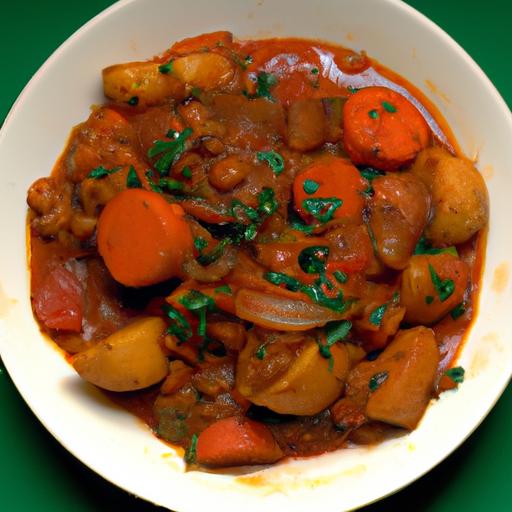

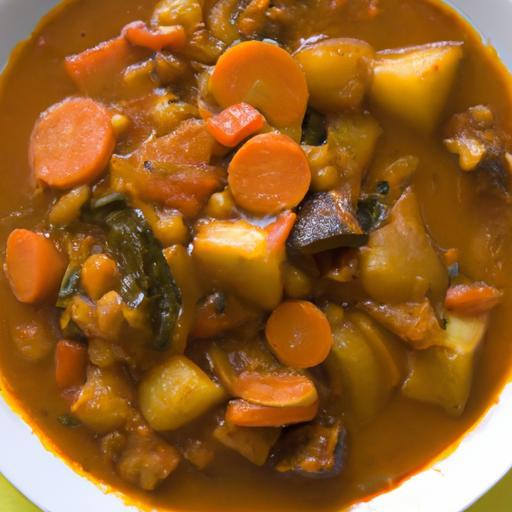
There’s a story simmering in every pot of West African stew-a rich tapestry of history, culture, and vibrant flavors that have been passed down through generations. From the fragrant spices to the hearty ingredients,West African stew is more than just a dish; it’s a culinary journey that invites us to explore the heart and soul of a region known for its warmth and diversity. In this article, we’ll dive into the origins, the recipes, and the cultural meaning of these beloved stews, uncovering the secrets that make each bite a celebration of tradition and taste. Prepare your senses for a flavorful adventure through West Africa’s most cherished comfort food.
Origins and Cultural Significance of West African stew
West African stew embodies the heart and soul of a vibrant region where culinary traditions are deeply woven into everyday life. Hailing from countries like Nigeria, Ghana, Senegal, and Ivory Coast, this stew represents more than just a meal – it’s a rich tapestry of family stories, communal gatherings, and festive celebrations. Often simmered slowly over open flames, it brings together bold, earthy flavors that celebrate local ingredients like smoked fish, palm oil, and a complex blend of spices. Growing up immersed in the aroma of these stews, many West Africans remember their grandmothers stirring pots while sharing tales, teaching the art of balance between heat and heart. This stew is a symbol of hospitality and resilience, connecting generations and cultures through a shared love for soulful, comforting food.
Essential Ingredients That Define Authentic Flavors
The secret to mastering the authentic taste of West African stew lies in carefully selected ingredients that create its signature depth and warmth. Palm oil lends an unmistakable rich, nutty aroma and vibrant red hue, while scotch bonnet peppers add spirited heat without overpowering the dish. Tomatoes and onions are foundational, creating a savory base, complimented by smoked, dried, or fresh proteins like goat, fish, or chicken. Aromatic additions like ginger, garlic, and fresh herbs weave subtle complexity. Certain recipes incorporate unique elements such as fermented locust beans (iru) or ground peanuts to introduce umami and texture, anchoring the dish in its cultural roots while layering flavors in a way that feels both rustic and refined.
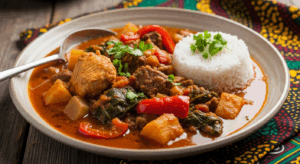
Prep and Cook time
- Planning: 20 minutes
- Cooking: 1 hour 15 minutes
- Total Time: 1 hour 35 minutes
Yield
Serves 6 hearty portions
Difficulty Level
Medium – perfect for home cooks ready to explore bold flavors
Ingredients
- 3 tbsp red palm oil
- 1 large onion, finely chopped
- 4 cloves garlic, minced
- 2-inch piece fresh ginger, grated
- 3 medium fresh tomatoes, chopped (or 1 can crushed tomatoes, 400g)
- 1 red bell pepper, deseeded and chopped
- 2 scotch bonnet peppers, finely chopped (adjust to taste)
- 1 tsp smoked paprika
- 1 tsp ground coriander
- 1 tsp ground cumin
- 500g chicken thighs or goat meat, cut into bite-sized pieces
- 2 cups chicken broth or water
- Salt and freshly ground black pepper to taste
- Handful fresh parsley or cilantro, chopped
- Optional: 2 tbsp fermented locust beans (iru)
Step-by-Step Guide to Crafting the Perfect West African Stew
- Heat palm oil: In a large heavy-bottomed pot, warm the red palm oil over medium heat until it turns translucent and slightly shimmering. This step unlocks its deep flavor.
- Sauté aromatics: Add the chopped onion,stirring often until soft and golden,about 7 minutes. Incorporate garlic and ginger, cooking until fragrant, about 2 more minutes.
- Build the base: Stir in chopped tomatoes, red bell pepper, and scotch bonnet peppers. cook the mix gently until the tomatoes break down and the sauce thickens, about 10 minutes. Stir occasionally to prevent sticking.
- Season the stew: Add smoked paprika, coriander, and cumin. if using, fold in fermented locust beans for a savory punch. Stir well to combine flavors.
- Simmer the protein: Add chicken or goat meat pieces, browning slightly for 5 minutes. Pour in chicken broth or water, bring to a boil, then reduce to a gentle simmer.
- Slow-cook: cover the pot and let it simmer for 45-60 minutes, stirring occasionally, until meat is tender and flavors meld beautifully. Adjust seasoning with salt and pepper.
- Finish and garnish: just before serving, stir in fresh parsley or cilantro for a vibrant aroma and a fresh burst of flavor.
Chef’s Notes & Tips for Success
- Protein variations: Substitute with fish or beef depending on preference and availability.Dried fish adds smoky depth but rinse well before use.
- Heat level: For milder stew, reduce or omit scotch bonnet peppers. Add chili powder gradually for customized spice intensity.
- Make ahead: Stew flavors develop beautifully overnight; refrigerate and gently reheat before serving.
- Thickening tip: If stew is too thin, simmer uncovered for extra 10-15 minutes or mash a few cooked chunks for texture.
- Palm oil substitute: If unavailable, use high-quality vegetable oil combined with smoked paprika, but avoid compromising the authentic taste.
Serving Suggestions and Pairing Tips for a Complete experience
West African stew shines brightest when paired with complementary starches that soak up its rich sauce. Serve alongside fluffy jollof rice, fufu (pounded yam or cassava), or plain steamed rice. For a rustic appeal, sides like fried plantains or boiled yams offer subtle sweetness that balances the spicy stew.
Garnish with fresh herbs, a squeeze of lime, or a dollop of cooling plain yogurt for contrast. Accompany the dish with a crisp green salad or sautéed greens such as collard greens for brightness and texture diversity.

Nutritional Details
| Nutrient | Per Serving (Approx.) |
|---|---|
| Calories | 350 kcal |
| Protein | 28 g |
| Carbohydrates | 10 g |
| fat | 22 g |
Discover more soulful African recipes in our African Cuisine Explored series. For an in-depth look at palm oil’s history and health, visit Britannica’s palm oil guide.
Q&A
Q&A: West African Stew – A Flavorful Journey Through Tradition
Q1: What makes West African stew unique compared to other stews around the world?
A: West African stew is a vibrant tapestry of bold flavors, rich textures, and aromatic spices that reflect the diverse cultures of the region.Unlike some stews that rely heavily on heavy creams or broths, West African stews often burst with the earthy essence of tomatoes, peppers, onions, and an array of indigenous spices like ginger, garlic, and Scotch bonnet peppers. The combination creates a thrilling balance of heat, sweetness, and umami that tells stories of the land and its people.
Q2: wich ingredients are essential in a traditional West African stew?
A: At the heart of many West African stews are staple ingredients such as tomatoes, onions, garlic, and chili peppers-notably the fiery Scotch bonnet, renowned for its distinctive heat and flavor. Palm oil often lends a deep,nutty richness and signature reddish hue.Proteins vary widely, from tender chunks of beef, goat, or chicken to fish and shrimp, while vegetables like okra, eggplant, and leafy greens frequently add layers of texture and color.
Q3: Is West African stew the same throughout the region, or does it vary by country?
A: West African stew is a celebration of regional diversity! While the core concept of a slow-cooked, flavorful sauce remains, each country-and even each family-adds its unique twist. Nigerian egusi stew, Ghanaian groundnut stew, Senegalese yassa, and sierra Leonean tomato stew all differ in choice of spices, thickeners, and cooking methods.These variations embody local tastes, available ingredients, and cultural heritage, making West African stew a culinary mosaic.
Q4: How is West African stew traditionally served?
A: This stew is best enjoyed alongside staple sides that help balance its robust flavors. In much of West Africa, it accompanies fufu (a doughy mixture made from cassava, yam, or plantains), rice, or couscous. These starchy companions soak up the deeply flavored sauce,turning each bite into a comforting embrace. Sharing a communal bowl also mirrors the region’s strong cultural emphasis on togetherness and hospitality.
Q5: Can West African stew be adapted for modern or international kitchens?
A: Absolutely! While authentic ingredients bring the most genuine experience, many West African stews can be adapted with locally available produce and spices without losing their soul. Substitute Scotch bonnet peppers with habaneros or other hot chilies,palm oil can be swapped with red palm paste or even a combination of vegetable oil and paprika for color,and protein choices are flexible. The stew’s adaptable nature invites cooks worldwide to explore and celebrate the tradition in new ways.
Q6: Why is West African stew considered more than just a dish?
A: West African stew is a living narrative-each pot simmering with history, culture, and community. It’s a comfort food that has fed generations, a symbol of resilience and celebration, and a reflection of the region’s agricultural bounty.Sharing this stew is an act of connection, storytelling, and preservation-a delicious journey through tradition that nourishes both body and soul.
To Wrap It Up
As the rich aromas of spices and simmering ingredients fade into memory, the story of West African stew lingers-an enduring testament to the region’s vibrant culture and culinary artistry. each spoonful tells a tale woven from centuries of tradition, community, and creativity, inviting us not just to taste but to experience a flavorful journey that transcends borders. Whether savored at a bustling market or recreated in your own kitchen, West African stew remains a delicious bridge connecting past and present, reminding us that food, above all, is a shared celebration of heritage and heart.