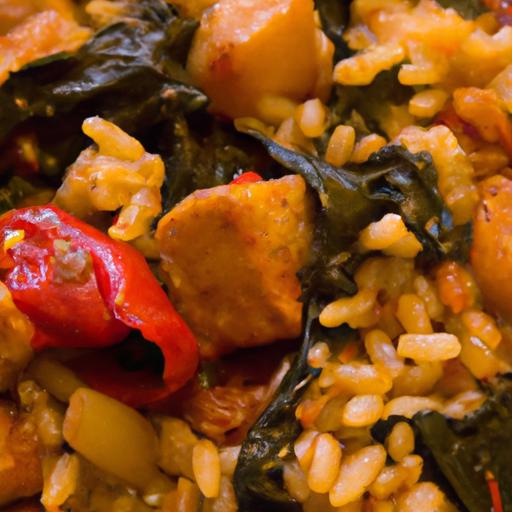

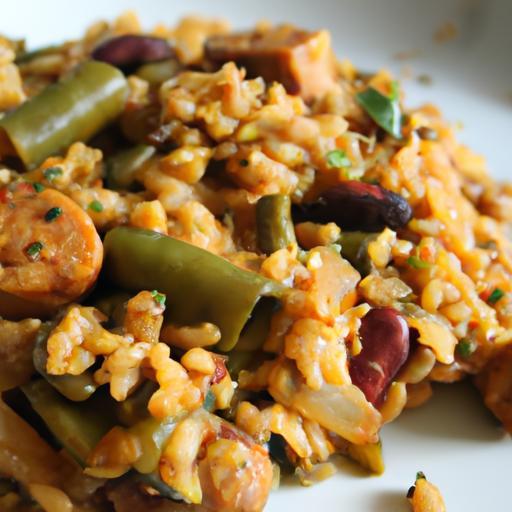
In the heart of Louisiana’s rich culinary tradition lies jambalaya-a vibrant, hearty dish brimming with bold spices, tender meats, and a harmony of flavors that dance on the palate. But what if you could capture all of that soulful essence without a single bite of animal products? Enter vegan jambalaya: a flavorful twist on a Cajun classic that honors its roots while embracing plant-based innovation. This dish reinvents jambalaya’s signature blend of smoky,spicy,and savory notes using wholesome vegetables,protein-rich legumes,and fragrant herbs,proving that comfort food can be both compassionate and irresistibly appetizing. Join us as we explore how to create a vegan jambalaya that celebrates tradition, creativity, and the vibrant spirit of Cajun cooking-one spoonful at a time.
Vegan jambalaya brings the soulful spirit of Cajun cuisine to your kitchen with bold, aromatic flavors and hearty, plant-based ingredients. This dish is a celebration of tradition and innovation-a comforting, vibrant one-pot meal that honors the roots of southern Louisiana while embracing contemporary dietary choices. From my first taste of jambalaya swirling with smoky spices along the bayou to reimagining it with fresh vegetables, smoky smoked paprika, and protein-packed legumes, this recipe captures the essence of a beloved classic without compromising on flavor or authenticity.
Prep and Cook Time
- Preparation: 15 minutes
- Cooking: 45 minutes
- Total: 1 hour
Yield
Serves 6 hearty portions
Difficulty Level
Medium – Ideal for cooks ready to explore spices and layering flavors
Ingredients
- 1 cup long-grain brown rice, rinsed
- 2 tablespoons olive oil
- 1 medium yellow onion, finely diced
- 1 green bell pepper, diced
- 2 celery stalks, diced
- 4 garlic cloves, minced
- 1 can (14 oz) diced tomatoes, with juices
- 1 cup vegetable broth
- 1 cup water
- 1 can (15 oz) kidney beans, drained and rinsed
- 1 cup smoked tofu, cubed (or tempeh for extra texture)
- 2 teaspoons smoked paprika
- 1 teaspoon dried thyme
- 1 teaspoon dried oregano
- 1 teaspoon cayenne pepper (adjust to heat preference)
- 1 teaspoon ground black pepper
- 1 teaspoon kosher salt (or to taste)
- 2 bay leaves
- 3 green onions, sliced for garnish
- Fresh parsley, chopped for garnish
Instructions
- Heat olive oil in a large, heavy-bottomed skillet or Dutch oven over medium heat.Add the onion, green bell pepper, and celery. Sauté until softened and fragrant, about 7 minutes, stirring occasionally.
- Add the garlic and cook for 1 minute more, being careful not to burn it.
- Stir in the smoked paprika, thyme, oregano, cayenne, black pepper, and salt. Toast the spices 30 seconds to bloom their flavors fully.
- Add the diced tomatoes along with their juices, stirring to combine and deglaze the pan.
- Into the pot,add the brown rice,vegetable broth,water,bay leaves,kidney beans,and smoked tofu. Give everything a gentle stir to combine.
- Bring the mixture to a boil, then reduce heat to low. Cover and simmer for 40 minutes, or until rice is tender and liquid is absorbed. Stir occasionally, scraping the bottom gently to prevent sticking.
- Remove from heat and discard the bay leaves.Let jambalaya rest, covered, for 5 minutes to allow steam to finish cooking the rice.
- Fluff the rice gently with a fork and adjust seasoning if necessary. Serve hot, garnished with sliced green onions and fresh parsley for a bright, fresh contrast.
Tips for Success
- Rice Selection: Brown rice adds nuttiness and fiber, but white or Cajun-style rice blends work well if you prefer quicker cooking.
- Smoky Depth: Smoked paprika and smoked tofu provide a satisfying smoky backbone. Feel free to add a few drops of liquid smoke for extra dimension.
- Customization: For added texture, toss in chopped mushrooms, diced zucchini, or okra during the sauté step.
- Heat Level: Adjust cayenne pepper to taste, or substitute with hot sauce to layer spicy heat as desired.
- Make-Ahead: jambalaya flavors intensify when refrigerated overnight. Reheat gently with a splash of vegetable broth to maintain moistness.
Serving Suggestions
This vegan jambalaya shines when served as a main course with a crisp, tangy side salad featuring citrus vinaigrette or pickled vegetables to cut the richness. A wedge of crusty sourdough bread or warm corn tortillas complement the dish beautifully.Garnish generously with fresh herbs for color and brightness.
| Nutrient | Per Serving |
|---|---|
| Calories | 320 kcal |
| protein | 18 g |
| Carbohydrates | 45 g |
| Fat | 7 g |
| Fiber | 8 g |
discover other flavorful recipes that bring a vegan twist to classic dishes. For a deeper dive into the nutritional benefits of plant-based spices and herbs, visit National Center for Complementary and Integrative Health.

Q&A
Q&A: Vegan Jambalaya - A Flavorful Twist on a Cajun Classic
Q1: What is jambalaya, and why is it significant in Cajun cuisine?
A: jambalaya is a hearty, one-pot dish originating from Louisiana’s rich Cajun and Creole culinary traditions. It combines rice with a mix of flavorful ingredients like vegetables, spices, and usually meat or seafood. This dish embodies the vibrant, rustic spirit of Cajun cooking-a celebration of bold flavors, community, and comfort food.
Q2: How does vegan jambalaya differ from the traditional version?
A: Traditional jambalaya frequently enough features meats like sausage, chicken, or shrimp. Vegan jambalaya swaps these out for plant-based alternatives such as smoked tofu,tempeh,or hearty vegetables like mushrooms and eggplant. The essence remains: a smoky, spicy, and deeply satisfying meal, but entirely free from animal products.
Q3: What key ingredients give vegan jambalaya its authentic Cajun flavor?
A: The magic lies in the “holy trinity” of Cajun cooking: onions, bell peppers, and celery. Add to that smoked paprika, cayenne pepper, thyme, bay leaves, and garlic. Liquid smoke or smoked paprika can mimic the smoky richness traditionally imparted by meats. And don’t forget a good vegetable broth to tie everything together.
Q4: Can you describe the texture and flavor profile of vegan jambalaya?
A: Vegan jambalaya is a delightful medley of textures-from tender yet firm rice to the chewiness of tofu or mushrooms-balanced by the crunch of sautéed vegetables. Flavor-wise, it’s a dance of smoky, spicy, and savory notes with just the right amount of heat and a lingering earthiness that invites seconds.
Q5: Is vegan jambalaya suitable for meal prepping and freezing?
A: Absolutely! Like its traditional counterpart, vegan jambalaya holds up beautifully in the fridge and freezer. The flavors frequently enough deepen after a day or two, making it an excellent candidate for meal prepping. Just be sure to store it in airtight containers and add a splash of broth when reheating to keep the rice moist.
Q6: How can home cooks personalize their vegan jambalaya?
A: The beauty of jambalaya is its flexibility. Feel free to experiment with different vegetables such as zucchini,okra,or carrots,or switch out tofu for tempeh or seitan. Spice levels can be adjusted to your heat tolerance-add more cayenne or hot sauce for a fiery kick, or keep it mild with smoked paprika and herbs. Garnish with fresh parsley or green onions for a fresh finish!
Q7: Where can someone find recipes or inspiration to make vegan jambalaya?
A: countless vegan chefs and food bloggers have crafted their own versions online-from simple weeknight meals to gourmet renditions. Cookbooks specializing in vegan Southern cuisine also offer authentic takes. Don’t forget to explore video tutorials for step-by-step guidance and tips on achieving that classic Cajun flavor punch.
Q8: Why consider making a vegan jambalaya?
A: Vegan jambalaya offers a compassionate, health-conscious twist on a beloved comfort food without sacrificing bold taste or regional authenticity. It’s a perfect dish for anyone looking to incorporate more plant-based meals into their diet while honoring the rich culinary heritage of Cajun cuisine. Plus, it’s incredibly satisfying and inviting-a true crowd-pleaser!
In Retrospect
Bringing the vibrant, smoky essence of jambalaya to the plant-based table, this vegan twist not only honors Cajun tradition but also opens the door to a world of compassionate cooking. Whether you’re a longtime vegan or simply curious about exploring new flavors, this recipe proves that bold spices and hearty ingredients can come together in perfect harmony-no meat required. So next time you crave that soulful, spicy comfort food, remember: jambalaya’s rich heritage is alive and well, ready to be savored in a fresh, flavorful, and wonderfully vegan form. Embrace the journey, stir the pot, and let every bite tell a story of culture, creativity, and conscious cuisine.