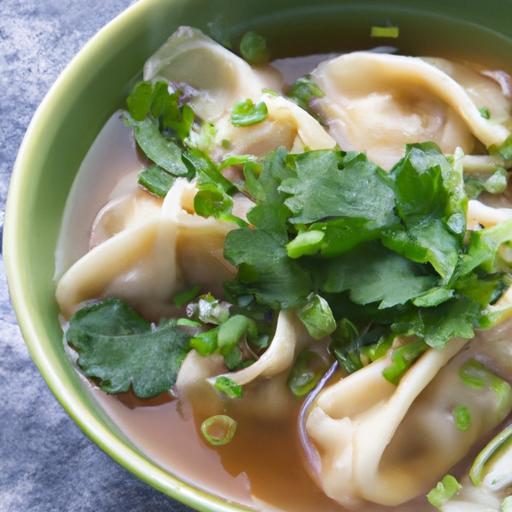

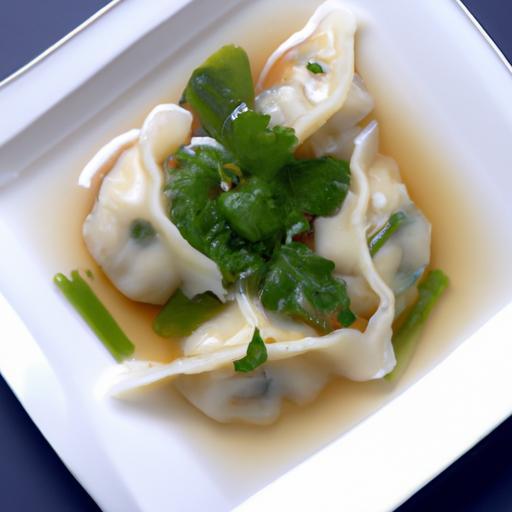
Beneath the delicate folds of a translucent wonton wrapper lies a world of rich history, comforting flavors, and culinary artistry-welcome to the captivating realm of traditional Chinese wonton soup. More than just a humble dish, wonton soup is a savory symphony that has been perfected over centuries, blending carefully chosen ingredients and time-honored techniques to create a bowl brimming with warmth and depth. In this article, we embark on a flavorful journey to unlock the savory secrets of this iconic soup, exploring its origins, ingredients, and the subtle nuances that make every sip and bite an unforgettable experience. Whether you’re a curious foodie or a seasoned enthusiast, prepare to dive into the heart of a beloved classic that continues to warm tables and hearts across the world.
Unlocking the savory secrets of traditional Chinese wonton soup begins with mastering the craft behind each delicate component-from the silky wonton wrappers to the rich, aromatic broth. The subtle interplay of texture and flavour creates a comforting bowl that transcends ordinary soups, inviting you to experience a timeless culinary heritage in every bite.
Prep and Cook Time
- Preparation: 45 minutes
- Cooking: 30 minutes
- Total Time: 1 hour 15 minutes
Yield
- 4 servings (approximately 20 wontons)
Difficulty Level
- Medium – Ideal for adventurous home cooks ready to embrace traditional techniques
Ingredients
- For the Wonton Wrappers:
- 2 cups all-purpose flour, sifted
- ¾ cup warm water (about 110°F / 43°C)
- ½ teaspoon salt
- 1 tablespoon cornstarch, for dusting
- For the Filling:
- 8 oz ground pork (or ground chicken/shrimp for variation)
- 2 green onions, finely chopped
- 1 tablespoon soy sauce
- 1 teaspoon sesame oil
- 1 tablespoon grated fresh ginger
- 1 teaspoon Shaoxing wine (optional)
- ½ teaspoon white pepper
- 1 teaspoon cornstarch
- Pinch of salt
- For the Broth:
- 6 cups chicken stock (preferably homemade or high-quality low sodium)
- 3 slices fresh ginger
- 2 cloves garlic, smashed
- 2 dried shiitake mushrooms, soaked and sliced
- 1 tablespoon light soy sauce
- 1 teaspoon oyster sauce
- Salt, to taste
- White pepper, to taste
- Garnishes & Additions: Chopped scallions, fresh cilantro, a drizzle of chili oil or sesame oil, and baby bok choy or spinach
Instructions
- Prepare the Wonton Dough: In a large mixing bowl, combine the sifted flour and salt. Gradually pour in the warm water while stirring with chopsticks or a fork until a shaggy dough forms.
- Knead the Dough: Transfer to a lightly floured surface and knead for 10 minutes until smooth and elastic. Cover with a damp towel and let rest for 30 minutes. this rest period allows the gluten to relax, making rolling easier.
- Roll Out the Wrappers: divide the dough into 2 portions for manageability.Using a rolling pin, roll each portion into a thin sheet (about 1 mm thickness). Dust lightly with cornstarch to prevent sticking.
- Cut Wrappers: use a sharp knife or a pasta cutter to cut into squares approximately 3×3 inches. Keep them covered with a damp towel to avoid drying out.
- Make the Filling: In a bowl, mix together ground pork, green onions, soy sauce, sesame oil, ginger, Shaoxing wine, white pepper, cornstarch, and salt until just combined. Be careful not to overmix to keep filling tender.
- Fill the Wontons: Place a teaspoon of filling in the center of each wrapper. Moisten edges with water, fold into a triangle, pressing edges firmly to seal. Bring two opposite corners together and pinch to form classic wonton shape.
- Prepare the Broth: In a large pot, bring chicken stock to a gentle simmer. Add ginger slices, garlic, sliced shiitake mushrooms, soy sauce, and oyster sauce.Let simmer for 20 minutes, skimming impurities as needed for a crystalline clear broth.
- Cook the Wontons: Gently drop wontons into the simmering broth. Cook for 4-5 minutes or until they float and the filling is cooked through.
- Final Seasoning: Taste broth and adjust salt and white pepper accordingly. Add baby bok choy or spinach during the last minute of cooking to soften.
- Serve: ladle wontons and broth into bowls. Garnish with chopped scallions, fresh cilantro, and a drizzle of chili oil or sesame oil for added depth.
tips for Success
- Wonton Wrapper Texture: achieving the perfect balance between tender and slightly chewy wrappers depends on the dough resting and rolling thinly but not tearing. If wrappers crack during folding, your dough may be too dry; add water sparingly.
- Filling Adaptability: Swap pork for finely chopped shrimp or chicken for fresh flavor twists. Incorporate crushed water chestnuts or shiitake for added texture.
- Broth Clarity: To keep the broth pristine, simmer gently without boiling and skim impurities often.
- Freeze Extras: Uncooked wontons freeze beautifully when placed on a parchment-lined tray; transfer frozen wontons into airtight bags for later enjoyment.
Serving Suggestions
Present your wonton soup in deep porcelain bowls for an authentic feel. Add vibrant garnishes like finely shredded scallions and a sprinkle of fresh cilantro leaves for herbaceous brightness. Complement the savory soup with sides such as steamed jasmine rice or crispy Chinese greens tossed in garlic oil. A light drizzle of chili oil brings a pleasant warmth if you crave a kick. For beverages, jasmine tea or a crisp Riesling pairs beautifully, balancing the umami flavors of the broth.

| Nutrient | Per Serving |
|---|---|
| Calories | 280 kcal |
| Protein | 18 g |
| Carbohydrates | 25 g |
| Fat | 9 g |
for an in-depth exploration of traditional Chinese broths and cooking methods, visit Serious Eats. Enhance your culinary knowledge and take your wonton soup mastery to the next level.
Discover more comforting asian recipes like Homemade Chicken Ramen to expand your savory repertoire.
Q&A
Q&A: Unlocking the Savory Secrets of Traditional Chinese wonton Soup
Q1: What makes traditional Chinese wonton soup so uniquely savory?
A1: At the heart of traditional Chinese wonton soup lies a harmonious balance of flavors crafted from simple, high-quality ingredients. The savory depth comes from slow-simmered broths, typically made with pork bones, dried shrimp, shiitake mushrooms, and a touch of ginger – all coaxing out umami richness. The wontons themselves, filled with tender minced pork and sometimes shrimp, add a meaty, juicy bite that perfectly complements the aromatic broth. It’s this marriage of delicate dumplings and soulful broth that defines its signature savoriness.
Q2: How does the wonton filling contribute to the overall flavor profile?
A2: The wonton filling is more than just a flavorful packet; it’s a concentrated essence of taste. Combining ground pork with finely chopped scallions, ginger, sesame oil, soy sauce, and sometimes shrimp, the filling bursts with aromatic and savory notes. When cooked, these fillings release their juices into the broth, subtly intensifying the soup’s depth without overpowering its gentle, comforting character.
Q3: Are there regional variations of wonton soup in China that affect its flavor?
A3: Absolutely! While Cantonese-style wonton soup is renowned for its clear, light broth emphasizing freshness and delicate seasoning, other regions add their own twists. In Sichuan,for example,you might find wonton soups with a spicy,numbing broth infused with chili oil and Sichuan peppercorns,offering a fiery kick. Meanwhile,in Shanghai,the broth can be slightly sweeter and richer,sometimes flavored with a hint of soy sauce or vinegar. These regional differences make wonton soup a versatile canvas of Chinese culinary artistry.
Q4: What are the key techniques that unlock the soup’s savory depth during preparation?
A4: Patience is the secret ingredient.A slow, gentle simmer allows the intricate flavors of broth ingredients to meld without becoming cloudy or overly strong. Parboiling the pork bones beforehand removes impurities, resulting in a crystal-clear base that still brims with flavor. for the wontons, careful folding ensures the filling stays succulent inside a thin, tender wrapper. seasoning towards the end preserves the broth’s delicate balance-every step is a mindful dance that unlocks the soup’s savory secrets.
Q5: Can wonton soup be adapted for modern dietary preferences without losing its savory essence?
A5: Definitely! Substitutions like ground chicken, turkey, or even finely chopped mushrooms can replace pork to create vegetarian or lighter versions. For the broth, vegetable stocks enhanced with seaweed and dried mushrooms replicate umami flavors beautifully. Additionally, using low-sodium soy sauce and fresh herbs can retain savory complexity while catering to contemporary health-conscious palates. The essence of wonton soup lies in the harmony of broth and filling, a principle that transcends specific ingredients and invites creative adaptations.
Q6: Why has traditional Chinese wonton soup remained a beloved comfort food for centuries?
A6: Its enduring appeal stems from a perfect blend of simplicity and sophistication. wonton soup delivers comforting warmth, satisfying textures, and deeply layered flavors that evoke both home and heritage.It’s a dish that engages the senses and evokes nostalgia, offering nourishment not just for the body but also for the soul. Through countless generations, this humble soup continues to invite people into a savory world rich with cultural history and culinary mastery.
In Conclusion
As we close the lid on this steaming bowl of tradition, it’s clear that Chinese wonton soup is much more than a simple comfort food-it’s a savory symphony of history, craftsmanship, and cultural expression. From the delicate folds of each wonton to the fragrant notes of the broth simmering with secret spices, every element invites us to savor not just a meal, but a story passed down through generations. Whether you’re a seasoned gourmand or a curious newcomer, unlocking the secrets of traditional wonton soup offers a appetizing journey into China’s rich culinary heritage-one spoonful at a time. so, the next time you find yourself craving warmth and flavor, remember that within that humble bowl lies a treasure trove of savory wonders waiting to be discovered.