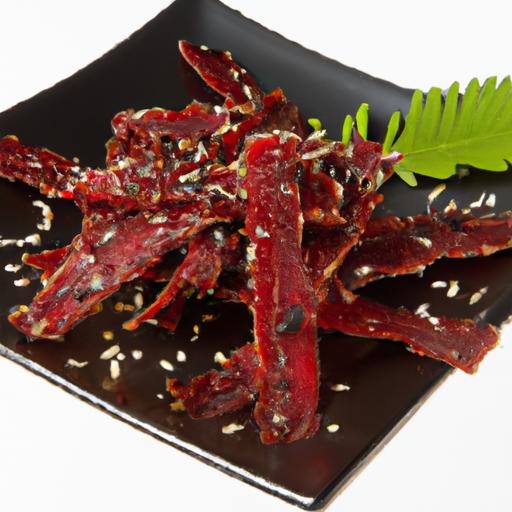

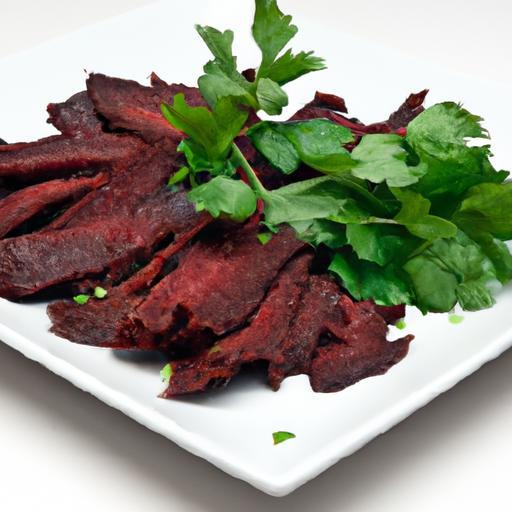
In a world of ever-changing culinary trends and fleeting food fads, few snacks have managed to carve out a timeless place in our hearts and on our shelves quite like classic beef jerky. This humble, savory treat is more than just dried meat-it’s a testament to the art of preservation, a tasty bridge between ancient traditions and modern palates. From its rugged origins as a practical sustenance for travelers and explorers to its evolution into a beloved snack enjoyed worldwide, beef jerky embodies a rich tapestry of history, flavour, and craftsmanship. Join us as we delve into the art of classic beef jerky, uncovering the secrets behind its enduring appeal and the meticulous process that transforms simple strips of beef into a bold and satisfying taste experience that stands the test of time.
Timeless Taste: Exploring the Art of Classic Beef Jerky is not just a culinary tradition; it’s a journey through centuries of preservation craft,flavor mastery,and texture perfection. Rooted in indigenous practices and perfected by generations of outdoorsmen and chefs alike, classic beef jerky captivates with its rich, smoky aroma and the satisfying chew of quality cuts infused with deeply marinated spices. Crafting this delicacy at home unlocks a world of sensory delight, allowing you to tailor texture and taste with precision.
Prep and Cook Time
Planning: 30 minutes (plus 12-24 hours marinating)
drying: 6-8 hours (depending on drying method and thickness)
Total Time: Approximately 18-32 hours
Yield
Makes about 2 pounds of classic beef jerky,perfect for sharing or stocking yoru trail cache.
Difficulty Level
Medium – Requires patience and attention to detail but is accessible to all home cooks.
Ingredients
- 2 pounds lean beef (top round, eye of round, or sirloin tip), thinly sliced
- 1/4 cup soy sauce (low sodium preferred)
- 2 tablespoons Worcestershire sauce
- 1 tablespoon brown sugar, packed
- 1 teaspoon smoked paprika
- 1 teaspoon garlic powder
- 1 teaspoon onion powder
- 1/2 teaspoon ground black pepper
- 1/2 teaspoon red pepper flakes (optional, for heat)
- 1 teaspoon kosher salt
- 1 tablespoon liquid smoke (hickory or mesquite for authentic aroma)
Instructions
- prepare the beef: trim all visible fat from the beef to avoid rancidity. Freeze the meat for about 1 hour to firm it up, making it easier to slice thinly against the grain (about 1/8 inch thick) using a sharp knife.
- Mix the marinade: In a large bowl, whisk together the soy sauce, Worcestershire sauce, brown sugar, smoked paprika, garlic powder, onion powder, black pepper, red pepper flakes, kosher salt, and liquid smoke.
- Marinate: Submerge the beef slices in the marinade, ensuring full coverage. Cover and refrigerate for at least 12 hours, preferably 24, to deeply infuse flavor and tenderize the meat.
- Drain and pat dry: Remove beef from marinade and place on paper towels. Pat each slice dry to remove excess moisture, crucial for even drying and a chewy but tender texture.
- Arrange slices on drying racks: lay the beef strips in a single layer on dehydrator trays or wire racks, ensuring pieces don’t overlap to allow optimal airflow.
- Dry the jerky: Dehydrate at 160°F (71°C) for 6-8 hours, flipping halfway if needed.If using an oven, set it to the lowest temperature with the door ajar to promote air circulation.The jerky is done when it bends and cracks but doesn’t snap in half.
- Cool and store: Let jerky cool fully, then store in airtight containers or vacuum-sealed bags. for extended freshness, refrigerate or freeze.
Chef’s Notes: tips for Success
- Cut selection: Choose lean muscles with minimal marbling for the best texture and longest shelf life.Avoid fatty cuts as fat can spoil quickly and affect flavor.
- Marinade variations: Swap soy sauce for tamari for gluten-free, or add honey and fresh ginger for a sweet-Asian twist. Experiment with smoked salts or chipotle powder for smoky warmth.
- Drying method: While dehydrators offer control, ovens or even conventional smokehouses create distinctive flavors and textures-just monitor closely to prevent overdrying.
- Storage: To maintain freshness and aroma, store jerky in small portions and consume within 1-2 weeks at room temperature or longer refrigerated.
- Make-ahead: This classic beef jerky improves with resting; allow it to sit for 24 hours post-drying to redistribute moisture for optimal chew.
Serving Suggestions
Classic beef jerky is strikingly versatile. Serve it as a protein-packed trail snack, sliced thinly atop a rustic charcuterie board alongside sharp cheeses and roasted nuts, or chopped finely in gourmet salads and savory grain bowls. garnish with a sprinkle of freshly cracked black pepper and a handful of microgreens for contrast. Pair with a robust craft beer or aged whiskey to amplify its smoky undertones.

| Nutrient | Per 1 oz (28g) Serving |
|---|---|
| Calories | 70 |
| Protein | 11g |
| Carbohydrates | 2g |
| Fat | 1.5g |
For more insights on meat curing and preservation, check out our Smoking and Curing Meats Guide. Learn the science behind authentic flavors with this USDA Food Safety Site.
Q&A
Q&A: Timeless Taste – Exploring the Art of Classic Beef Jerky
Q1: What makes beef jerky a timeless culinary delight?
A1: Beef jerky has transcended centuries because it masterfully combines preservation with flavor. Before refrigeration, drying meat was an ingenious way to extend its shelf life, turning simple cuts of beef into portable, protein-packed snacks. Its rich, smoky taste and chewy texture evoke traditions and tales from hunters and travelers alike, making it not just food, but a cultural artifact.
Q2: How has the art of making classic beef jerky evolved over time?
A2: While the basic technique of drying strips of meat remains unchanged, modern jerky crafting honors traditional methods while embracing innovation. Early jerky makers relied on sun, smoke, and salt as natural preservatives. Today, subtle marinades, precise curing times, and controlled dehydration processes refine the balance of flavor and texture – marrying old-world craft with contemporary culinary science.Q3: What role do spices and marinades play in shaping the flavor of classic beef jerky?
A3: Spices and marinades are the aromatic heartbeats of beef jerky’s identity. Classic recipes often feature simple blends-salt, black pepper, garlic, and sometimes a touch of sweetness-allowing the natural beefy richness to shine. The marination process infuses the meat with layers of flavor, soaking deep into every fiber to create that signature savory punch, while subtle smoke whispers amplify its complexity.
Q4: Can anyone try making their own beef jerky at home? What should they know?
A4: Absolutely! Making beef jerky at home is an adventurous journey into the art of food preservation. It requires selecting lean cuts, slicing meat uniformly, preparing flavorful marinades, and drying the strips at carefully monitored temperatures. Patience is key-it’s a slow dance of transforming raw protein into a chewy, flavorful treasure.Safety guidelines and hygiene must be honored to ensure a tasty and safe snack.
Q5: What cultural influences have shaped the tradition of beef jerky worldwide?
A5: From Native American tribes in North America to South African biltong, numerous cultures have embraced the concept of dried meat. Each infuses their local ingredients and techniques-like indigenous spices, wood smoke from native trees, or climatic drying conditions-creating diverse yet connected legacies. The global appreciation of beef jerky underscores a shared human ingenuity for crafting sustenance from simplicity.Q6: Why do classic beef jerky flavors continue to appeal to modern palates?
A6: Classic beef jerky appeals as it offers an authentic, no-nonsense flavor experience-a bold yet familiar taste that pairs nostalgia with nourishment. In a world brimming with artificial snacks, the robust, savory satisfaction of traditional jerky feels genuine and grounding. Its portability and high-protein content also cater perfectly to today’s on-the-go lifestyles, ensuring that this ancient snack remains perennially relevant.
Q7: How can one best enjoy classic beef jerky?
A7: Beef jerky shines brightest when savored simply-straight from the package as a hearty snack for the trail,an energy booster during busy days,or a companion to storytelling around a campfire. Pairing it with mild cheeses, crunchy nuts, or even a splash of craft beer can elevate the experience, but its timeless charm lies in its raw, unadulterated taste-a bite of history in every chew.
In Summary
As we wrap up our flavorful journey through the art of classic beef jerky, it becomes clear that this timeless treat is much more than just dried meat. It’s a testament to centuries of preservation craftsmanship, a harmonious blend of tradition and taste that continues to captivate palates around the world.whether enjoyed on a rugged trail or savored in the comfort of home, beef jerky remains a delicious reminder that sometimes, the simplest ingredients and time-honored techniques create the moast enduring flavors. So next time you reach for a savory bite, remember you’re partaking in an age-old culinary story-one that celebrates patience, skill, and the unforgettable essence of classic beef jerky.