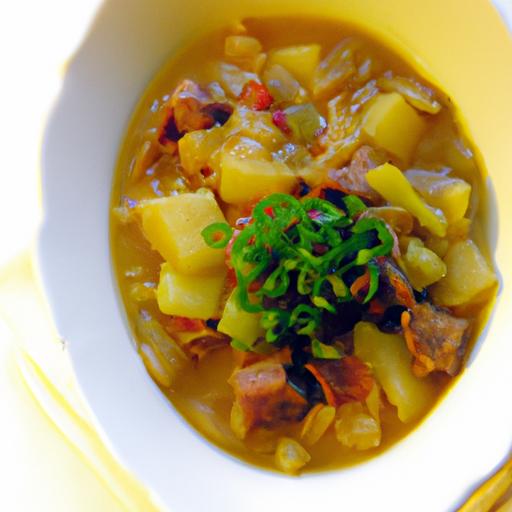

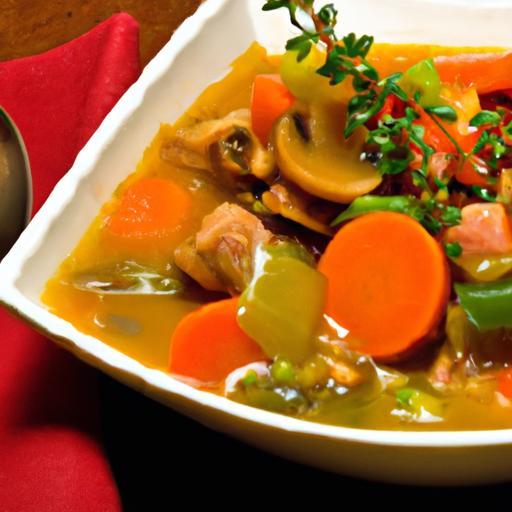
In kitchens across the world, some of the most cherished recipes are born not from luxury, but from necessity. Poor Man’s Stew, a humble dish steeped in history and heart, tells a story of resilience, resourcefulness, and community. This unpretentious stew, often made with simple, readily available ingredients, has warmed countless souls and filled countless bowls. Far from its modest name, Poor Man’s Stew is a festivity of flavor crafted from frugality – a culinary testament to how a few basic elements can come together to create something comforting, nourishing, and timeless. Join us as we delve into the origins, evolution, and enduring charm of this hearty staple that continues to bring people together, bite after satisfying bite.
Hearty and humble, Poor Man’s Stew has been a beacon of warmth and satisfaction through generations. Born from necessity,this dish celebrates the simple ingredients that once formed the backbone of survival during tough times. What makes this stew timeless isn’t just its comforting richness but its ability to transform modest staples-roots,beans,and scraps of meat-into a nourishing bowl of soul-soothing goodness. Whether you’re seeking to honor tradition or reinvent a classic, this recipe invites you to explore the beauty of humble cooking with heart and flavor.
Prep and Cook Time
- Preparation: 15 minutes
- Cooking: 1 hour 30 minutes
- Total Time: 1 hour 45 minutes
Yield
Serves 6 hearty portions
Difficulty Level
Easy to Medium – perfect for beginner cooks wanting a comforting challenge
Ingredients
- 1 lb lean beef stew meat, cut into 1-inch cubes
- 2 tbsp vegetable oil or rendered bacon fat
- 2 medium onions, finely chopped
- 3 cloves garlic, minced
- 4 cups beef broth or water
- 3 medium carrots, peeled and sliced on the diagonal
- 2 medium potatoes, peeled and diced
- 1 cup dried navy beans, soaked overnight and drained
- 2 bay leaves
- 1 tsp smoked paprika
- 1 tsp dried thyme
- Salt and freshly ground black pepper, to taste
- 1 tbsp tomato paste (optional, for depth and color)
- Fresh parsley for garnish
Instructions
- Brown the beef: Heat the vegetable oil or bacon fat in a heavy-bottomed pot over medium-high heat.Add the beef cubes in batches to avoid overcrowding. Sauté until golden brown on all sides, about 5-7 minutes. Remove and set aside.
- Sauté aromatics: Lower the heat to medium. In the same pot, add onions and garlic, stirring occasionally. Cook until translucent and fragrant, about 5 minutes. Stir in tomato paste if using, and cook for 1 minute more.
- Combine and simmer: Return the browned beef to the pot. Pour in the beef broth, scraping any browned bits off the bottom for flavor. Add soaked beans, bay leaves, smoked paprika, thyme, salt, and pepper.
- Cook low and slow: Bring to a gentle simmer. Cover and let it cook on low heat for 1 hour, stirring occasionally, until beans and beef are tender.
- Add root vegetables: Stir in carrots and potatoes. Continue simmering, uncovered, for another 30 minutes or until vegetables are soft but not mushy.
- Adjust seasoning: Taste and add more salt or pepper if needed. Discard bay leaves before serving.
Tips for Success
- Beans shortcut: If you’re short on time, canned beans can substitute soaked dried beans. Add them during the last 10 minutes of cooking to avoid over-softening.
- Meat variations: Pork shoulder or chicken thighs also work beautifully in this stew, delivering tender, flavorful bites.
- Make-ahead magic: This stew tastes even better the next day as flavors meld. Prepare in advance and gently reheat, adding a splash of broth if it thickens too much.
- Flavor boosters: Add a splash of Worcestershire sauce or a teaspoon of smoked chipotle powder to enhance smoky depth.
- Vegetable swaps: Turnips, parsnips, or celery root bring extra earthiness and texture.
Serving Suggestions
Serve steaming Poor Man’s Stew in rustic bowls, garnished with a sprinkle of fresh parsley and a grind of black pepper. Crusty homemade bread or buttery mashed potatoes are perfect partners for soaking up the rich broth. For an added touch of comfort, accompany with a dollop of crème fraîche or sharp cheddar cheese on the side. A glass of robust red wine or a dark ale pairs beautifully,embracing that hearty and humble spirit.

| Nutritional Data (per serving) | Amount |
|---|---|
| Calories | 350 kcal |
| Protein | 28 g |
| Carbohydrates | 30 g |
| Fat | 10 g |
For those eager to explore more hearty, conventional stews, check out our Classic Beef Stew Recipe. To deepen your knowledge of the historical roots of staple dishes, visit National Geographic’s culinary history article.
Q&A
Q&A: Hearty and Humble – The Story Behind Poor Man’s Stew
Q: What exactly is Poor Man’s Stew?
A: Poor Man’s Stew is a rustic, budget-kind dish traditionally made from simple, readily available ingredients-think hearty root vegetables, affordable cuts of meat, and sometimes grains or legumes-all simmered together to create a comforting, one-pot meal. It’s the culinary embodiment of frugality meeting flavor.
Q: Where did poor Man’s Stew originate?
A: Its origins trace back centuries and span across various cultures, but Poor Man’s Stew as we no it emerged primarily in rural European communities. Often created during tough economic times or harsh winters, it was a way to stretch limited resources into a nourishing meal for families.
Q: Why is it called “Poor Man’s” Stew?
A: The name reflects the dish’s humble beginnings. It was made by those with little money but plenty of ingenuity, turning cheap or leftover ingredients into something sustaining and flavorful. The “poor man” in the title isn’t just a nod to economic status but a tribute to resourcefulness and resilience.
Q: What ingredients are commonly used in Poor Man’s Stew?
A: Commonly, you’ll find inexpensive, seasonal vegetables like potatoes, carrots, onions, and cabbage. Meat,if included,is frequently enough tougher cuts like beef chuck or beef shank,slow-cooked until tender. Sometimes, beans or lentils take center stage for added protein and bulk.
Q: How did Poor Man’s Stew fit into daily life historically?
A: For families with limited means, this stew was a lifeline-easy to prepare in a single pot over the hearth or fire, requiring minimal utensils or complex techniques. It was also a way to use whatever scraps or surplus food was on hand, reducing waste and maximizing nutrition.
Q: Has Poor Man’s Stew evolved over time?
A: Absolutely. While the core idea remains-a slow-cooked, hearty meal-the ingredients and seasonings have diversified. Modern versions might incorporate exotic spices, alternative proteins, or even vegetarian twists. yet, the soul of the dish stays true to its humble roots.
Q: What cultural importance does Poor Man’s Stew hold?
A: More than just a recipe, it symbolizes community, survival, and togetherness. Sharing a bowl resonates with the shared hardships and celebrations of the past. It’s a reminder that great food doesn’t require luxury-just heart and creativity.
Q: Why should we still embrace Poor Man’s Stew today?
A: In an age of fast food and extravagant meals, Poor man’s Stew offers a grounding experience-a taste of history, simplicity, and comfort. It reminds us that meals built on modest means can nourish body and soul alike, making it a timeless dish worth savoring.
The way Forward
From its modest beginnings as a practical solution for stretching simple ingredients, Poor Man’s Stew has simmered its way into the hearts and kitchens of many. This humble dish, rich in history and flavor, reminds us that comfort doesn’t require extravagance-only a generous spirit, a bit of patience, and a dash of creativity. So, the next time you gather steam over a pot of this hearty stew, remember: you’re not just tasting a meal, but a story of resilience, resourcefulness, and timeless warmth passed down through generations.In the world of culinary treasures, sometimes the simplest recipes hold the deepest meaning.