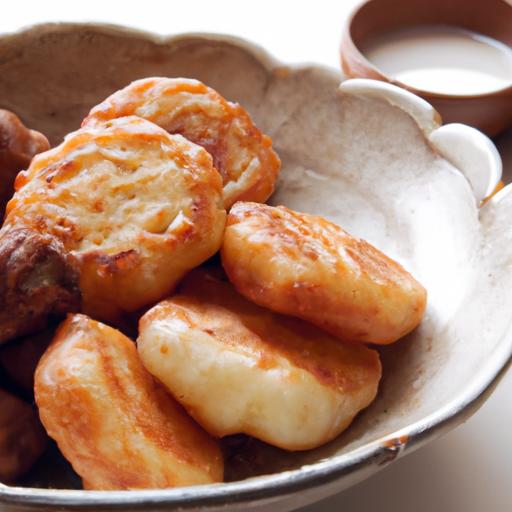


nestled in the bustling streets of Korea,amidst the winter chill and the lively chatter of night markets,lies a humble yet irresistible comfort food: Hotteok. Often described as korea’s cozy pancake treat, Hotteok combines warmth, sweetness, and a hint of nostalgia in every bite. This delightful snack, with its crispy exterior and molten sugary filling, has won the hearts of locals and visitors alike, serving as both a speedy street-side indulgence and a cherished symbol of Korean culinary tradition. In this article, we’ll unwrap the story behind Hotteok, explore its mouthwatering varieties, and uncover what makes this sweet delight a timeless favorite across generations.
Sweet Delights: Exploring Hotteok begins with the warm, inviting aroma of this beloved Korean street snack-an irresistible pancake with a sweet, chewy center that captures both tradition and comfort in every bite. Originating during Korea’s rapid modernization in the early 20th century, hotteok evolved from simple wheat pancakes into a cozy winter staple cherished across the country. This humble treat, often sold by street vendors sizzling batter on griddles, is emblematic of Korea’s food culture: a harmonious blend of texture, flavor, and community.
Prep and Cook time
- Readiness: 20 minutes (plus 1-2 hours rising time)
- Cooking time: 10-15 minutes per batch
Yield
makes approximately 8 large hotteok pancakes
Difficulty Level
Medium – requires patience for dough rising and careful frying technique
Ingredients
- 2 cups all-purpose flour, sifted
- 1 cup warm water (about 110°F/43°C)
- 2 tablespoons sugar
- 1 teaspoon active dry yeast
- 1/2 teaspoon salt
- 2 tablespoons vegetable oil (plus more for frying)
- Filling:
- 1/2 cup packed brown sugar
- 1/4 cup chopped walnuts or peanuts
- 1 teaspoon ground cinnamon
Instructions
- Activate the yeast: in a small bowl, dissolve 1 teaspoon sugar in warm water, sprinkle yeast on top, and let stand for 5-10 minutes until foamy.
- Make the dough: In a large mixing bowl, combine sifted flour, remaining sugar, and salt. Gradually pour in the yeast mixture and 2 tablespoons vegetable oil. Stir until a sticky dough forms.
- Knead the dough: Transfer to a lightly floured surface and knead for 8-10 minutes until smooth and elastic. Place the dough back in the bowl, cover with a damp cloth, and let rise in a warm spot until doubled in size (about 1-2 hours).
- Prepare the filling: Mix brown sugar,chopped nuts,and cinnamon in a small bowl. This filling will melt inside the warm pancake, creating a luscious, gooey center.
- Divide dough: Punch down dough and divide into 8 equal balls. Flatten each ball gently with your palm into a small circle.
- Fill and seal: Place 1 tablespoon of the sugar-nut filling in the center of the dough circle. Carefully fold edges over the filling, pinching to seal tightly and forming a smooth ball again. Gently flatten to about 1/2-inch thickness.
- Cook the hotteok: Heat a non-stick skillet over medium heat and add a thin layer of vegetable oil. place the filled dough seam-side down, frying each side for 2-3 minutes until golden brown and crispy, then gently press the pancake with a spatula to flatten slightly. Continue cooking, flipping as needed, until the sweet filling bubbles and the exterior is crisp yet chewy.
- Serve warm: Remove from skillet and transfer to a wire rack briefly to cool without sogginess. Enjoy promptly for best texture and flavor.
Tips for Success
- Choosing flour: Using all-purpose flour ensures a chewy yet tender texture; for a lighter bite, sift thoroughly to incorporate air.
- Yeast activation: Always check water temperature (ideally under 115°F) to avoid killing the yeast.
- Filling variations: Experiment with seeds like sunflower or pumpkin, add a pinch of salt to balance sweetness, or swap nuts for sweetened red bean paste for a customary twist.
- Frying technique: Maintain medium heat to prevent burning; hotteok cooks quickly and should be golden, not charred.
- Make-ahead: Dough can be refrigerated overnight-bring to room temperature before shaping and filling.
Serving Suggestions
Hotteok is best enjoyed fresh and warm, served on a rustic wooden board lined with parchment paper for that cozy street food vibe. Garnish with a sprinkle of toasted sesame seeds or a dusting of powdered sugar for extra charm.Pair with a steaming cup of Korean cinnamon punch (sujeonggwa) or your favorite tea to elevate the experience. For sharing, arrange small plates with dipping sauces like honey or a lightly spiced chili syrup for a playful flavor contrast.

| Nutrient | Per Serving (1 Hotteok) |
|---|---|
| Calories | 220 kcal |
| Protein | 4 g |
| Carbohydrates | 35 g |
| Fat | 6 g |
For those eager to deepen their Korean street food mastery, check out our complete Korean street food guide. To explore more about Korean culinary history, visit Korea.net Food Culture for rich insights and recipes.
Q&A
Q&A: sweet delights – Exploring Hotteok, Korea’s Cozy Pancake Treat
Q1: What is Hotteok and why is it so beloved in Korea?
A1: Hotteok (호떡) is a beloved Korean street food-a warm, sweet pancake that perfectly marries crispy and chewy textures with a molten, sugary filling. Its popularity stems from its comforting warmth on chilly days and its irresistibly gooey center, making it a nostalgic treat for Koreans and an inviting discovery for visitors.
Q2: What ingredients go into making traditional Hotteok?
A2: Traditional Hotteok dough is made from simple ingredients-flour, water, sugar, and yeast-resulting in a soft, elastic base. The filling usually includes a fragrant mix of brown sugar, cinnamon, and crushed nuts, which melts into a luscious syrup when cooked, creating that famous sweet surprise inside.
Q3: How is Hotteok typically cooked?
A3: Hotteok is pan-fried on a griddle with a touch of oil. The dough is stuffed with the sweet filling, sealed, and then flattened gently as it cooks.This technique ensures a crisp, golden exterior that contrasts delightfully with the warm, sticky syrup filling.
Q4: Are there regional or modern variations of Hotteok?
A4: Absolutely! While the classic brown sugar and nut filling remains a staple, variations abound. Some regional takes include savory fillings like vegetables and noodles, while modern renditions experiment with cream cheese, honey, or even chocolate. These innovations keep the Hotteok tradition vibrant and dynamic.
Q5: When and where is Hotteok commonly enjoyed in Korea?
A5: Hotteok is especially popular during the cold winter months and can be found sizzling at bustling street markets, food stalls, and festivals throughout Korea. Its affordable price and quick preparation make it a perfect on-the-go snack for people braving chilly weather.
Q6: What makes Hotteok more than just a snack in Korean culture?
A6: Beyond its sweet, comforting flavor, Hotteok is a cultural emblem-one that evokes memories of childhood, street-side friendships, and festive gatherings.It’s a culinary hug in pancake form, symbolizing warmth, connection, and the simple joys woven into Korean daily life.
Q7: how can someone try making Hotteok at home?
A7: Making Hotteok at home is a fun and rewarding experience! You’ll need basic baking ingredients and a filling of your choice. After letting the dough rise, shape it around a spoonful of filling and pan-fry until golden. Numerous recipes available online can guide beginners through the process, inviting everyone to enjoy Korea’s cozy pancake treat wherever they are.
This Q&A offers a flavorful glimpse into Hotteok, inviting readers to savor its history, preparation, and cultural meaning with each delicious bite.
Wrapping Up
As the warm,cinnamon-scented aroma of hotteok lingers in the evening air,it’s clear that this humble pancake is more than just a treat-it’s a delicious embrace from Korea’s rich culinary heritage. Whether enjoyed bustling street-side or savored in a quiet café, hotteok offers a sweet glimpse into the heart of Korean comfort food. So next time you crave something cozy and satisfying, let hotteok’s tender, syrup-filled layers transport you to a moment of simple joy, where every bite tells a story of tradition, warmth, and indulgence.