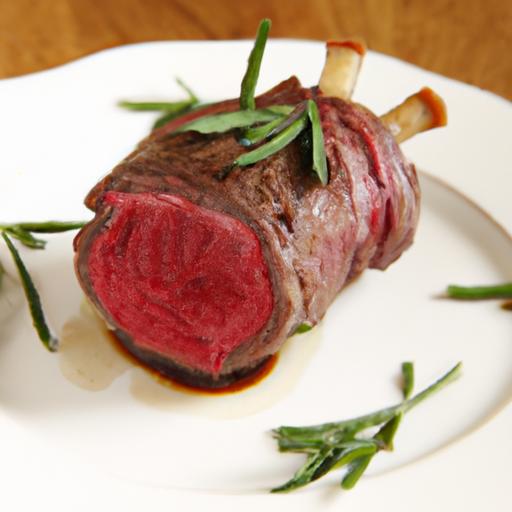

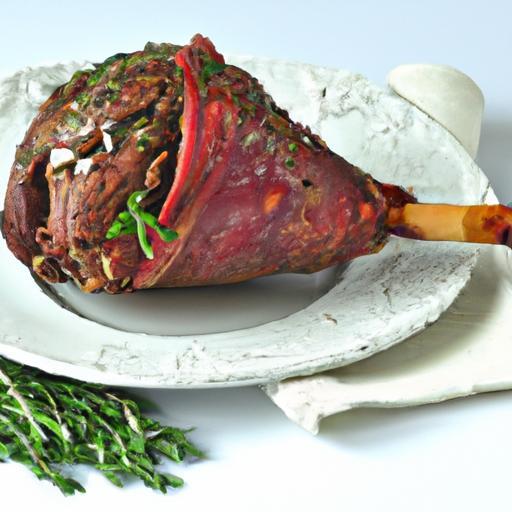
there’s something undeniably magical about slow-roasting beef and lamb-the way time and gentle heat transform humble cuts into tender, flavorful masterpieces that melt effortlessly on the palate. yet, achieving that perfect balance of texture, juiciness, and rich aroma can seem elusive to even seasoned home cooks. In this article, we’ll unlock the slow roast secrets that turn ordinary roasts into extraordinary culinary experiences every single time. From selecting the ideal cut to mastering temperature control and seasoning finesse, prepare to elevate your slow-roasting game and savor the art of patience on a plate.
Slow roast secrets unlock a world where beef and lamb transform into extraordinarily tender, juicy dishes that melt effortlessly in your mouth. Rooted in culinary tradition yet perfected by science, slow roasting demands an understanding that transcends mere cooking-it’s a stunning alchemy of heat, time, and expert ingredient selection designed to coax out deep, savory flavors while preserving moisture and tenderness.
Prep and Cook Time
- Planning: 20 minutes
- Marinating (optional): 8-12 hours
- Cooking: 3-6 hours (depending on cut and weight)
Yield
Serves 6-8
Difficulty Level
Medium
Ingredients
- 3-4 lbs beef brisket or lamb shoulder, trimmed
- 4 cloves garlic, minced
- 2 tbsp fresh rosemary, finely chopped
- 1 tbsp fresh thyme, chopped
- 1 tbsp smoked paprika
- 2 tsp kosher salt
- 1 tsp freshly ground black pepper
- 1/4 cup olive oil
- 1 cup dry red wine or beef broth
- 2 medium onions, sliced
- 2 medium carrots, chopped
- 2 stalks celery, chopped
Instructions
- Marinate the meat: Combine olive oil, garlic, rosemary, thyme, smoked paprika, salt, and pepper. Rub this marinade thoroughly over the beef or lamb. Cover and refrigerate for at least 8 hours to deeply infuse flavors.
- prepare the roasting bed: Preheat your oven to 275°F (135°C). place onions, carrots, and celery in a roasting pan to create a flavorful base that also protects the meat from direct heat.
- Brown the meat: heat a skillet over medium-high heat. Sear the marinated meat on all sides until a deep,golden crust forms,approximately 5-7 minutes per side. This caramelization develops rich, complex flavors essential to the slow roast secrets technique.
- Roast low and slow: Transfer the seared meat onto the vegetable bed in the roasting pan. Pour wine or broth around the meat-never on top-to maintain the crust. Cover tightly with foil or a lid to keep moisture locked in.
- Cook for 3-6 hours: Place the covered roasting pan in the oven. Check internal temperature after 3 hours, aiming for 195-205°F (90-96°C) to achieve the tender, pull-apart texture. Depending on size,cooking time may vary-slow roast secrets rely on patience and temperature control for peak results.
- Rest the meat: Remove from oven and let the meat rest, covered loosely with foil, for at least 20 minutes. This step allows juices to redistribute, ensuring each slice bursts with juiciness.
- Carve and serve: Slice against the grain. Use the pan juices and softened vegetables as a natural gravy or sauce accompaniment to enhance every bite.
Mastering Marinades and Seasonings: Tips for Deep Flavor
The magic of slow roast secrets lies not just in cooking time but in layering flavors early. A mixture of fresh herbs, smoked paprika, and garlic builds aromatic depth. Enhancing your marinade with umami-rich ingredients like Worcestershire sauce or a splash of balsamic vinegar can elevate the savoriness without overpowering the natural beef or lamb character.
For lamb, incorporating rosemary and mint complements its inherent earthiness, while beef thrives with robust herbs like thyme and smoky spices. Remember, avoid over-salting pre-cook to prevent drying; seasoning during resting or with pan juices offers balanced seasoning control.
Temperature Control and Timing Tips for Consistently Perfect Results
Maintaining a steady low temperature is critical. Slow roast secrets depend on gradual collagen breakdown within tougher cuts, unlocking melt-in-your-mouth tenderness over several hours. Too high a heat risks tightening muscle fibers, leading to dryness.
A low oven range of 250-275°F (120-135°C) is safe. Use a probe thermometer to monitor internal temperature, targeting 195-205°F for fork-tender results.Timing varies by cut size-smaller cuts may require just over 3 hours, while larger roasts benefit from extended durations. Avoid frequent oven door openings to retain heat and moisture.
Chef’s Notes
- Substitutions: Chuck roast or lamb leg work well for slow roasting if shoulder or brisket aren’t available.
- Make-ahead: Marinate overnight for richer flavor; slow roasting allows some flexibility in finishing time, perfect for planned entertaining.
- Troubleshooting: If meat appears dry,baste occasionally with pan juices; residual heat may carry over after removal from oven.
- Variation: Swap red wine with dark beer or strong beef broth for different subtle undertones.
Serving Suggestions
Present your slow roasted beef or lamb atop mashed potatoes or creamy polenta, spooning the silky pan jus and softened aromatics over the top. Garnish with fresh sprigs of rosemary or thyme and a sprinkle of flaky sea salt to add texture and burst of herbal aroma. Pair with roasted root vegetables and a bold red wine to round out the meal.

| Nutrient | Per serving |
|---|---|
| Calories | 480 kcal |
| Protein | 42 g |
| Carbohydrates | 8 g |
| Fat | 30 g |
For more tips and in-depth guides on cooking with beef, explore our Ultimate Guide to Beef Cuts. To understand meat science further, visit Serious eats: Science of Roasting Meat.
Q&A
Q&A: Slow Roast Secrets – Perfecting Beef & Lamb Every Time
Q1: What makes slow roasting the ideal method for beef and lamb?
A: Slow roasting transforms these hearty meats into tender, juicy masterpieces. The low and steady heat gently breaks down connective tissues, allowing flavors to meld deeply without drying out the meat. It’s the culinary equivalent of a long, soulful conversation that reveals the best stories – and taste – over time.
Q2: How do I choose the right cut of beef or lamb for slow roasting?
A: Look for cuts with good marbling and connective tissue-this is where the magic happens. For beef, the chuck, brisket, or shoulder shine in slow roasting. Lamb loves the leg, shoulder, or shanks. These tougher cuts flourish when given the patience of a slow roast, emerging fork-tender and flavor-rich.
Q3: Can I speed up a slow roast without sacrificing quality?
A: Slow roasting is all about time, but a clever few tricks can help. Starting with meat at room temperature, searing it first for a golden crust, or using a slightly higher oven temperature in the final half hour can enhance texture and flavor without rushing the process. Nonetheless,true perfection usually requires patience-think of it as a culinary slow dance,not a sprint.Q4: what seasoning tips guarantee flavor-packed beef and lamb?
A: Keep it simple but thoughtful. Salt and freshly ground pepper are non-negotiable starters; they season and enhance natural flavors.Add aromatic herbs like rosemary, thyme, or bay leaves for that earthy embrace. Garlic cloves tucked around the roast and a splash of red wine or stock add layers of complexity as the roast slowly bathes in its juices.Q5: How do I know when my slow roast is perfectly cooked?
A: Beyond relying on a meat thermometer, look for visual and tactile cues. The meat should be a deep, rich color and nearly fall apart under gentle prodding with a fork. For beef, aim for internal temperatures around 130-135°F (medium-rare to medium), and for lamb, about 135°F. Let the meat rest – this moment of pause lets juices redistribute, ensuring every bite is luscious.
Q6: What’s the secret to a great gravy or jus from a slow roast?
A: Never discard those golden roasting juices! After the roast rests,deglaze the pan with wine,stock,or a bit of balsamic vinegar,scraping up that caramelized goodness. Simmer gently to concentrate flavors, then finish with a knob of butter or a splash of cream for silky smoothness. It’s the ultimate companion that sings in harmony with rich beef or lamb.
Q7: Any insider tips for reheating slow-roasted beef or lamb?
A: Slow-roasted meats can dry out if reheated carelessly.Warm them gently in a low oven (around 250°F) wrapped in foil to retain moisture,or sliced thinly and reheated under a gentle steam bath. Adding a splash of broth or gravy during reheating helps keep every bite juicy and satisfying.
Q8: can I experiment with slow roasting in a slow cooker or sous vide?
A: Absolutely! Slow cookers and sous vide machines are fantastic allies. Slow cookers replicate the low, moist heat ideal for breaking down tough cuts, while sous vide offers precision temperature control, locking in juiciness before finishing with a high-heat sear. Both methods expand your slow roast horizons-modern tools for timeless flavors.
Q9: How critically important is resting time after slow roasting?
A: Critical. Resting is when the roast’s juices redistribute evenly, preventing a dry or stringy texture when sliced. Give your meat at least 15-20 minutes of rest, loosely covered with foil. Think of it as giving the roast a moment to catch its breath and perfect itself before the grand finale-your plate.
Q10: What side dishes best complement slow-roasted beef and lamb?
A: Root vegetables roasted alongside the meat soak up those luscious juices, making them natural partners. Creamy mashed potatoes, buttery parsnips, or caramelized shallots bring warmth and texture contrast. Finish with a fresh, zingy salad or steamed greens to balance the richness – creating a meal that feels both comforting and complete.
Unlock these slow roast secrets, and every beef or lamb roast becomes an effortless celebration of flavor, texture, and timeless culinary craft. Slow down, savor the process, and enjoy perfection every time!
Final Thoughts
Mastering the art of slow roasting transforms everyday cuts of beef and lamb into succulent, melt-in-your-mouth masterpieces. By embracing the patience and precision behind low, steady heat and careful seasoning, you unlock depths of flavor that quick cooking simply can’t achieve. Whether it’s a family gathering or a quiet weekend feast, these slow roast secrets ensure your meat emerges tender, juicy, and richly infused with character every time. So fire up your oven, trust the gentle rhythm of slow cooking, and prepare to savor the timeless joy of perfectly roasted beef and lamb-because great meals are worth the wait.