

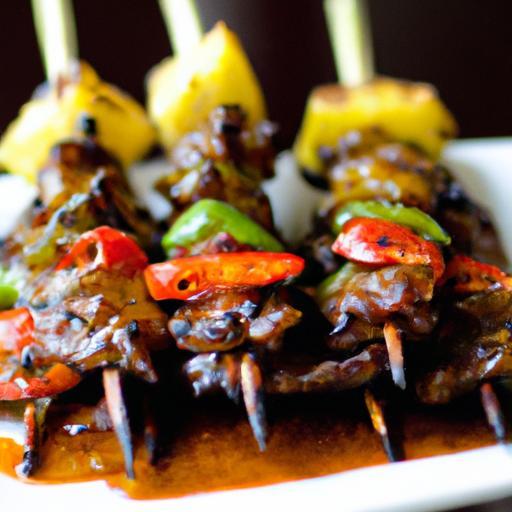
There’s something undeniably magnetic about the crackle of meat sizzling over hot coals-the smoky aroma weaving through the air, enticing hungry passersby with promises of rich, savory delight. Satay, the beloved grilled skewers of marinated chicken and beef, is more than just street food; it’s a cultural tapestry threaded with centuries of tradition, flavor, and craftsmanship. In this article, we’ll journey into the heart of satay’s artistry, exploring the secrets behind its perfectly charred exterior and tender, juicy interior. From the vibrant spice blends that infuse each bite to the time-honored grilling techniques that bring them to life, discover how these humble skewers continue to captivate palates around the world, one sizzling stick at a time.
Sizzling satay: The Art of Grilled Chicken & Beef Skewers
Few dishes capture the vibrant spirit of Southeast Asian street food quite like satay. This sizzling satay experience delights the senses with its smoky aroma,tender morsels of marinated chicken and beef,and a medley of rich,complex flavors. Rooted deeply in Indonesian and Malaysian culture, satay tells tales of trade, tradition, and culinary ingenuity, bringing together spices and grilling methods perfected over centuries. Whether your a seasoned grill master or a curious home cook, mastering this dish unlocks a world of bold, fragrant tastes that elevate simple skewers into a feast for both eyes and palate.
Prep and Cook Time
- Preparation: 30 minutes
- Marinating Time: 4 hours (preferred) to overnight
- Cooking: 10-15 minutes
yield
Serves 4 hungry guests (approximately 12 skewers)
Difficulty Level
Medium – requires time for marinating and some grilling finesse
Ingredients
- 500g boneless chicken thighs, cut into 1-inch cubes
- 500g beef sirloin, thinly sliced and cut into bite-size pieces
- 12-15 bamboo skewers, soaked in water for 30 minutes
- 4 cloves garlic, minced
- 2 shallots, finely chopped
- 2 tbsp soy sauce
- 2 tbsp kecap manis (sweet soy sauce)
- 1 tbsp tamarind paste
- 1 tbsp brown sugar
- 1 tsp ground coriander
- 1 tsp turmeric powder
- 1 tbsp vegetable oil
- 1 tsp freshly ground black pepper
- 1 tsp sea salt
- Peanut sauce (store-bought or homemade)
- Fresh cucumber slices and steamed rice cakes for serving
Instructions
- Prepare the marinade: In a bowl, combine minced garlic, chopped shallots, soy sauce, kecap manis, tamarind paste, brown sugar, ground coriander, turmeric, black pepper, sea salt, and vegetable oil. Whisk until a smooth, fragrant marinade forms.
- Marinate the meat: Divide the marinade into two bowls. Add chicken cubes to one and beef pieces to the other, ensuring all meat is fully coated. Cover and refrigerate for at least 4 hours, or preferably overnight to deepen flavors.
- Preheat your grill or grill pan: Aim for medium-high heat. If using charcoal, wait until coals are glowing red with a faint layer of ash.
- Thread the meat: Remove chicken and beef from their marinades, letting excess drip off. Thread the pieces onto soaked bamboo skewers, alternating pieces to balance the load and ensure even cooking. Avoid overcrowding the skewers for maximum juiciness.
- Grill the skewers: Place the skewers on the grill. Cook chicken for 4-5 minutes per side, and beef for 3-4 minutes per side, basting occasionally with leftover marinade or a little oil to maintain moisture. Rotate regularly for an even char.
- Check for doneness: Chicken should be cooked through with a slight char; beef can be medium to well-done, depending on preference.Use a meat thermometer if unsure: 165°F (74°C) for chicken, 135-140°F (57-60°C) for medium-rare beef.
- Rest the skewers: Remove from heat and let sit for 3 minutes to redistribute juices before serving.
- Serve with conventional accompaniments: Arrange skewers alongside a bowl of creamy peanut sauce, fresh cucumber slices, and soft steamed rice cakes (ketupat). Garnish with chopped cilantro and a wedge of lime for extra zest.
Tips for Success
- Marinating is key: Allowing the meat to rest in the marinade overnight infuses deep flavor and tenderizes fibers.
- Skewer spacing: Leave a small gap between pieces on the skewer to promote even heat circulation and avoid steaming.
- Control flame intensity: High heat seals the meat quickly, but too much direct flame can lead to charring. Opt for medium heat for balanced caramelization.
- Homemade peanut sauce: Whip together roasted peanuts, coconut milk, lime juice, garlic, chili flakes, and a touch of palm sugar for the freshest dip.
- Make ahead: Skewered and marinated meat can be stored in the fridge for 24 hours-perfect for prepping before your BBQ party.
- Vegetarian variation: Swap meat for marinated tofu or tempeh, grilling until crispy on the edges.
Serving Suggestions
For an authentic presentation, place the hot satay skewers on a banana leaf-lined platter, surrounded by small bowls of chunky peanut sauce and sliced fresh cucumbers. Include aromatic steamed rice cakes or fluffy jasmine rice to balance the smoky flavors. Sprinkle with thinly sliced red chilies and fresh herbs like mint or cilantro for a burst of color and refreshing contrast.A squeeze of lime over the skewers just before eating adds a bright citrus tang that awakens the palate.

| Nutrient | Per Serving (3 skewers) |
|---|---|
| Calories | 350 kcal |
| Protein | 32 g |
| Carbohydrates | 12 g |
| Fat | 18 g |
Discover more grilled delights in our Asian Grilled Classics collection and deepen your flavor knowledge with this britannica overview of Satay.
Q&A
Q&A: Sizzling Satay - The Art of Grilled Chicken & Beef Skewers
Q1: What exactly is satay?
A1: Satay is a beloved Southeast Asian dish consisting of marinated meat-most commonly chicken or beef-threaded onto skewers and grilled to smoky perfection. It’s the culinary lovechild of simple ingredients and bold flavors, often served with a rich, creamy peanut sauce that elevates each bite into a symphony of sweet, savory, and spicy notes.
Q2: Where did satay originate?
A2: While satay is a staple across many countries in Southeast Asia,including Thailand,Malaysia,and Singapore,its roots trace back to Indonesia,where street vendors popularized this grilled delicacy. The dish quickly traveled through the region, each locale adding its own spices and sauces, turning satay into a mosaic of cultural tastes.
Q3: What makes chicken and beef the perfect meats for satay?
A3: Chicken and beef are ideal because of their texture and ability to absorb marinades. Chicken, especially thigh meat, remains juicy and tender when grilled, while beef lends a hearty, robust flavor that stands up to bold spices. Both meats develop a delightful char that locks in smoky aromas essential to authentic satay.
Q4: How is the marinade for satay typically composed?
A4: The marinade is satay’s secret soul. It frequently enough includes a blend of turmeric,coriander,cumin,garlic,lemongrass,and sometimes coconut milk,which together infuse the meat with layers of earthy,citrusy,and fragrant flavors. the turmeric gives satay its signature golden hue, while the other spices create a spicy warmth that tingles the palate.
Q5: What’s the best grilling technique to achieve perfect satay?
A5: Patience and precise heat control are key.Satay benefits from grilling over charcoal or an open flame to impart that irresistible smoky char. The skewers are usually turned frequently to cook evenly and prevent burning, aiming for tender meat with a caramelized exterior. Basting with leftover marinade or oil during grilling can enhance juiciness and gloss.
Q6: what role does peanut sauce play in the satay experience?
A6: Peanut sauce is more than a dipping condiment-it’s the harmonious finale that ties satay’s flavors together. creamy, nutty, slightly sweet, and spiced with chili, garlic, and tamarind, the sauce adds depth and balance. It provides a cooling contrast to the smoky meat and invigorates the taste buds with its rich complexity.
Q7: are there traditional side dishes that accompany satay?
A7: Absolutely! Satay is often served with fragrant rice cakes called lontong or ketupat, thinly sliced cucumbers, and red onions. These accompaniments offer a refreshing crunch and mildness that cleanse the palate between savory skewers, ensuring each bite remains as exciting as the first.
Q8: Can satay be customized for different dietary preferences?
A8: Satay’s beauty lies in its versatility. beyond chicken and beef, you can find variations made with lamb, pork, fish, or even tofu and tempeh for vegetarians. Adjusting the marinade and sauce ingredients enables creative spins while honoring the essence of this grilled delight.Q9: What’s a common mistake to avoid when making satay at home?
A9: Overcrowding the grill or cooking over excessively high heat can lead to unevenly cooked or burnt skewers. Also, skipping the marinating step or marinating for too short a time diminishes flavor depth. Remember, marination is where the magic starts-give the meat time to soak up those tantalizing aromas.
Q10: why does satay continue to captivate food lovers worldwide?
A10: Satay embodies the art of simple ingredients transformed by time-honored techniques and vibrant spices. Its irresistible combination of smoky char, juicy meat, and luscious peanut sauce creates a multi-sensory experience that transcends borders-a sizzling love letter from Southeast Asia to the world’s taste buds.
to sum up
As the flames flicker and the fragrant smoke rises, satay reveals itself not just as a dish, but as a vibrant tradition steeped in history and flavor. Whether you’re mastering the perfect marinade or perfecting the char on tender chicken and beef skewers, the art of grilling satay invites you to savor more than just food-it’s a celebration of culture, craftsmanship, and community. So fire up your grill, embrace the sizzle, and let each skewer tell its smoky, succulent story. In every bite of satay, you’re not just tasting a meal-you’re experiencing an enduring culinary legacy.