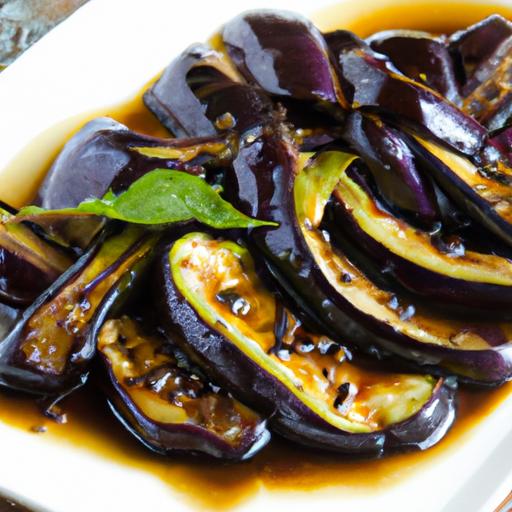

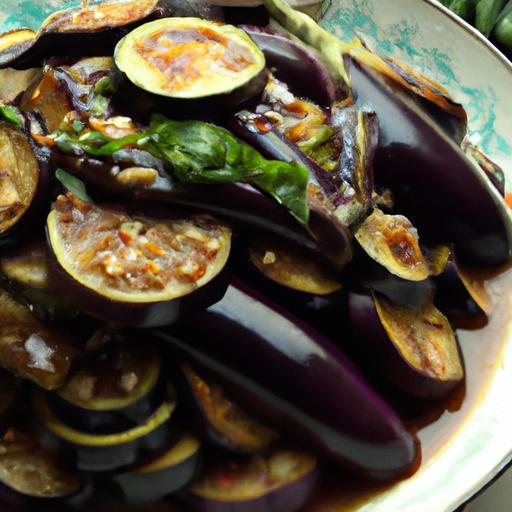
In the vibrant world of Chinese cuisine, few dishes capture the essence of bold flavors and comforting textures quite like Chinese eggplant bathed in a luscious garlic sauce.This humble vegetable,often overlooked in Western kitchens,transforms into a culinary superstar when paired with the rich,aromatic punch of garlic-infused sauce. Join us as we unravel the secrets behind this beloved classic, exploring its origins, cooking techniques, and the magic that turns simple ingredients into a mouthwatering delight. Whether you’re a seasoned foodie or a curious home cook, savoring Chinese eggplant in garlic sauce promises a journey into the heart of savory satisfaction.
Discovering the Essence of Chinese Eggplant with Garlic Sauce
savoring Chinese eggplant in a garlic sauce delight is more than just a culinary experience-it’s a journey through centuries of Chinese history and culture. This glossy, deep purple vegetable has long graced the tables of Imperial China and humble kitchens alike, prized for its velvety flesh and ability to absorb bold flavors. Its origins trace back over 1,500 years, cultivated initially in Southern China, where fertile soils and warm climates helped shape its tender, sweet character.
The magic truly unfolds when paired with a masterful garlic sauce,a quintessential condiment in many Southern Chinese dishes. this sauce, simmered to a perfect balance of heat, sweetness, and umami, honors traditional flavour profiles while inviting modern palates to savor every nuanced bite. Growing up in a family where weeknight dinners centered around comforting, rustic dishes, I remember the moment my grandmother introduced me to the captivating aroma of caramelized garlic mingling with soy and a hint of vinegar-that smell alone beckoned everyone to the table.
Prep and cook time
- Preparation: 15 minutes
- Cooking: 20 minutes
- Total Time: 35 minutes
Yield
Serves 4 as a main or 6 as a side dish
Difficulty level
Medium – perfect for home cooks ready to try authentic Chinese flavors with approachable steps
Ingredients
- 3 medium Chinese eggplants (about 1.5 lbs), cut into 2-inch chunks
- 4 tablespoons vegetable oil (preferably peanut or canola oil)
- 6 cloves garlic, finely minced
- 2 tablespoons ginger, minced
- 3 tablespoons light soy sauce
- 1 tablespoon dark soy sauce
- 1 tablespoon Shaoxing wine (Chinese cooking wine)
- 1 teaspoon sugar
- 1 teaspoon chili garlic sauce (adjust to taste)
- 1 tablespoon black vinegar (or rice vinegar as substitute)
- 1/2 cup vegetable broth or water
- 1 teaspoon cornstarch mixed with 2 tablespoons water (slurry)
- 2 stalks green onions, chopped for garnish
- 1 teaspoon toasted sesame oil (optional)
Instructions
- Prepare the eggplants: Rinse and cut the eggplants into bite-sized chunks. To avoid bitterness, soak the pieces briefly in salted water for 10 minutes, then drain and pat dry with a paper towel.
- Pre-cook the eggplant: Heat 3 tablespoons of vegetable oil in a large skillet over medium-high heat. Add the eggplant pieces and sauté until they start to turn golden and soften, about 6-8 minutes, stirring occasionally to prevent sticking.
- Sauté aromatics: Push the eggplants to one side of the pan and add the remaining 1 tablespoon of oil. Toss in the minced garlic and ginger, stir-frying until fragrant and lightly golden (about 1-2 minutes). Be careful not to burn the garlic as it can become bitter.
- Make the garlic sauce: Stir in the soy sauces, Shaoxing wine, sugar, chili garlic sauce, and black vinegar. Mix well to coat the eggplants evenly.
- add broth and simmer: Pour in the vegetable broth, reduce heat to medium-low, and cover the skillet.Let it simmer gently for 5 minutes to allow the eggplants to absorb the flavorful sauce.
- Thicken the sauce: Slowly stir in the cornstarch slurry, cooking until the sauce thickens and clings beautifully to the eggplant, about 1-2 minutes.
- Finish: Drizzle with toasted sesame oil if using. Garnish with chopped green onions for a pop of color and fresh crunch.
- Serve hot: For authentic presentation, transfer to a shallow ceramic dish and serve promptly.
Expert Tips for Pairing and Serving Yoru garlic Sauce Eggplant Delight
this rich garlic sauce eggplant pairs wonderfully with fluffy steamed jasmine rice or as a side to lean proteins like steamed fish or char siu pork. Garnish with crushed toasted peanuts or a sprinkle of toasted sesame seeds for added texture contrast. For a vibrant plate, add a handful of thinly sliced red chilies as a finishing touch that visually pops and adds a subtle kick.
To elevate and balance the meal,consider serving alongside a refreshing cucumber salad dressed lightly in rice vinegar and sesame oil. For a vegetarian or vegan twist, swap the Shaoxing wine for mirin and substitute the soy sauces for tamari to accommodate gluten sensitivities.
Chef’s Notes
- Variation: Roasting the eggplant instead of sautéing gives a smoky depth but requires a bit more time.
- Make-ahead: Prepare the garlic sauce ahead and store in the fridge for up to three days; gently reheat and toss with freshly cooked eggplant.
- Texture Tip: Avoid overcooking the eggplant-aim for tender but firm to keep a pleasant mouthfeel.
- Substitution: If you cannot find Chinese eggplants, globe eggplants work but have a coarser texture and less sweetness.
Nutritional Facts
| Nutrient | amount per Serving |
|---|---|
| Calories | 140 kcal |
| Protein | 3 g |
| Carbohydrates | 12 g |
| Fat | 9 g |
Discover more authentic Chinese recipes and deepen your culinary journey.
For further insight on the history of eggplants and their cultural significance, visit Britannica’s Eggplant Overview.

Q&A
Q&A: Savoring Chinese Eggplant – A Garlic Sauce Delight Unveiled
Q1: What makes Chinese eggplant unique compared to other varieties?
A1: Chinese eggplants are slender, elongated, and typically a vibrant shade of deep purple. Their skin is thinner and their flesh is tender with fewer seeds, which allows them to absorb flavors more readily. This makes them especially prized in dishes where the savoriness and texture shine through, like in garlic sauce preparations.
Q2: Why pair Chinese eggplant with garlic sauce?
A2: Garlic sauce and Chinese eggplant are a match made in culinary heaven.The pungent, aromatic garlic sauce complements the subtle sweetness and silky texture of the eggplant, creating a harmonious balance of bold and mellow flavors. The sauce’s punch elevates the dish, turning humble eggplant into a flavorful star.
Q3: What are the key ingredients that define a perfect garlic sauce for Chinese eggplant?
A3: A classic garlic sauce balances robust garlic with soy sauce, a hint of sugar, rice vinegar for acidity, and sometimes a touch of chili for warmth. Sesame oil adds a toasty aroma, and cornstarch is often used to thicken the sauce so it clings seductively to every tender bite of eggplant.
Q4: How should Chinese eggplant be prepared to best absorb the garlic sauce?
A4: The eggplant is typically cut into long strips or bite-sized pieces, then stir-fried or pan-fried until golden and soft. Some cooks salt the eggplant beforehand to draw out excess moisture and bitterness.This method ensures the eggplant’s creamy interior soaks up the garlic sauce like a sponge, while its exterior remains slightly caramelized.
Q5: Can garlic sauce Chinese eggplant be adapted for different tastes or dietary needs?
A5: Absolutely! For a spicy kick, add fresh chilies or chili oil. To deepen umami, incorporate fermented black beans or mushroom soy sauce. Vegans can keep the dish plant-based by avoiding oyster sauce and using tamari or mushroom-based alternatives. For a lighter twist,steam the eggplant rather of frying and toss with a fresh garlic vinaigrette.Q6: Is Chinese eggplant with garlic sauce served as a main course or a side dish?
A6: It’s wonderfully versatile. In Chinese cuisine,this dish frequently enough graces the table as a flavorful side to steamed rice and meats. However, its rich flavor and satisfying texture also make it worthy of center stage as a vegetarian main, especially when paired with other vibrant vegetables or tofu.Q7: What cultural significance does this dish hold in Chinese cuisine?
A7: While simple and humble in ingredients, Chinese eggplant with garlic sauce is a beloved home-style dish that embodies the essence of comfort food in many Chinese households. It showcases the culinary principle of transforming everyday vegetables into aromatic, soulful dishes through skillful balance of flavors-celebrating the harmony between simplicity and depth.
Q8: Any tips for first-timers cooking this dish?
A8: Don’t rush the frying step-getting the eggplant nicely browned adds depth. Use freshly minced garlic for the best aroma. Taste and adjust the sauce carefully; balancing salty, sweet, and sour elements is key. And most importantly, savor the process as much as the delightful final dish!
To Wrap It Up
As the final sizzle of garlic mingles with the tender, velvety bite of Chinese eggplant, we uncover more than just a dish-we discover a party of flavor, tradition, and culinary artistry.This garlic sauce delight invites both seasoned cooks and curious food lovers to embrace the rich textures and bold tastes that define a beloved staple of Chinese cuisine. So next time you seek a meal that’s both comforting and vibrant, remember the humble eggplant’s transformative power, and let your kitchen become a stage where simple ingredients perform a savory symphony worthy of savoring again and again.