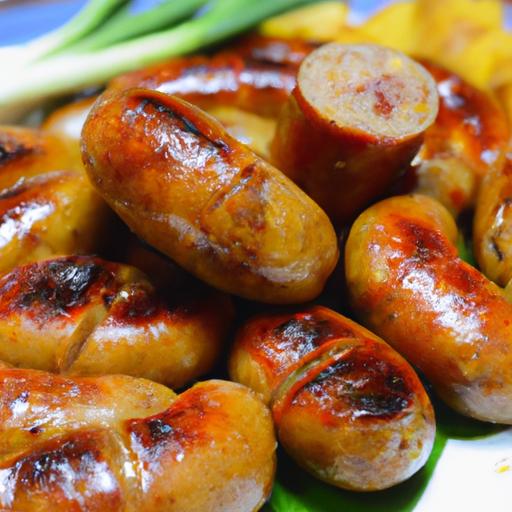

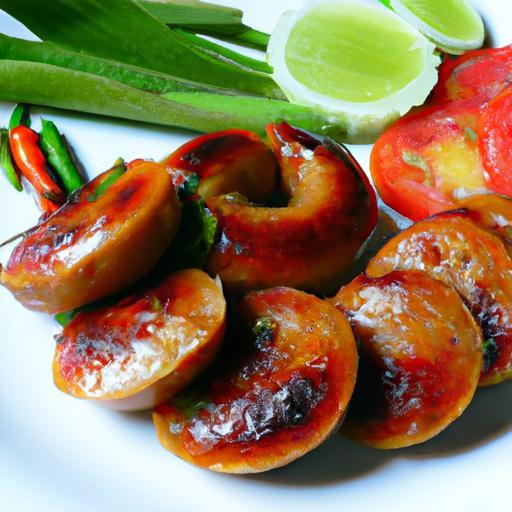
Nestled in the vibrant heart of Thailand’s northeastern region, Sai Krok isan is more than just a beloved street food-it’s a flavorful journey into the rich culinary heritage of Isaan. traditionally known as a tangy, fermented sausage made with pork and distinctive Isaan rice wine, Sai Krok Isan carries the unmistakable taste of the region’s culture and community.but what if you want to savor this iconic delicacy while embracing dietary preferences that exclude pork or alcohol? Enter a new twist on an old favourite: authentic Sai Krok Isan without pork or wine. This reinvented version honors the time-honored techniques and bold flavors of the original, proving that tradition and innovation can coexist deliciously. In this article, we’ll explore how this pork-free, wine-free variation is crafted, its cultural meaning, and why it’s captivating both loyal fans and curious newcomers alike.
Sai Krok Isan: Authentic Isaan sausage is a beloved culinary treasure from Northeastern Thailand, renowned for its bold flavors and tangy punch. Traditionally crafted with pork and fermented rice wine, this sausage embodies the vibrant spirit of Isaan cuisine. Though, reinventing this dish without pork or wine offers a fresh, inclusive take that honors tradition while welcoming new palates. Let’s explore its rich origins, discover thoughtful ingredient alternatives, and embark on a step-by-step journey to create a flavorful Sai Krok Isan without pork or wine that captures the soul of Isaan cooking.
Prep and Cook Time
- Readiness: 20 minutes
- Fermentation: 2-3 days (at room temperature)
- Cooking: 15 minutes
- Total Time: Approximately 3 days (mainly for fermentation)
Yield
Makes approximately 12 medium-sized sausages (serves 4-6)
Difficulty Level
Medium – Requires fermentation time and some careful handling
Ingredients
- 500g ground lean chicken thigh (a juicy, tender option to pork)
- 100g cooked sticky rice (provides natural fermentation and texture)
- 2 cloves garlic, finely minced
- 1 tablespoon shallots, finely chopped
- 1 teaspoon sea salt
- 1 teaspoon palm sugar
- 1 teaspoon freshly ground white pepper
- 1 tablespoon rice vinegar (acts as the fermentation catalyst, replacing rice wine)
- 2 tablespoons coconut water (adds slight sweetness and moisture)
- Pork sausage casings or natural collagen casings, soaked and rinsed
- Fresh herbs for garnish: cilantro, sliced scallions, and thinly sliced bird’s eye chilies
Instructions
- Prepare the sticky rice: Cook the sticky rice and allow it to cool completely. Mixing this with proteins fuels the slight fermentation conventional to Sai Krok Isan’s signature tangy note.
- Combine meats and flavorings: In a large bowl, mix the ground chicken, cooled sticky rice, minced garlic, and chopped shallots until evenly incorporated.
- Season the mixture: Add salt, palm sugar, white pepper, and rice vinegar. Stir thoroughly to ensure a balanced blend of sweet,salty,and tangy notes.
- Moisten and bind: Pour in coconut water gradually to retain moisture without making the mixture wet or soggy.The mixture should hold together well when pressed.
- Stuff the sausages: Rinse and soak your sausage casings, than carefully fill them with the mixture using a sausage stuffer or piping bag. Avoid overfilling to prevent bursting.
- Ferment: Hang the linked sausages in a cool, shaded spot with good airflow for 2-3 days at 70-75°F (21-24°C). This step develops the hallmark mild tang and preserves the sausage naturally.
- cook the sausages: Grill or pan-fry over medium heat for 10-15 minutes until golden brown and cooked through. Flip often for consistent browning and to avoid burning the casings.
- Rest and serve: Let the sausages rest 5 minutes off the heat before slicing. This seals in the juices and enhances the final texture.
Tips for success
- fermentation matters: Maintain a warm, breathable surroundings during fermentation to nurture the signature tang. Avoid refrigeration until after fermentation.
- Texture trick: Sticky rice must be fully cooked and cooled to integrate smoothly; this also aids in gentle fermentation.
- meat choice: While ground chicken is a tender substitute to pork, ground turkey or firm tofu blends can also work for varied textures and dietary needs.
- Vinegar alternative: Rice vinegar replicates the acidity of fermented rice wine. Apple cider vinegar can be a substitute but adjust quantities to taste.
- Make-ahead: These sausages freeze well post-fermentation. Thaw in the refrigerator before grilling or frying.
serving Suggestions
Slice the Sai Krok Isan without pork or wine into bite-size rounds and serve warm with fresh cucumber slices, Thai bird’s eye chilies, and an abundance of fresh herbs like cilantro and mint. A small dish of nuoc cham sauce or a simple chili-lime dipping sauce complements the sausages perfectly, amplifying the lively flavors. For a rustic touch, present on a banana leaf or wooden platter to evoke the vibrant street-food culture of Isaan.

Nutritional Details (per serving)
| Calories | Protein | Carbs | fat |
|---|---|---|---|
| 180 kcal | 22 g | 6 g | 7 g |
Q&A
Q&A: Sai Krok Isan – Authentic Isaan Sausage Without Pork or Wine
Q1: What is Sai Krok Isan?
Sai Krok Isan is a traditional fermented sausage originating from the Isaan region of Thailand. Known for its tangy flavor and chewy texture, it’s a beloved street food usually made with pork, sticky rice, and a hint of fermented ingredients that give it its signature sour note.
Q2: Traditionally, does Sai Krok Isan contain pork and wine?
Yes. Classic Sai Krok Isan recipes usually feature ground pork mixed with cooked sticky rice and sometimes a splash of local rice wine, which aids the fermentation process and enhances the flavor. Pork lends a rich, savory base, while the rice wine contributes subtle acidity and aroma during fermentation.Q3: So what does “Sai Krok Isan without pork or wine” mean?
This innovative twist on the classic Sai Krok Isan caters to those who avoid pork for dietary, religious, or health reasons, and those who prefer to skip alcohol. instead, plant-based proteins-like seasoned soy or pea protein-replace the pork, while natural fermentation is encouraged through rice and spices alone, removing the need for rice wine. This keeps the authentic sour tang but opens the experience to new palates.
Q4: How do you achieve the authentic tangy flavor without wine?
Fermentation is the heart of Sai Krok Isan’s flavor. Without rice wine, the sausage relies on natural lactobacillus bacteria from sticky rice and the environment to ferment the mixture. Extended fermentation at controlled temperatures develops the classic sourness naturally. Additional herbs and spices help mimic the complexity usually enhanced by wine.
Q5: What ingredients create the “meaty” texture without pork?
Plant-based proteins such as textured vegetable protein, seitan, or pea protein are finely chopped and marinated to replicate the bite and juiciness of traditional pork. Combined with sticky rice, garlic, and pepper, the blend achieves a satisfying chew that echoes the original experience.
Q6: Is Sai Krok Isan without pork or wine still considered authentic?
While purity purists may argue or else, authenticity evolves with culture and accessibility. the essence of Sai Krok Isan lies in its method-fermentation, rice, tang, and spice.Preserving those elements while adapting the protein base honors the spirit of the dish while welcoming modern dietary needs.
Q7: How is this sausage typically enjoyed?
Like its traditional counterpart, non-pork Sai Krok Isan is best served sliced into bite-sized pieces, paired with fresh cabbage, sliced ginger, and bird chili. It’s perfect as a snack, appetizer, or street food delight, accompanied by sticky rice or fresh herbs to balance the tartness.
Q8: can this recipe be made at home?
Definitely! Making pork-free, wine-free Sai krok Isan at home involves mixing your chosen plant protein with steamed sticky rice, salt, garlic, and seasonings, then packing the mixture into sausage casings. Allow it to ferment in a warm spot for several days, monitoring closely. It’s a rewarding project that brings a taste of Isaan’s culinary heritage to your kitchen-without pork or alcohol.
Q9: Why is this innovation critically important?
it broadens access, making a treasured traditional food inclusive-for vegetarians, those who avoid alcohol, or anyone curious about bold flavors without compromise. It also showcases how ancient culinary techniques adapt and thrive in a modern, diverse food landscape.
Dive into the tangy,spicy world of Sai Krok Isan without pork or wine-and experience authentic isaan flavor in an exciting new form. Your taste buds will thank you!
In Retrospect
In a culinary landscape rich with tradition and bold flavors,Sai Krok Isan stands out as a timeless emblem of Isaan heritage-now reimagined without pork or wine yet still bursting with authentic taste. This reinvented sausage invites us to savor the soul of northeastern Thailand through vibrant herbs, fermented rice, and a harmony of spices that speak louder than any single ingredient. Whether you’re a devoted foodie or a curious newcomer, embracing this pork- and wine-free variation of Sai Krok Isan opens a flavorful gateway to a culture where innovation honors tradition. So next time you crave a snack that’s both wholesome and steeped in history, remember: authentic Isaan flavor can thrive beyond convention, one bite at a time.