
Hidden within tiny translucent spheres lies a story as rich adn intriguing as the dishes they transform.Sago pearls-those small, glistening orbs often mistaken for tapioca-hold a unique place in culinary traditions across the globe. From the tropical palms where their journey begins to the steaming bowls and sweet desserts that delight our senses, sago pearls invite us to explore ancient origins, versatile uses, and delicious creations.Join us as we unravel the fascinating world of sago pearls, revealing the history, cultural importance, and mouthwatering treats that continue to captivate food lovers everywhere.
Discover the Culinary magic of Sago Pearls in an Irresistible Coconut Sago Pudding
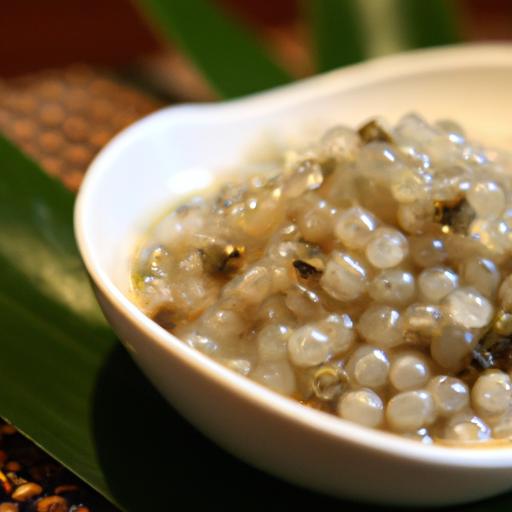
Sago Pearls Unveiled is your gateway to transforming humble tapioca-like beads into a luscious, velvety dessert treasured across tropical kitchens. Originating in Southeast Asia, this coconut sago pudding celebrates the delicate texture and subtle chewiness of sago pearls, harmonizing them with rich coconut cream and a whisper of palm sugar. I vividly recall the first time I savored this dish at a vibrant street market in Malaysia-the way each pearl burst gently while offering a soothing contrast to the fragrant, creamy broth was pure culinary magic. Now,this pudding is one of my favourite approachable recipes to showcase the versatility of sago pearls in both traditional and modern kitchens.
Prep and cook Time
- Readiness: 10 minutes
- Cooking: 25 minutes
- Total Time: 35 minutes
Yield
- Serves: 4 people
difficulty Level
- Easy – perfect for beginners and seasoned cooks alike
Ingredients
- 1 cup sago pearls
- 4 cups water (for boiling)
- 2 cups coconut milk (full-fat for creaminess)
- ½ cup palm sugar (or brown sugar)
- 1 tsp vanilla extract
- A pinch of salt
- Fresh mango slices or ripe jackfruit strips (optional garnish)
- Toasted shredded coconut (for garnish)
Instructions
- Rinse the sago pearls under cold water until the water runs clear to remove excess starch, ensuring a clean finish.
- Bring 4 cups of water to a boil in a medium saucepan. Add the rinsed sago pearls gradually, stirring gently to avoid clumping.
- Cook the sago pearls at a medium simmer, stirring frequently to prevent the pearls from sticking, for about 15-20 minutes or until they turn translucent with a faint white dot in the center (classic sign of doneness).
- Once cooked, drain the pearls through a fine sieve and rinse quickly under cold water to halt the cooking process and remove excess starch.
- In the same saucepan, combine coconut milk, palm sugar, vanilla extract, and salt. Gently warm over low heat, stirring until the sugar dissolves fully.
- Add the cooked sago pearls back into the coconut mixture, simmering gently for 5 minutes to allow flavors to meld, stirring occasionally.
- Remove from heat, then transfer to serving bowls. Chill if desired or serve warm for a comforting treat.
- Garnish with fresh mango slices or jackfruit, and sprinkle with toasted shredded coconut for added texture and tropical aroma.
Chef’s Notes & Tips for Success
- Cooking Sago Pearls: Avoid overcrowding the pot; pearls need space to cook evenly. Stir gently but often to prevent sticking.
- Sugar Substitutes: Maple syrup or honey can replace palm sugar for a slightly different flavor profile.
- Dairy-Free Options: Use coconut cream for a richer version or mix in almond milk for a lighter choice.
- Make Ahead: Prepare the pudding a few hours in advance and refrigerate; pearls absorb flavors beautifully over time.
- Texture Variations: For a firmer bite, reduce cooking time slightly; for softer, cook longer but watch closely.
Serving Suggestions
This dessert shines best when served chilled on a hot day to refresh and delight.Serve in clear glass bowls to showcase the glistening translucent pearls suspended in creamy coconut milk. Add vibrant tropical fruit such as mango,jackfruit,or lychee on top,sprinkled with a toasty coconut flake garnish.Pair it with a cup of fragrant jasmine tea or strong black coffee to balance the sweetness. For a creative twist, layer the pudding with crushed pandan cookies for subtle herbal notes and added crunch.
| Nutrient | Per Serving |
|---|---|
| Calories | 220 kcal |
| Protein | 1.5 g |
| Carbohydrates | 40 g |
| fat | 6 g |

for an in-depth look at the rich cultural heritage of sago pearls and how they transform global cuisines, feel free to visit our exploring traditional ingredients page. To understand the health benefits of sago pearls and other natural starches, check out this detailed guide from NCBI.
Q&A
Q&A: Sago Pearls Unveiled: Origins, Uses, and Tasty Treats
Q1: What exactly are sago pearls?
A1: Sago pearls are tiny, translucent beads derived from the starch extracted from the pith of the sago palm tree. These pearls transform into soft, chewy morsels when cooked, often resembling little pearls of edible delight. Their neutral flavor makes them the perfect blank canvas for both sweet and savory dishes.
Q2: Where do sago pearls come from?
A2: Originating primarily in Southeast asia and parts of the Pacific Islands, sago palms have been a vital food source for centuries. Indigenous communities mastered the art of harvesting the starchy core,drying it,and forming it into these signature pearls. this ancient process connects us to a rich cultural heritage and a tropical landscape.
Q3: How are sago pearls typically used in cooking?
A3: The versatility of sago pearls is remarkable! They’re soaked and boiled until translucent, then used in puddings, bubble teas, soups, and even snack balls. From cooling desserts infused with coconut milk to hearty stews that incorporate local spices, sago pearls absorb flavors beautifully and offer a delightful texture.
Q4: Are sago pearls similar to tapioca pearls?
A4: While sago and tapioca pearls look quite alike and behave similarly when cooked, they come from different plants. Sago comes from the sago palm, while tapioca derives from cassava root. Both provide chewy textures and neutral tastes but carry unique cultural footprints and subtle differences in cooking.
Q5: Can sago pearls be used in gluten-free diets?
A5: Absolutely! Sago pearls are naturally gluten-free, making them an excellent ingredient for those avoiding gluten. They also offer a simple carbohydrate source, often favored in traditional diets during periods of recovery or for sustained energy.
Q6: What are some popular dishes featuring sago pearls?
A6: Think of the iconic Southeast Asian “sago pudding,” a silky dessert frequently enough paired with tropical fruits and fragrant coconut milk. In India, “Sabudana khichdi” is a beloved savory snack made with soaked pearls, peanuts, and spices. In Taiwan, small sago pearls sometimes sneak into bubble tea blends, adding an unexpected twist to the classic beverage.
Q7: How can home cooks get the best results with sago pearls?
A7: Patience is key. Soak your sago pearls before boiling to reduce cooking time and ensure even translucence. Stir gently to prevent clumping, and cook until the pearls turn fully transparent with a slight chew. pair them with richly flavored liquids to let their texture shine in any dish.Q8: Are sago pearls nutritious?
A8: Sago pearls are primarily composed of carbohydrates,providing a swift energy boost. They contain minimal protein or fat and lack significant vitamins or minerals, so think of them as a comforting base rather than a nutritional powerhouse. They pair wonderfully with nutrient-dense ingredients to create balanced meals.
Q9: Where can I buy sago pearls?
A9: Sago pearls can often be found in Asian grocery stores, health food markets, or online specialty retailers. They usually come packaged as small, dry pearls, ready for soaking and cooking. Keep an eye out for organic or traditionally processed options to experiance authentic flavor and quality.Q10: What’s the secret to making sago pearls truly irresistible?
A10: It’s all about balance – the perfect chew, the right sweetness or savoriness, and complementary ingredients that highlight their subtle charm.Embrace creative culinary twists, from infusing your cooking water with spices to topping your pudding with fresh fruits and toasted nuts. With a little love and imagination, sago pearls transform humble starch into enchanting bites worth savoring.
The Conclusion
From humble beginnings in tropical palms to their shimmering presence in kitchens worldwide, sago pearls truly embody a culinary journey filled with history and flavor. Whether transforming a simple dessert into a luscious treat or adding a unique texture to savory dishes, these tiny spheres continue to captivate taste buds and cultures alike.As you explore the diverse uses and rich origins of sago pearls,may your appreciation for this ancient ingredient deepen-and perhaps inspire your next delicious creation. So go ahead, savor the story behind each pearl, and let sago’s subtle charm unveil itself in your own kitchen adventures.