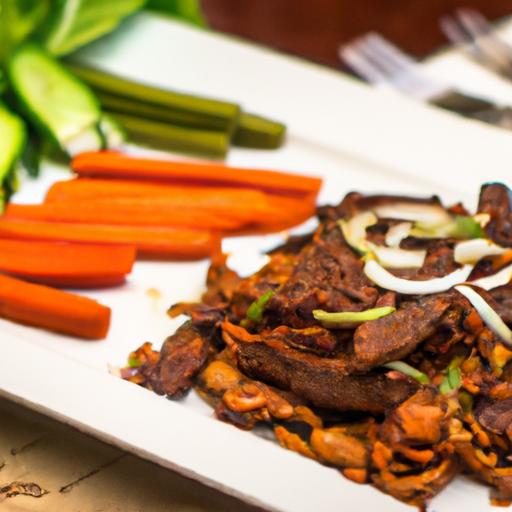

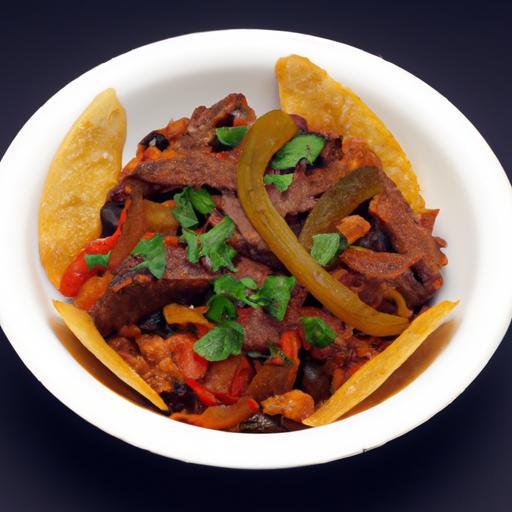
In the vibrant mosaic of Cuban cuisine, few dishes capture the island’s spirit adn history quiet like Ropa vieja. This iconic shredded beef delight is more than just a meal-it’s a flavorful journey through Cuba’s cultural tapestry, a savory symphony of tender meat, colorful peppers, and rich tomato sauce that tells stories of tradition and resilience. Whether served with rice, black beans, or fried plantains, Ropa Vieja remains a beloved staple on Cuban tables and beyond, inviting food lovers everywhere to savor a taste of the Caribbean’s heart and soul. Join us as we unveil the origins, ingredients, and timeless appeal of this quintessential Cuban classic.
Ropa Vieja is a beloved treasure of Cuban cuisine,renowned for its rich,hearty flavors and the comforting texture of shredded beef simmered in a vibrant tomato-based sauce. This dish has deep roots tracing back to the Canary Islands and was lovingly transformed by Cuban culinary traditions into a symbol of home, heritage, and festivity.The name Ropa Vieja, translating to “old clothes,” charmingly refers to the appearance of the shredded meat strands resembling a worn garment, yet every bite unveils layers of succulent tenderness and robust flavor.
Prep and Cook Time
- Readiness Time: 20 minutes
- Cooking Time: 2 hours 30 minutes (including simmering and slow cooking)
- Total Time: 2 hours 50 minutes
yield
Serves 6 hearty portions
Difficulty Level
Medium – requires some attention to slow cooking and shredding technique but yields an impressively authentic result.
Key Ingredients and Traditional Preparation Techniques Explained
The success of your ropa vieja lies in selecting the right cut of beef-usually flank or skirt steak-known for its rich connective tissues that break down beautifully over low and slow cooking. This method transforms tough cuts into melt-in-your-mouth goodness. The iconic sauce is a vibrant blend of crushed tomatoes, smoky paprika, garlic, bell peppers, onions, and cumin, each adding a distinct layer of cuban soul to the dish.A touch of dry white wine and vinegar injects a subtle acidity, balancing the umami depth. Traditional Cuban cooks often add green olives and capers, endowing the stew with a bright, briny complexity that elevates the overall flavor profile.
Ingredients
- 2 ½ lbs flank steak, trimmed
- 2 tablespoons olive oil
- 1 large onion, thinly sliced
- 1 large green bell pepper, thinly sliced
- 4 cloves garlic, minced
- 1 (14 oz) can crushed tomatoes
- 1 cup dry white wine
- ½ cup beef broth
- 2 tablespoons tomato paste
- 1 tablespoon red wine vinegar
- 1 teaspoon smoked paprika
- 1 teaspoon ground cumin
- ½ teaspoon dried oregano
- 1 bay leaf
- ½ cup green olives, sliced
- 2 tablespoons capers, rinsed
- Salt and freshly ground black pepper, to taste
- Fresh cilantro or parsley for garnish
Instructions
- Brown the beef: Heat olive oil in a large heavy-bottomed pot over medium-high heat. Season the flank steak generously with salt and pepper. Sear on each side until deeply browned, about 4-5 minutes per side. Remove and set aside.
- Sauté aromatics: In the same pot, add the sliced onions and bell peppers. Sauté until softened and lightly caramelized, about 7 minutes.Stir in garlic and cook 1 minute more until fragrant.
- Build the sauce: Stir in tomato paste, smoked paprika, cumin, oregano, and crushed tomatoes. Cook for 2 minutes to marry the flavors.
- Deglaze and simmer: Pour in white wine and beef broth,scraping the browned bits off the bottom of the pot. Add red wine vinegar, bay leaf, olives, and capers. Return the browned flank steak to the pot, nestling it into the sauce.
- Slow cook: Bring to a gentle simmer, cover, and reduce heat to low. Let cook for 2-2½ hours until the meat is fork-tender and shreds effortlessly.Stir occasionally to prevent sticking.
- Shred the beef: Remove the beef from the pot and place on a cutting board. Using two forks, shred the beef into thin strips.
- Combine and finish: Return shredded beef to the sauce, stir well to coat every strand with the rich tomato mixture. Simmer uncovered for an additional 10-15 minutes to thicken the sauce, adjusting seasoning with salt and pepper.
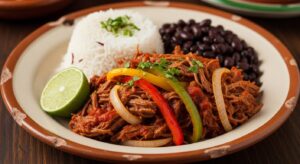
- Serve: Garnish generously with freshly chopped cilantro or parsley. Serve hot alongside classic Cuban black beans and fluffy white rice.
Tips for Perfecting the Shredded Beef Texture at Home
Achieving that iconic ropa vieja shredded beef texture requires patience and favorite cookware. Use a heavy pot or Dutch oven for even heat distribution. Slow simmering breaks down connective tissues flawlessly-never rush this step.
- Tip 1: If time is tight, after searing, place the beef in a slow cooker on low for 6-8 hours before shredding.
- Tip 2: Let the meat rest briefly after cooking; this helps retain moisture and makes shredding easier.
- Tip 3: Use two forks to pull the meat apart in long, thin strands for an authentic look and feel.
- Tip 4: Stir the shredded beef back into the sauce, allowing it to soak up flavors for at least 15 minutes before serving.
Serving Suggestions and Pairings to elevate Your Ropa Vieja Experience
Ropa vieja shines when complemented by traditional Cuban sides that balance its rich,tangy character. Serve it over a bed of steaming white rice or cuban-style yellow rice for colorful contrast. Black beans simmered with garlic and bay leaf infuse a silky texture that pairs beautifully with the fermented olive notes.
For some crunch and brightness, garnish with sweet fried plantains (tostones) or ripe maduros.Fresh avocado slices or a simple green salad dressed with lime vinaigrette provide a refreshing counterpoint. Don’t forget a crisp Cuban white wine or a refreshing mojito to cleanse the palate.
| Nutrient | Per Serving (6 servings) |
|---|---|
| Calories | 420 kcal |
| Protein | 38 g |
| Carbohydrates | 14 g |
| Fat | 22 g |
| Fiber | 3 g |

For additional inspiration and authentic Latin American recipes, see our Cuban cuisine Classics guide, and explore the cultural history of Cuban food here at Britannica.
Q&A
Q&A: Ropa Vieja Unveiled – Cuba’s Iconic Shredded Beef Delight
Q1: What exactly is Ropa Vieja?
A1: Ropa Vieja, which translates to “old clothes” in Spanish, is a beloved Cuban dish featuring tender, slow-cooked shredded beef stewed in a vibrant tomato-based sauce with peppers, onions, and a symphony of spices. The name whimsically refers to the meat’s ragged, shredded appearance – much like a tattered garment – but don’t be fooled; this “old clothes” dish is always fresh, flavorful, and full of heart.
Q2: Where did Ropa Vieja originate?
A2: While Ropa Vieja is a Cuban culinary icon, its roots trace back to the Canary Islands. Spanish settlers brought the recipe to Cuba, where it evolved into the saucy, smoky, and savory masterpiece we know today. The dish has as become a symbol of Cuban identity and comfort cuisine, celebrating the island’s rich cultural tapestry.
Q3: What makes Ropa vieja unique compared to other shredded beef dishes?
A3: what sets Ropa Vieja apart is its perfect balance of tender, slow-braised beef enveloped in a deeply flavorful sauce bursting with roasted peppers, caramelized onions, garlic, and sometimes olives or capers. The addition of cumin and smoky paprika adds a distinctive Cuban warmth and complexity, distinguishing it from similar dishes around the world.Q4: How is traditional Ropa Vieja prepared?
A4: Traditionally, a tough cut of beef (often flank steak) is simmered slowly until it yields effortlessly to shredding. The shredded meat is then cooked gently in a rich sauce made from tomatoes, bell peppers, onions, garlic, and a blend of spices. This slow-cooking technique allows the flavors to meld beautifully,resulting in a dish that’s both hearty and nuanced.Q5: What are the classic accompaniments to Ropa Vieja?
A5: Ropa Vieja is typically served alongside fluffy white rice and black beans – staples of cuban cuisine that provide a comforting contrast to the rich beef stew. A side of fried sweet plantains (maduros) often joins the plate, adding a sweet counterpoint that elevates the entire meal. Sometimes, a splash of tangy mojo sauce or a few pickled onions add an extra zing.Q6: Can Ropa Vieja be adapted for modern dietary preferences?
A6: Absolutely! While the traditional recipe centers on beef, modern cooks have embraced versatility. Slow-cooked shredded chicken or pork can stand in with excellent results, and plant-based versions using jackfruit or mushrooms capture the shredded texture and soak up the signature sauce beautifully. The essence of Ropa Vieja – tender, saucy, and packed with bold flavors – remains intact regardless of protein choice.
Q7: Why has Ropa Vieja remained such a beloved dish over the years?
A7: Ropa Vieja endures as it tells a story of resilience, tradition, and shared heritage. It’s a dish that’s as much about community and family as it is about flavor. Slow-cooked with love and patience, it appeals to our primal desire for comfort food while celebrating Cuban history and culture.Every bite is a flavorful journey into the heart of the island.
Q8: Where can one enjoy authentic Ropa Vieja today?
A8: true Ropa Vieja can be found in Cuban households, cherished family-run restaurants, and vibrant Latin eateries around the world. whether in Havana or Miami’s Little Havana, seeking out Ropa Vieja is like tasting a slice of Cuba’s soul – tender, rich, and deeply satisfying. For those cooking at home, the recipe invites an adventure of slow cooking and soulful enjoyment.
Let Ropa Vieja transport your taste buds to Cuba’s sunlit streets and lively kitchens – a hearty dish that wears its “old clothes” proudly, promising comfort, warmth, and a flavorful story in every shred.
To Wrap It Up
As the rich aroma of simmered tomatoes, peppers, and tender shredded beef lingers in the air, Ropa Vieja stands as more than just a dish-it is indeed a flavorful tapestry woven from Cuba’s vibrant history and spirited culture. Unveiling this iconic meal reveals not only the secrets behind its melt-in-your-mouth texture but also the enduring legacy of a nation that finds comfort and identity in every savory bite. Whether you savor it at a bustling Havana table or recreate it in your own kitchen, Ropa Vieja invites you to taste a story as timeless and unforgettable as the island itself.