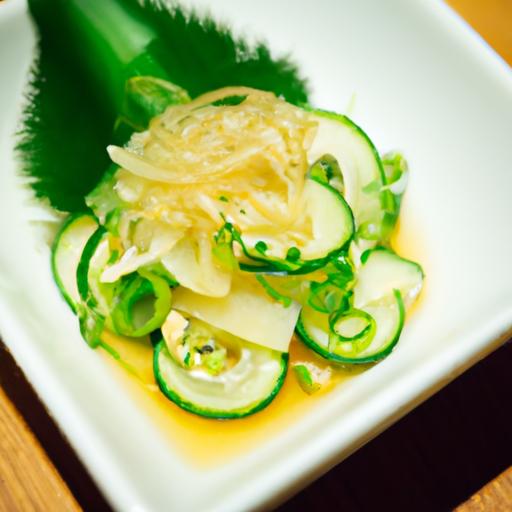

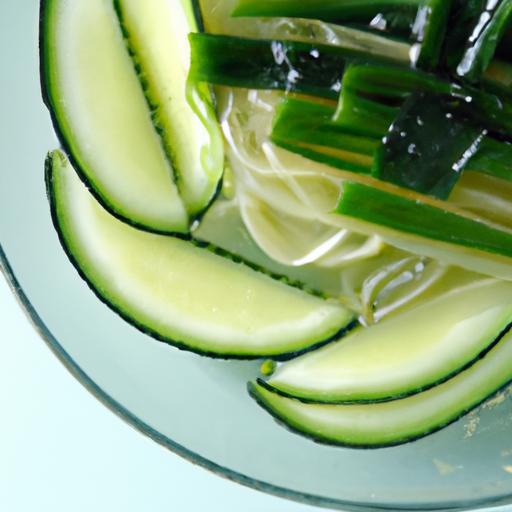
light, crisp, and bursting with subtle flavors, the Japanese cucumber and seaweed salad-known as Sunomono-is a culinary gem that perfectly captures the essence of refreshing simplicity. This vibrant dish balances the cool crunch of thinly sliced cucumbers with the delicate, ocean-kissed sweetness of seaweed, all brightened by a tangy rice vinegar dressing that dances on the palate. Whether enjoyed as a palate cleanser, a side dish, or a revitalizing snack, Sunomono offers a delightful gateway into the world of Japanese cuisine. In this guide, we’ll explore the art of crafting the perfect Sunomono, unlocking tips, variations, and the cultural story behind this elegant, healthful salad.
Refreshing Japanese Cucumber & Seaweed Salad is a beautiful harmony of subtle sweetness,briny depth,and crisp freshness,making it a beloved staple in Japanese cuisine. Rooted in tradition yet delightfully simple to prepare, this sunomono dish celebrates delicate textures and flavors that awaken the senses without overwhelming the palate. From my first encounter with it at a small Kyoto ryokan to crafting it in my home kitchen,I’ve always found the charm lies in selecting the freshest ingredients and mastering the artful balance of the vinegar dressing.
Prep and Cook Time
- Preparation: 15 minutes
- Resting: 30 minutes (for marinating)
- Total Time: 45 minutes
Yield
- Serves 4 as a refreshing appetizer or side dish
Difficulty Level
- Easy – Perfect for home cooks and beginners
Ingredients
- 2 medium Japanese cucumbers, thinly sliced
- 1 tablespoon salt
- 1/4 cup dried wakame seaweed, soaked in water for 10 minutes, drained and squeezed
- 3 tablespoons rice vinegar (unseasoned)
- 2 teaspoons sugar
- 1 teaspoon soy sauce
- 1 teaspoon mirin
- 1 teaspoon toasted sesame seeds, for garnish
- optional: thinly sliced pickled ginger or finely chopped scallions
Step by Step Guide to Crafting the Ideal Vinegar Dressing
- prepare the cucumbers: Start by thinly slicing your Japanese cucumbers with a mandoline or sharp knife. Toss them gently with 1 tablespoon salt to draw out excess moisture and bitterness. Let it sit for 10 minutes, then rinse under cold water and pat dry with paper towels.
- Rehydrate the seaweed: Soak your dried wakame in cold water for about 10 minutes until plump and tender. Drain thoroughly and squeeze out extra water to prevent sogginess in your salad.
- mix the dressing: In a small bowl, whisk together rice vinegar, sugar, soy sauce, and mirin until the sugar fully dissolves. This creates a perfectly balanced dressing that’s tangy, slightly sweet, and savory.
- Combine salad components: In a mixing bowl, gently fold the cucumbers and wakame together. Pour the vinegar dressing over them and toss lightly to coat every slice delicately. Let the salad marinate for at least 20 minutes in the fridge to let the flavors meld.
- Finish and serve: just before serving, sprinkle with toasted sesame seeds and, if desired, garnishes like pickled ginger slices or scallions to add bursts of color and flavor.
Tips for Serving and Pairing Your Refreshing Sunomono Salad
This Japanese cucumber and seaweed salad is a versatile companion to numerous meals. Serve it chilled in small bowls to refresh the palate between richer dishes. Its crisp texture and tangy-sweet dressing beautifully complement grilled fish, tempura, or as a light counterpoint during a sushi meal.
For an elegant presentation, layer the salad over a bed of crushed ice and garnish with a delicate shiso leaf or a thin lemon wedge. Pair with a chilled glass of sake or green tea to complete the authentic experience.
Chef’s notes
- Ingredient substitutions: if you cannot find Japanese cucumbers, Persian or Kirby cucumbers work well-they offer similar crunch and thin skins.
- Adjust sweetness and acidity: Customize the vinegar dressing by balancing the sugar and vinegar. Add a splash of yuzu juice for a fragrant twist.
- Make-ahead tip: Prepare the cucumber slices and dressing separately and combine just before serving to maintain crispness.
- Seaweed varieties: Experiment with different seaweeds like arame or hijiki for varied textures and flavors.
| Nutrient | Per Serving |
|---|---|
| Calories | 60 kcal |
| Protein | 1.2 g |
| carbohydrates | 10 g |
| Fat | 0.5 g |

For a deeper dive into Japanese side dishes, check out our Tsukemono Pickles Guide.To understand the health benefits of seaweed, visit The Nutrition society.
Q&A
Q&A: Refreshing Japanese Cucumber & Seaweed Salad – A Sunomono Guide
Q1: What exactly is Sunomono?
A1: Sunomono is a classic Japanese salad that translates to ”vinegared things.” It’s a light, tangy dish typically featuring thinly sliced vegetables or seafood marinated in rice vinegar. The cucumber and seaweed version is a refreshing favorite, balancing crispness with umami and a hint of sweetness.
Q2: Why are cucumbers and seaweed a perfect pair in this salad?
A2: Cucumbers bring a cool, crunchy texture and mild flavor, while seaweed offers a contrasting chewy bite along with mineral-rich umami depth.Together, they create a harmonious balance that’s vibrant and deeply satisfying, ideal for a palate cleanser or summer side dish.
Q3: What type of seaweed should I use for Sunomono?
A3: The conventional choice is wakame, a tender, dark green seaweed that rehydrates quickly and has a subtle oceanic flavor. You can find dried wakame in most Asian grocery stores. Just soak it briefly before tossing it in your salad.
Q4: How do I prepare the cucumbers to get that signature Sunomono crunch?
A4: To achieve the perfect crunch, slice the cucumber paper-thin using a mandoline or sharp knife. sprinkle a pinch of salt over the slices and let them sit for 10-15 minutes to draw out excess moisture, then gently squeeze and pat dry. This prevents sogginess and intensifies the crisp texture.
Q5: What’s the secret to the dressing that makes this salad so refreshing?
A5: The dressing is a simple yet magical blend of rice vinegar, a touch of sugar, and a splash of soy sauce-sometimes with a hint of mirin for sweetness. This trio creates a radiant, tangy-sweet flavor that complements the fresh ingredients without overpowering them.
Q6: Can I add other ingredients to customize my Sunomono?
A6: Absolutely! Thinly sliced carrots,daikon radish,or even a sprinkle of toasted sesame seeds bring extra color,crunch,and depth. Some also like adding cooked shrimp, crab, or tofu for a heartier twist while keeping the dish light and refreshing.
Q7: How should I serve Sunomono for the best experience?
A7: Chill your salad in the fridge for at least 30 minutes before serving.This lets the flavors meld and heightens the refreshing quality. Serve it in small bowls as a palate cleanser between richer dishes or as a cool appetizer on a hot day.
Q8: Is Sunomono healthy?
A8: Definitely! Low in calories and packed with hydrating cucumbers, mineral-rich seaweed, and gut-amiable vinegar, Sunomono is a nourishing choice. It’s a guilt-free way to enjoy umami flavors and stay refreshed.
Q9: Any tips for prepping Sunomono ahead of time?
A9: Prep your cucumbers and soak your seaweed in advance, but mix them with the dressing just before serving to keep everything crisp and fresh. If making ahead, keep components seperate and combine right before enjoying.
Q10: What makes Sunomono such a beloved part of Japanese cuisine?
A10: Sunomono epitomizes the Japanese culinary art of simple, seasonal ingredients elevated by delicate balance and thoughtful preparation. its refreshing, clean flavors make it a timeless dish that complements any meal and refreshes the senses.
in Conclusion
As the crisp, tangy flavors of our Japanese cucumber and seaweed salad linger on your palate, you’re reminded that sometimes the simplest ingredients create the most refreshing delights. This sunomono guide has shown you how to balance sweet, sour, and umami notes into a dish that’s both light and satisfying-a true ambassador of Japanese culinary elegance. Whether served as a cooling side or a vibrant appetizer, this salad invites you to savor the art of minimalism and the beauty of freshness in every bite. So next time the summer sun beckons, reach for cucumbers, seaweed, and a splash of rice vinegar-and let your taste buds embark on a refreshing journey to Japan’s coastal kitchens.