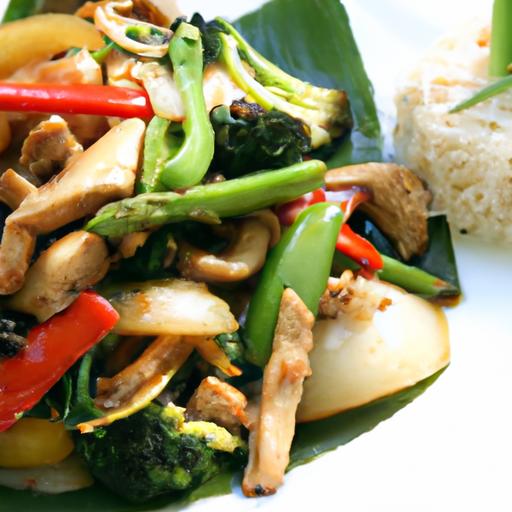

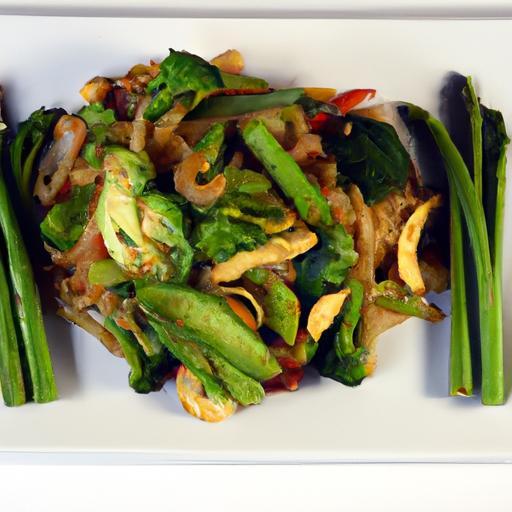
In the vibrant tapestry of Thai cuisine, few dishes capture the essence of everyday comfort and bold flavor quite like Pad Pak. This beloved stir-fry, a colorful medley of fresh vegetables tossed in savory sauces, is a testament to thailand’s knack for turning simple ingredients into culinary masterpieces. Beyond its sizzling woks and fragrant aromas lies a story of tradition, creativity, and cultural pride. Join us as we unwrap the layers of Pad Pak, exploring its origins, iconic variations, and the reasons it has earned a cherished spot on tables both in Thailand and around the world. Whether you’re a seasoned foodie or a curious newcomer, this journey into Thailand’s favorite stir-fry promises to be as flavorful and dynamic as the dish itself.
Pad Pak Unwrapped: This vibrant, fragrant stir-fry of mixed vegetables is a cornerstone of Thai cuisine, bursting with fresh flavors and endless versatility. Originating from humble street vendors to royal kitchens,Pad Pak (ผัดผัก) translates simply to “stir-fried vegetables,” yet it embodies Thailand’s deep appreciation for balance-blending sweet,salty,spicy,and umami in every bite. My first encounter with Pad Pak on bustling Bangkok streets left me enchanted by its crisp freshness and aromatic garlic notes, making it a timeless classic that’s both nourishing and comforting.
Prep and Cook Time
- readiness: 10 minutes
- Cooking: 8 minutes
- Total: 18 minutes
Yield
Serves 4 generous portions
Difficulty Level
easy – perfect for home cooks looking for a quick, healthy, and tasty Thai stir-fry
Essential Ingredients That Bring Pad Pak to Life
- 2 tablespoons vegetable oil (preferably peanut or sunflower for high heat)
- 3 cloves garlic, thinly sliced
- 1 cup broccoli florets, washed and trimmed
- 1 cup sliced carrots, cut on a diagonal
- 1 cup baby corn, halved
- 1 cup snow peas, trimmed
- 1/2 cup sliced red bell pepper
- 1/2 cup mushrooms (straw or button), sliced
- 2 tablespoons oyster sauce
- 1 tablespoon soy sauce
- 1 teaspoon sugar (palm sugar preferred)
- 1/4 teaspoon white pepper
- 1/4 cup water or vegetable broth
- Fresh Thai basil leaves or cilantro for garnish (optional)
Techniques and Tips for Perfectly Stir-Fried Vegetables
- Preheat your wok or skillet over high heat until it starts to shimmer but not smoke. This will ensure a quick sear and keep vegetables vibrant and crisp.
- Add vegetable oil and garlic, stirring rapidly for about 30 seconds until fragrant and just golden-avoid burning for best flavor.
- Introduce the hardest vegetables first-carrots, broccoli, and baby corn. Stir-fry for 2-3 minutes to start softening them without losing crunch.
- Add the softer vegetables-snow peas, bell pepper, and mushrooms. Keep tossing and stirring to coat evenly and cook through.
- Mix in oyster sauce, soy sauce, sugar, and white pepper, quickly stirring so everything is bathed in flavor.
- Pour in water or broth to create steam, cover momentarily for about 1 minute to tenderize without sogginess.
- Uncover, toss one last time for a glossy finish and remove immediately to preserve texture and vibrancy.
Recommended Variations and Pairings to Elevate Your Pad Pak Experience
- Protein additions: Toss in thinly sliced chicken, tofu cubes, shrimp, or thin slices of beef for a heartier meal.
- Spice it up: Add fresh Thai bird’s eye chilies or a splash of chili oil for heat.
- Herbal enhancement: Finish with fresh kaffir lime leaves, cilantro, or Thai holy basil for aroma and depth.
- Texture twists: Stir in roasted cashews or toasted sesame seeds for crunch.
- Pair with: Serve alongside fragrant jasmine rice or sticky rice and a bowl of Tom Yum soup for a balanced Thai feast.
Step-by-Step Instructions
- Heat a wok or large skillet over high heat until warm. Add vegetable oil and swirl to coat.
- Add garlic slices and stir-fry rapidly until they release their fragrance and turn lightly golden, about 30 seconds.
- Add carrots, broccoli, and baby corn, stir-frying for 3 minutes until they begin to soften but remain crisp.
- Add snow peas, red bell pepper, and mushrooms and continue stir-frying another 2 minutes.
- Stir together oyster sauce, soy sauce, sugar, and white pepper in a small bowl then pour over the vegetables, tossing quickly to coat evenly.
- Add water or vegetable broth,cover the wok for 1 minute to steam the veggies gently.
- Uncover, toss once more-then transfer immediately to a serving platter to maintain the luminous colors and crunch.
- Garnish with your choice of fresh herbs and serve hot.
Tips for Success
- Prep all veggies before heating the wok-stir-frying requires speed, so vegetables should be ready to go.
- Use high heat and continuous stirring-this locks in freshness and prevents sogginess.
- Do not overcrowd the pan; cook in batches if necessary to achieve even blistering and searing.
- Substitute oyster sauce with mushroom sauce for vegetarians or vegans.
- make-ahead: Prepare all chopped ingredients and sauces in advance for an ultra-quick stir-fry.
Serving Suggestions
Plate your Pad Pak as a colorful centerpiece or side dish with steamed jasmine rice or sticky rice. Garnish with a handful of fragrant Thai basil or chopped cilantro for fresh bursts of flavor and a splash of vibrant green. For a restaurant-style touch, add a wedge of lime and a small bowl of crushed peanuts or chili flakes, inviting guests to customize their bites.
| Nutrient | Per Serving |
|---|---|
| calories | 150 kcal |
| Protein | 4 g |
| Carbohydrates | 18 g |
| Fat | 7 g |
Internal Resource: For more authentic Thai dishes, explore our guide on classic Thai curries.
External Resource: Discover the cultural richness of Thai food from Tourism Authority of Thailand.

Q&A
Q&A: Pad Pak Unwrapped – Exploring Thailand’s Beloved Stir-Fry
Q1: What is Pad Pak, and why is it so popular in Thailand?
A: pad Pak, literally translating to “stir-fried vegetables,” is a vibrant Thai dish that celebrates the country’s fresh, colorful produce. It’s beloved for its perfect balance of textures and flavors-crisp veggies tossed in a savory, sometimes tangy sauce. This dish embodies the thai culinary philosophy of harmony, offering a healthy, quick, and delicious way to enjoy local ingredients.
Q2: What ingredients typically make up Pad Pak?
A: Pad Pak is wonderfully versatile,but it usually features a medley of seasonal vegetables like Chinese broccoli,carrots,bell peppers,baby corn,and mushrooms. The magic lies in the sauce-frequently enough a blend of garlic, soy sauce, oyster sauce, and a touch of sugar-stir-fried over high heat to create that irresistible umami kick.
Q3: How does Pad pak differ from other Thai stir-fries?
A: While many Thai stir-fries center around proteins like chicken or seafood, Pad Pak focuses on vegetables as the star.Its simplicity is its charm. Unlike Pad Kra Pao (holy basil stir-fry) or Pad Thai (stir-fried noodles), Pad Pak offers a light, fresh option, often enjoyed as a side dish but hearty enough to stand alone.
Q4: Is Pad Pak suitable for different dietary preferences?
A: Absolutely! Pad Pak’s adaptability caters to vegetarians,vegans,and gluten-free eaters alike. Swap oyster sauce for mushroom sauce to keep it vegan, or ensure tamari replaces soy sauce for a gluten-free kick. It’s a perfect dish to customize while still retaining that authentic Thai flair.
Q5: what tips make the perfect Pad Pak at home?
A: The secret is high heat and quick cooking! Prep your veggies uniformly for even stir-frying. Use a wok if possible to achieve that elusive “wok hei” flavor-a smoky, slightly charred aroma. Don’t overcrowd the pan; cook in batches to keep veggies crisp. lastly, taste as you go to balance salty, sweet, and umami notes to your liking.
Q6: How does Pad Pak reflect Thai culture?
A: Pad Pak mirrors Thailand’s deep connection to freshness,balance,and practicality in the kitchen. It showcases respect for nature’s bounty and the ingenuity of turning simple ingredients into something spectacular. Sharing Pad Pak is also an act of communal harmony, common to Thai dining where dishes are shared family-style, fostering connection and delight.
Q7: Can Pad Pak be paired with other Thai dishes?
A: Without a doubt! Pad Pak pairs beautifully with fragrant jasmine rice and complements richer dishes like green curry or grilled meats. Its lightness offers a refreshing counterpoint, making it a staple accompaniment in a well-rounded Thai meal.
unlocking the story behind Pad Pak reveals more than just a stir-fry-it unwraps a piece of Thailand’s heart, culture, and culinary soul. Whether you’re a kitchen novice or a seasoned foodie, this humble dish invites you to savor the simple joys of Thai cooking.
Key Takeaways
As the last savory notes of Pad Pak linger on the palate, it’s clear why this vibrant stir-fry holds a cherished place in Thailand’s culinary tapestry. More than just a medley of fresh vegetables and fragrant sauces, Pad Pak embodies a harmony of flavors that celebrates simplicity and tradition with every bite. Whether enjoyed on bustling street corners or in cozy home kitchens, this beloved dish invites food lovers to savor the essence of Thai culture one colorful stir at a time. So next time you crave a taste that’s both comforting and exciting, remember: Pad Pak isn’t just food-it’s a flavorful journey waiting to be unwrapped.