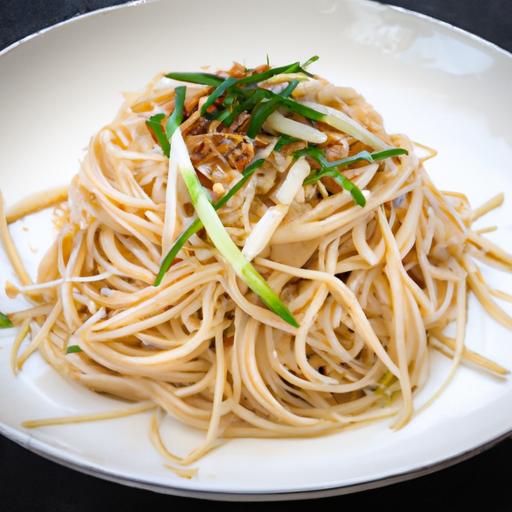

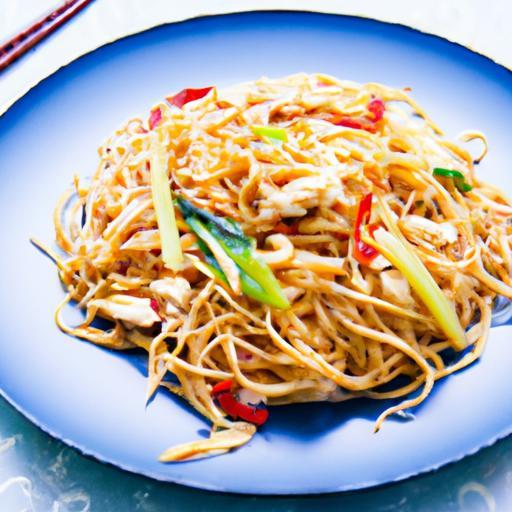
In a world woven together by flavors and stories, few culinary delights embody both simplicity and complexity quite like noodles. From the bustling street stalls of Southeast Asia to the cozy family kitchens of Italy, noodles have long been a beloved staple-each strand carrying centuries of tradition, culture, and culinary innovation.”noodles Unwrapped: A Journey Through Taste and Tradition” invites you to embark on a sensory adventure,unraveling the rich history and diverse flavors that make noodles more than just food. Join us as we explore the art, heritage, and mouthwatering variations of this humble yet remarkable dish, revealing why noodles continue to captivate hearts and palates around the globe.
Noodles Unwrapped reveals an extraordinary culinary tapestry woven from centuries-old traditions and the diverse palates of cultures around the globe. from hand-pulled strands in ChinaS bustling street markets to the delicate, artful ribbons of Italy’s pasta, noodles have transcended boundaries to become a global comfort food. In this section,we dive deep into the captivating origins and evolution of noodles,exploring unique regional varieties and their distinct flavors,sharing expert techniques for mastering homemade noodles,and uncovering the perfect pairings that elevate each bite to sublime enjoyment.
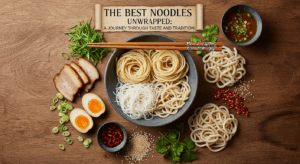
Prep and Cook Time
- Planning: 20 minutes
- Resting: 30 minutes
- Cooking: 5-8 minutes
- Total Time: 55 minutes
Yield
Serves 4 hearty portions
Difficulty Level
Medium – requires basic dough handling and patience
Ingredients
- 2 cups all-purpose flour, sifted
- 2 large eggs, room temperature
- ½ teaspoon salt
- ¼ cup water (adjust as needed)
- 1 tablespoon olive oil (optional, for pliability)
Instructions
- Prepare your workspace: Lightly dust a clean surface and a rolling pin with flour to prevent sticking throughout the process.
- Mix dough ingredients: Create a mound with the flour and salt.Make a deep well in the center, gently crack the eggs in, and add olive oil and half the water. Using a fork, whisk eggs slowly, pulling in flour from the edges.
- Knead the dough: Gradually incorporate the flour fully, then knead by hand for 8-10 minutes until the dough is smooth, elastic, and no longer sticky. Add water sparingly if dough feels dry.
- Rest the dough: Wrap the ball tightly in plastic wrap and let it rest at room temperature for 30 minutes. This relaxes the gluten, making rolling easier and texture tender.
- Roll and cut noodles: Divide the dough into four equal portions. Roll each out as thinly as possible (aim for about 1/16 inch thickness). Lightly dust with flour and fold loosely, then slice into desired widths depending on your style-thin for delicate Asian-style, thick for rustic egg noodles.
- Cook noodles: Boil a large pot of salted water. Add fresh noodles and stir gently. Cook 3-5 minutes until al dente-fresh noodles cook faster than dried.Drain and toss immediatly with sauce or a drizzle of oil to prevent sticking.
Chef’s Notes
- For silkier noodles, swap some all-purpose flour with 00 flour or semolina for texture variation.
- Adjust water according to humidity; dough should feel soft but not sticky. If sticky,add flour gradually; if too dry,add drops of water.
- Use a pasta machine for uniform thickness and speed-start at the thickest setting and move progressively thinner.
- To make gluten-free noodles, substitute wheat flour with a blend of rice and tapioca flours, adding a tablespoon of xanthan gum for elasticity.
- Make ahead: Fresh noodles can be frozen on a parchment-lined tray and stored in airtight bags for up to 2 months. Boil directly from frozen for best results.
Serving Suggestions
Pair your homemade noodles with rich, complementary sauces that enhance but don’t overpower.
- A classic garlic and chili-infused olive oil for a light, aromatic experience.
- For heartier fare, ladle over a luscious slow-simmered beef ragu or spicy Sichuan peanut sauce for bold regional authenticity.
- Fresh herbs like basil,cilantro,or parsley and a sprinkle of toasted sesame seeds add vibrant,fresh contrast.
- finish Asian styles with a drizzle of toasted sesame oil and a handful of crunchy scallions or crushed peanuts.
- Complement Italian types with shards of Parmesan or Pecorino and a few cracks of black pepper.
Visualize glossy, steaming noodles twirling gracefully on your fork, a fragrant harmony of sauces melding with tender strands-each bite a testament to centuries of global noodle artistry.
| Nutrient | Per Serving |
|---|---|
| Calories | 310 kcal |
| protein | 10 g |
| Carbohydrates | 56 g |
| Fat | 5 g |

Exploring Unique Regional Noodle Varieties and Their Distinct Flavors
Across continents, noodles tell stories in shape, texture, and flavour. The chewy Japanese Udon comforts with its thick, silky ribbons soaked in light dashi broth, while the thin, elegant Vietnamese pho rice noodles swim in fragrant, spice-laden soups. Southeast Asia flaunts pad Thai’s stir-fried rice noodles burst with tamarind tang, peanuts, and lime. In China, hand-pulled lamian displays the mastery of noodle stretching, creating tender strands with a slightly chewy bite.Simultaneously occurring, Italy’s diverse pasta shapes, from delicate angel hair to robust pappardelle, echo centuries of regional culinary pride and local sauces.
Each variety beckons a unique sauce or broth, balancing textures and seasoning in a harmony that elevates the simple noodle into an unforgettable meal.
Mastering the Art of Homemade Noodles: Techniques and Tips
Making noodles at home is deeply rewarding and surprisingly approachable with practice. Key techniques include perfecting dough consistency and knowing when it’s rested enough.use your hands to feel the right elasticity-it should spring back gently without sticking. Rolling thinly with even pressure avoids thick or uneven spots, crucial for uniform cooking.Cutting noodles evenly ensures consistent texture when cooked. Whether hand-cut or machine-aided,handling with care prevents breakage.
mastering this art invites a tactile connection with centuries of tradition, turning basic pantry staples into refined craftsmanship.
Pairing Noodles with Perfect Sauces and Ingredients for Ultimate Enjoyment
The true magic of noodles unwrapped lies in their limitless pairing possibilities. Freshly made noodles act like sponges, soaking up savory, spicy, or creamy sauces that define distinct cultural identities.Light soy-based broths shine with fresh herbs, while thick ragus cling lovingly to broad pasta. harnessing complementary flavors such as garlic, ginger, chili, herbs, or tangy vinegars transforms humble noodles into celebratory dishes.
Don’t hesitate to experiment with textures-crisp vegetables,crunchy nuts,or tender protein harmonize beautifully. Garnishes like lemon zest, grated cheese, or a drizzle of chili oil provide the final flourish, ensuring every forkful sings with balanced flavour.
For further inspiration on pasta varieties, visit Pasta.com’s comprehensive guide. For an enriching dive into noodle history, see the Smithsonian’s excellent overview here.
Explore more techniques and recipes in our detailed Handmade pasta Techniques article to expand your noodle mastery on this flavorful journey.
Q&A
Q&A: Noodles Unwrapped: A journey Through taste and Tradition
Q1: What inspired the exploration of noodles in this article?
A1: Noodles are more than just a staple food; they are a tasty thread woven through countless cultures and centuries. The article was inspired by the rich history, diverse varieties, and the deep cultural significance that noodles carry around the world. It’s a journey that unwraps not only flavors but stories of tradition and innovation.
Q2: How far back can noodle-making be traced historically?
A2: Noodle-making is believed to date back over 4,000 years, with one of the oldest known examples unearthed in China. Ancient pottery fragments revealed strands of millet noodles, suggesting that this humble food has nourished civilizations since the dawn of culinary creativity.
Q3: What are some iconic noodle varieties featured in the article?
A3: The article celebrates an array of noodle types including Italy’s silky pasta, Japan’s delicate soba, Vietnam’s vibrant pho noodles, and the hearty wheat strands of Chinese lamian. Each variety carries its own tale – from the wheat fields and rice paddies to bustling street food stalls.Q4: How do noodles reflect cultural traditions?
A4: Noodles frequently enough symbolize longevity, prosperity, and community in many cultures. For example, in Chinese tradition, long noodles are eaten on birthdays to bless a long life. Similarly, in Japan, soba noodles are enjoyed on New Year’s Eve as a symbolic gesture of letting go of the past year’s hardships. These customs highlight noodles as more than food-they are edible traditions.
Q5: Have modern innovations changed the way noodles are made or enjoyed?
A5: Absolutely! While customary methods still thrive, modern technology has introduced instant noodles and creative fusions like ramen burgers and noodle salads. Chefs worldwide experiment by blending flavors and textures, turning noodles into an art form that honors heritage while embracing contemporary tastes.
Q6: What makes noodles so universally beloved?
A6: Part of noodles’ universal appeal lies in their versatility and comfort. They can be light or hearty, simple or complex, adaptable to countless cuisines and personal preferences. More than that, noodles carry an inviting warmth, a nostalgic quality that resonates at bustling family dinners and quiet solo meals alike.
Q7: What can readers expect to take away from this article?
A7: Readers will gain not only an thankfulness for noodles’ diverse flavors but also an understanding of their deep cultural roots. The article invites readers to savor history with every bite and perhaps inspire them to explore new noodle dishes, honoring tradition while tasting adventure.
The Way Forward
As our flavorful journey through the world of noodles comes to a close, we find that these humble strands are more than just a staple on our plates-they are threads woven deeply into the cultural tapestries of countless societies. From the hand-pulled wonders of China to the hearty bowls of Italy’s pastas, noodles tell stories of tradition, innovation, and shared human experience. Whether savored in a bustling street market or crafted meticulously in a family kitchen, each bite connects us to centuries of craftsmanship and the universal joy of food.So next time you twirl your fork or lift your chopsticks, remember: you’re not just enjoying a meal-you’re partaking in a delicious legacy that spans the globe.