

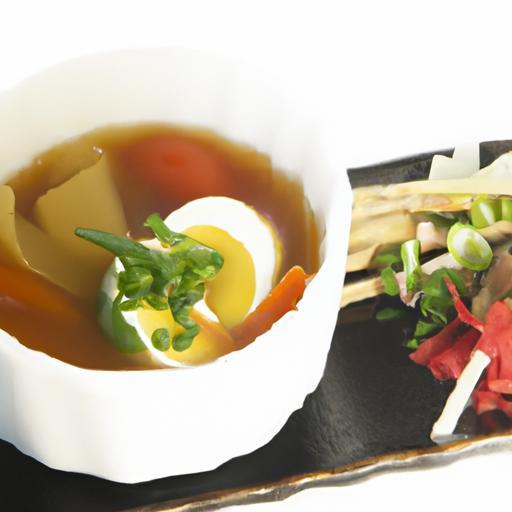
In the heart of Japanese cuisine lies a humble bowl of miso soup-a simmering symphony of flavors that has warmed generations and captivated palates around the world. More than just a simple broth, miso soup is a masterclass in umami, the elusive “fifth taste” that transforms ordinary ingredients into a rich, comforting experience. From its ancient origins steeped in tradition to its modern-day variations,unlocking the secrets of miso soup reveals not only the essence of Japanese culinary art but also the profound cultural stories stirred within each savory spoonful.Join us as we dive into the depths of this iconic comfort broth, exploring the ingredients, techniques, and timeless appeal that make miso soup a beloved staple across continents.
Unlocking Miso Soup: Japan’s Umami-Packed Comfort Broth is a journey into one of Japan’s most cherished culinary treasures. This deceptively simple soup carries centuries of tradition and embodies the soul-soothing umami flavor that has enchanted palates worldwide.From the ancient Buddhist monasteries where it first gained prominence to the bustling kitchens of modern Japan, miso soup represents comfort, health, and a celebration of natural flavors. as you delve into this recipe, you’ll uncover secret tips and key ingredients that transform everyday broth into a fragrant bowl of nourishing delight.
Prep and Cook Time
- Preparation: 10 minutes
- Cooking: 15 minutes
- Total: 25 minutes
Yield
Serves 4 generously
Difficulty Level
Easy – perfect for beginners eager to explore authentic Japanese flavors
Essential Ingredients for Crafting Authentic Miso Broth
- 5 cups dashi stock (preferably homemade kombu and bonito for that rich umami base)
- 3 tablespoons white miso paste (shiro miso, smooth and mildly sweet)
- 1/2 cup silken tofu, diced into bite-sized cubes
- 2 tablespoons wakame seaweed, dried
- 2 green onions, thinly sliced
- Optional: enoki mushrooms, thinly sliced daikon, or thin strips of carrot for added texture and freshness
Step-by-Step Instructions
- Prepare the dashi stock: If making from scratch, soak a 4-inch square of kombu in cold water for 30 minutes, then gently heat before removing kombu. Add bonito flakes, simmer briefly, then strain. For convenience, use quality instant dashi powder dissolved in hot water.
- Rehydrate wakame: Place dried wakame in cold water for about 5 minutes until tender and expanded, then drain well.
- Heat the dashi: Pour the dashi into a medium saucepan over medium heat and bring to a gentle simmer.
- Dissolve the miso paste: ladle about 1 cup of warm dashi into a small bowl. Add the miso paste and whisk until smooth and fully dissolved-this prevents clumping in your soup.
- Combine miso mixture into broth: Lower the heat to avoid boiling, then slowly stir the miso mixture back into the saucepan. Keep the soup warm without boiling to preserve the delicate probiotic nature of miso.
- Add tofu and wakame: Gently fold in the diced tofu and rehydrated wakame. Warm through for 2-3 minutes without boiling.
- Finish with green onions: Remove from heat and garnish with fresh green onions for a burst of colour and mild sharpness.
Tips and Tricks to Elevate your Homemade Miso Soup
- Choose your miso wisely: White miso is mild and slightly sweet, complementing delicate broths. Red or mixed miso adds robustness but is best for heartier versions.
- Control heat carefully: Never let miso soup boil after adding the paste; high heat can kill beneficial bacteria and alter the flavor.
- Add texture thoughtfully: Experiment with seasonal vegetables like thinly sliced shiitake or fresh spinach, adding them near the end of cooking.
- Make ahead and store: Keep dashi stock refrigerated for up to 3 days and add miso fresh when reheating for optimal flavor.
- Visual styling: Use bright green wakame and vibrant sliced scallions to create contrast; add a few drops of toasted sesame oil for a subtle nutty aroma.
Serving Suggestions
Serve your miso soup steaming hot in traditional lacquered bowls for authenticity. add a few delicate slices of fresh shiitake mushroom or enoki to float on the surface. Garnish with a sprinkle of toasted sesame seeds or a small mound of freshly grated ginger for added depth. Pair this umami-packed broth with a side of steamed jasmine rice and pickled vegetables for a balanced, comforting meal.For a festive touch, consider adding tiny cubes of abura-age (fried tofu) or a delicate spiral of fresh yuzu zest to awaken the senses.

| Nutrient | Per Serving |
|---|---|
| Calories | 85 |
| Protein | 6g |
| Carbohydrates | 7g |
| Fat | 3g |
Discover other Japanese soul foods with our authentic ramen recipe guide, and deepen your culinary knowledge. For more about the art and science behind kombu, dashi, and miso, visit the Japan Guide on Japanese Dashi, a trusted resource for authentic Japanese cuisine.
Q&A
Q&A: Unlocking Miso Soup – Japan’s Umami-Packed Comfort Broth
Q1: What exactly is miso soup, and why is it so beloved in Japan?
A1: Miso soup is a traditional Japanese broth made from dashi stock and miso paste, a fermented soybean blend. Its deeply cherished because it’s more than just a soup-it’s a daily ritual that delivers warmth, nourishment, and a harmonious balance of savory umami flavors that comfort both body and soul.
Q2: What gives miso soup its famous umami flavor?
A2: The umami magic comes from a symphony of ingredients. The miso paste itself is rich in glutamates, thanks to the fermentation of soybeans.The dashi stock-often made from kombu seaweed and bonito flakes-adds layers of savory depth. Together, they create that irresistible, mouth-filling taste that defines Japanese cuisine’s signature savoriness.
Q3: Are there different types of miso used in the soup?
A3: Absolutely! miso varies widely, from pale white (shiro miso), which is mild and sweet, to darker red (aka miso), which boasts a robust, fermented punch. Each type brings a unique personality to the soup, allowing for regional variations and personal preferences that keep miso soup endlessly versatile.
Q4: Can miso soup be customized, or is it always served the same way?
A4: Miso soup is wonderfully adaptable. While the classic version includes tofu, wakame seaweed, and scallions, many home cooks and chefs add mushrooms, daikon radish, clams, or even seasonal vegetables.This flexibility means miso soup evolves with the seasons and the eater’s creativity, while always maintaining its comforting essence.
Q5: Is miso soup healthy?
A5: Yes, miso soup is a nutritional powerhouse! It’s packed with probiotics from fermentation, which support gut health, and contains vitamins, minerals, and antioxidants from the miso and added ingredients. Plus, it’s typically low in calories and fat, making it a wholesome, revitalizing start to any meal.
Q6: How do you make authentic miso soup at home?
A6: the secret to authentic miso soup is simplicity and respect for ingredients. Begin by making or sourcing a quality dashi stock, then gently dissolve your chosen miso paste-never boiling it, to preserve flavor and probiotics. Add tofu, seaweed, and scallions last for a fresh finish.The process is speedy but mindful, celebrating the beauty of umami in every spoonful.
Q7: Why is miso soup considered a comfort food in Japan?
A7: Miso soup is woven into the fabric of Japanese daily life. It’s frequently enough the first thing served at breakfast and a staple at every meal, evoking a sense of home and tradition. Its warm, nurturing qualities soothe the body and spirit, making it the ultimate comfort food-a bowl of simple, savory calm in a busy world.
Q8: Can miso soup be enjoyed by people with dietary restrictions?
A8: Definitely! Miso soup is naturally gluten-free if you use gluten-free miso. It’s also vegetarian or vegan if made with kombu dashi rather of fish-based broth. It’s an inclusive dish that can be tailored to fit many dietary needs without sacrificing its essential flavor and soul.
Unlock the magic of miso soup, and you unlock a little corner of Japanese culinary heritage-one that’s steeped in umami, tradition, and heartfelt comfort.
Final Thoughts
As the steam rises from a humble bowl of miso soup, it carries with it centuries of tradition, culture, and a masterful balance of umami flavors that comfort the soul and awaken the palate. Unlocking the secrets behind this beloved Japanese broth reveals not just a simple dish, but a culinary philosophy rooted in harmony and nourishment. Weather enjoyed in a bustling Tokyo eatery or crafted lovingly at home, miso soup remains a timeless invitation-to pause, savor, and connect with the rich tapestry of Japan’s umami-packed comfort. So next time you dip your spoon into this golden elixir, remember: you’re tasting more than soup-you’re experiencing a savory story centuries in the making.