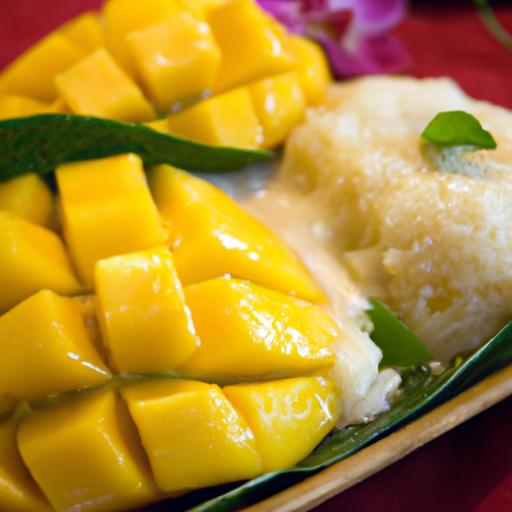

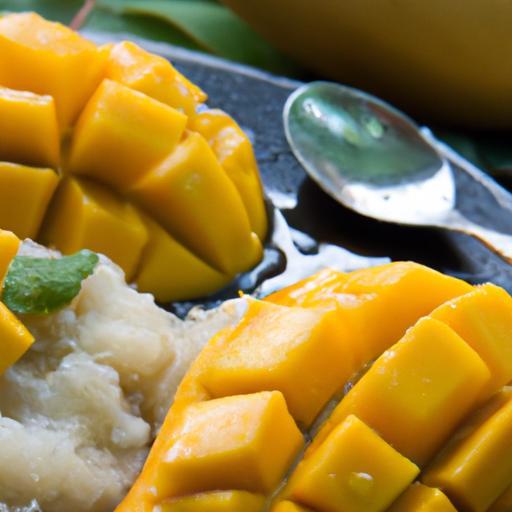
Golden mangoes glistening beside a mound of perfectly steamed sticky rice, drizzled with luscious coconut cream-this is the iconic image of Mango Sticky Rice, ThailandS beloved dessert that dances on the palate with its harmonious blend of flavors and textures. More then just a sweet treat, Mango Sticky Rice is a culinary symbol that captures the essence of Thai culture: simple ingredients transformed into a symphony of taste and tradition. In this article, we’ll unravel the story behind this creamy delight, explore its unique components, and discover why it continues to enchant locals and travelers alike around the world.
Mango Sticky Rice is not just a dessert; it’s a symbol of the vibrant flavors and rich culture woven into Thai cuisine. Originating from the lush regions of Thailand,this sweet and creamy delight has captivated taste buds globally with its harmonious blend of fragrant sticky rice,luscious ripe mangoes,and velvety coconut sauce. This classic treat embodies Thai hospitality and seasonal abundance, often enjoyed during mango harvest season as a festivity of nature’s bounty.
Prep and Cook Time
- Planning Time: 20 minutes
- Cooking Time: 40 minutes
- Total Time: 1 hour
Yield
- Serves 4 flavorful portions
Difficulty Level
- easy to Medium – approachable for home cooks with basic skills
Ingredients
- 1 cup glutinous (sticky) rice, rinsed thoroughly until water runs clear
- 1 1/2 cups coconut milk (full-fat for the richest flavor)
- 1/2 cup granulated sugar
- 1/4 teaspoon salt
- 2 ripe mangoes, peeled and sliced thinly
- 1 tablespoon toasted sesame seeds or mung beans, for garnish
- Extra coconut milk warmed, for drizzling
Instructions
- Soak the sticky rice in cold water for at least 4 hours or overnight.This softens the rice and ensures even cooking.
- Drain the rice and steam it in a bamboo steamer or metal sieve over boiling water for 25-30 minutes, stirring halfway through to avoid clumping.
- While the rice cooks, combine coconut milk, sugar, and salt in a saucepan over low heat.Stir gently until sugar dissolves, but do not boil. Remove from heat.
- Once rice is tender, transfer it to a large bowl. Promptly pour 1 cup of the sweetened coconut milk over the hot rice and gently fold to combine. Cover and let it absorb the liquid for 20-30 minutes.
- Prepare the mangoes by peeling and slicing them lengthwise into gorgeous, thin pieces, ready to nestle beside the sticky rice.
- To serve,scoop a hearty portion of sticky rice onto a plate,arrange mango slices artfully alongside,and drizzle with reserved warm coconut milk. Sprinkle toasted sesame seeds or mung beans on top for a subtle crunch and nutty aroma.
Chef’s Notes & Tips for Success
- Choosing Rice: Always use glutinous or sticky rice, never jasmine rice-it’s the key to that signature dense, chewy texture.
- Perfect Mangoes: Look for mangoes that yield slightly to gentle pressure with a sweet fragrance.Varieties like Nam Dok Mai or Ataulfo are ideal.
- Adjust Sweetness: Modify sugar levels in the coconut sauce to suit your palate, keeping in mind the natural sweetness of the mango.
- Make Ahead: Coconut sticky rice can be made up to a day early, stored covered at room temperature, and gently reheated by steaming or microwaving with a splash of water.
- Enhance Texture: For an extra layer of flavor, sprinkle a handful of toasted grated coconut or crushed roasted peanuts on top before serving.
Serving Suggestions
Serve this dessert on beautiful ceramic plates or conventional banana leaves to embrace authentic Thai presentation. Pair with a refreshing Thai iced tea or a light jasmine tea to balance the creaminess. For added flair, garnish with edible flowers like orchids or fresh mint leaves, elevating each bite into a multisensory experience. This mango sticky rice is perfect for warm evenings, festive gatherings, or anytime you crave a taste of tropical sunshine.
| Nutrient | Per Serving |
|---|---|
| Calories | 320 kcal |
| Protein | 4 g |
| Carbohydrates | 62 g |
| Fat | 6 g |

For an in-depth look at sticky rice and its culinary heritage, visit Thai Travel Blogs. To enrich your experience further, check out our guide to authentic Thai desserts.
Q&A
Mango Sticky Rice: Thailand’s Sweet & Creamy Delight Explained
Q&A Edition
Q1: What exactly is mango sticky rice?
A1: Mango sticky rice, or khao niao mamuang in Thai, is a traditional dessert that marries the velvety creaminess of coconut-infused sticky rice with the luscious sweetness of ripe mango slices. It’s a dish that sings of tropical sunshine and warm, festive afternoons in Thailand.
Q2: Why is sticky rice used instead of regular rice?
A2: Sticky rice, also known as glutinous rice, has a unique texture-chewy, slightly sticky, and wonderfully dense-that holds coconut milk beautifully. Unlike fluffy jasmine rice, sticky rice acts like a plush, sweet sponge, soaking up rich sauces and enhancing the dessert’s indulgent character.
Q3: How is the sticky rice prepared for this dessert?
A3: The sticky rice is traditionally soaked overnight, then steamed to perfect tenderness.While steaming, thick coconut milk sweetened with sugar and a pinch of salt is simmered separately and then poured over the hot rice, allowing it to absorb the creamy sauce and achieve its signature lusciousness.
Q4: What kind of mango is best for mango sticky rice?
A4: The star mango is typically the Nam Dok Mai or Keo Savoy variety-fragrant, golden-yellow, and irresistibly sweet. These mangoes have a juicy flesh that harmonizes beautifully with the richness of the coconut sticky rice, creating a balance of flavors and textures.
Q5: Is mango sticky rice served hot or cold?
A5: Traditionally, mango sticky rice is served at room temperature or slightly warm. The sticky rice, warm and fragrant, contrasts delightfully with the cool, refreshing mango slices. This temperature dance adds to the dessert’s allure.
Q6: Are there any toppings or extras that make mango sticky rice even better?
A6: Absolutely! Toasted mung beans or sesame seeds are sprinkled atop for a subtle crunch. Sometimes a drizzle of coconut cream or a pinch of salt enhances the flavors further, creating a perfectly layered taste experience.
Q7: Can mango sticky rice be enjoyed year-round?
A7: While mango season in Thailand peaks between April and June, mango sticky rice is so beloved that it’s often enjoyed whenever mangoes are available. Outside of mango season, some variations use other tropical fruits, but nothing quite matches the classic.
Q8: What makes mango sticky rice so special in Thai culture?
A8: Beyond being a beloved street food treat, mango sticky rice embodies Thailand’s love for striking flavor contrasts-sweet, salty, creamy, and fruity. It’s more than a dessert; it’s a sensory celebration that brings people together, often shared during festive occasions like Songkran (Thai new Year).
Q9: Can I try making mango sticky rice at home?
A9: Definitely! Though it requires a bit of patience for soaking and steaming, mango sticky rice is wonderfully rewarding to make. The secret lies in choosing the right sticky rice and ripe mangoes, and thoughtfully balancing the sweetness and saltiness of the coconut sauce.
Q10: What’s the best way to enjoy mango sticky rice?
A10: Sit back, savor each bite slowly, and let the creamy coconut soak into the chewy rice while the mango’s juicy sweetness refreshes your palate. Whether street-side in Bangkok or at home around your own table, it’s an experience that transports you straight to Thailand’s sun-drenched shores.
Ready to indulge? grab a mango, soak some sticky rice, and taste the tropical magic of Thailand’s sweetest secret!
To Wrap It Up
As the last sticky grains of mango sticky rice linger on your palate, you begin to understand why this humble dessert has captured the hearts of locals and travelers alike. More than just a sweet treat, it’s a harmonious blend of textures and flavors-fragrant jasmine rice, luscious coconut cream, and sun-ripened mango-that tells a story of Thailand’s rich culinary heritage. Whether enjoyed from a bustling street vendor or crafted in a home kitchen, mango sticky rice remains a timeless symbol of Thai hospitality and the simple joy found in every bite. So next time you savor this creamy delight,remember: you’re not just tasting a dessert-you’re experiencing a tradition.