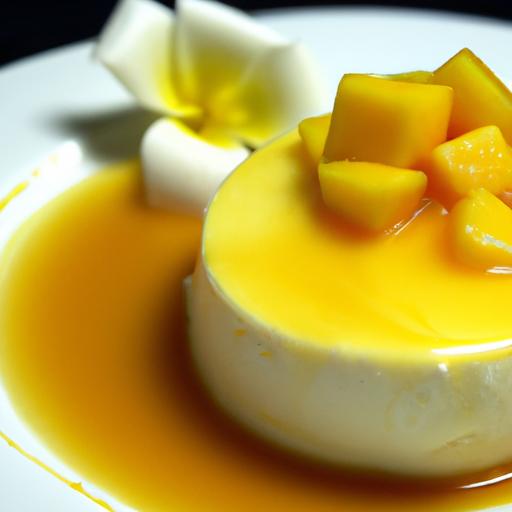

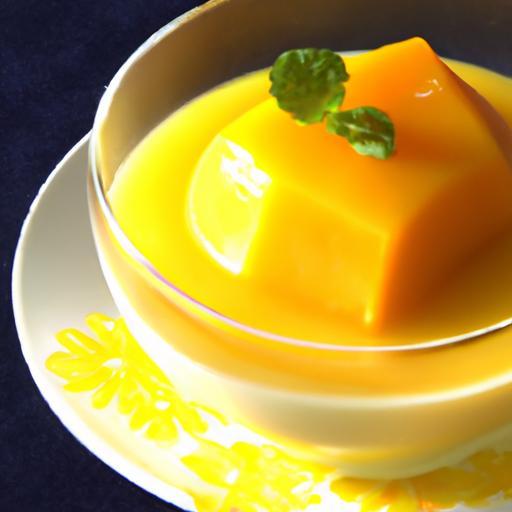
There’s a captivating charm in the way mango pudding melts on your tongue-sweet, silky, and utterly enchanting. This beloved dessert, cherished across continents and cultures, transforms the humble mango into a luscious treat that feels like a tropical dream in every spoonful. In “Mango Pudding Magic: Sweet, Silky, and Simply Irresistible,” we’ll dive into the origins, the art of perfect preparation, and the secret touches that elevate this classic dessert from simple sweetness to unforgettable indulgence.Whether you’re a seasoned kitchen maestro or an eager novice, prepare to unlock the magic of mango pudding and discover why it continues to captivate dessert lovers around the world.
The Art of Achieving Silky Smooth Mango Pudding Texture
Mango pudding magic begins wiht mastering that irresistibly silky smooth texture that melts on your tongue, showcasing mango’s lush essence in every luscious bite. Achieving this delicate consistency requires a combination of selecting the perfect mangoes, balancing sweetness, and employing precise techniques to bring out the natural creaminess without any graininess or lumps.
Choosing the Perfect Mangoes for Maximum Flavor Impact
The key to extraordinary mango pudding magic is starting with ripe, fragrant mangoes bursting with flavor. Aim for varieties like Alphonso, Kent, or Ataulfo, prized for their buttery texture and intense sweetness. Mangoes should yield slightly to gentle pressure and emit a tropical aroma-the scent alone promises the decadence inside. Avoid underripe or fibrous fruits, as these can disrupt the pudding’s smooth consistency.
For the best flavor, peel and pit the mangoes carefully, then blend the flesh into a creamy puree. Straining the puree through a fine mesh sieve removes any fibrous strands, ensuring a flawless silkiness in your pudding.
Sweetening Strategies That Elevate Every Spoonful
The balance of sweetness in mango pudding magic can make or break its allure. While ripe mangoes provide natural sugars, a touch of sugar or condensed milk boosts creaminess and enhances the mango’s tropical notes. Consider using gourmet palm sugar or honey for a complex, nuanced sweetness that harmonizes with the fruit’s brightness.
Incorporating evaporated milk or coconut milk adds dimension and helps achieve the velvety texture that distinguishes a professional mango pudding. Adjust the sugar based on the mango variety and your preferred sweetness level, tasting the mixture before setting it to gel.
creative Garnishes and Serving Suggestions to Impress Your Guests
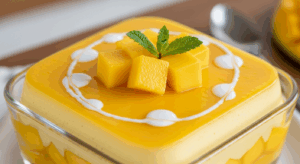
Presentation elevates mango pudding magic from simple dessert to dazzling showstopper. Serve chilled in elegant glass ramekins or obvious cups to showcase its golden hue and silky surface. Garnish with a sprig of fresh mint, a few uniquely shaped mango slices, or a dusting of edible flower petals for visual intrigue.
For a burst of texture, sprinkle toasted shredded coconut, crushed pistachios, or a drizzle of passion fruit syrup.Pairing this pudding with a chilled jasmine green tea complements its tropical sweetness beautifully and refreshes the palate.
Prep and Cook Time
- Preparation: 15 minutes
- Chilling: 4 hours (or overnight)
- Total Time: 4 hours 15 minutes
Yield
Serves 6 elegantly sized portions
difficulty Level
Easy – perfect for home cooks seeking a gourmet touch
Ingredients
- 500g ripe mango flesh (about 3 large mangoes, peeled and pitted)
- 250ml whole milk
- 150ml heavy cream
- 100g granulated sugar (adjustable to taste)
- 10g gelatin powder
- 50ml hot water
- 1 tsp lemon juice
- Optional: 2 tbsp sweetened condensed milk or coconut milk for extra silkiness
Instructions
- Bloom the gelatin: Sprinkle gelatin powder evenly over hot water in a small bowl. Let it sit for 5 minutes until fully absorbed and softened.
- Puree the mango: In a blender, combine mango flesh with lemon juice and sugar. Blend until entirely smooth. Strain through a fine sieve to remove fibers for a silky texture.
- Prepare the cream base: In a saucepan, gently warm milk and cream on low heat. stir constantly to avoid scalding. Remove from heat before boiling.
- Incorporate the gelatin: Stir the softened gelatin into the warm cream mixture until fully dissolved and smooth.
- Combine mango puree: Slowly whisk the mango puree into the cream-gelatin blend,ensuring uniform integration without lumps.
- Adjust sweetness: Taste the mixture and add additional sugar or condensed milk if desired, blending gently.
- Set and chill: Pour mixture into serving molds or ramekins. Cover and refrigerate for at least 4 hours,preferably overnight,until fully set and luscious.
- Serve with flourish: Unmold gently if desired, or serve directly with your chosen garnishes.
Tips for Success
- Temperature matters: Avoid boiling the cream mixture as gelatin quickly loses setting power if overheated.
- Perfect ripeness: Use only ripe mangoes to avoid graininess and ensure natural sweetness.
- Make ahead: Mango pudding magic improves with time; refrigerate overnight for best texture and flavor melding.
- Non-dairy options: Substitute dairy cream and milk with coconut cream and almond milk for a dairy-free version.
- Gelatin alternatives: For a vegetarian option, agar powder might potentially be used but requires different handling and setting times.
Serving Suggestions
Present your mango pudding magic in crystal-clear glasses to celebrate its golden color. Top with:
- Thinly sliced mango ribbons or star-shaped cut mango pieces
- Fresh mint leaves or edible microgreens
- Toasted coconut flakes or pistachio crumbs for crunch contrast
- A drizzle of passion fruit pulp or honey for extra brightness
Complement with a small scoop of vanilla bean ice cream or a refreshing herbal tea for a multi-dimensional dessert experience.
| Nutrient | Per Serving |
|---|---|
| Calories | 220 kcal |
| Protein | 4 g |
| Carbohydrates | 28 g |
| Fat | 10 g |

For more tropical dessert inspiration, don’t miss our Tropical Fruit Desserts collection.
Q&A
Q&A: Mango Pudding Magic – Sweet, Silky, and Simply Irresistible
Q1: What makes mango pudding such a beloved dessert around the world?
A1: Mango pudding captivates with its luscious blend of tropical sweetness and velvety texture.It’s a sensory delight that combines the sunshine flavor of ripe mangoes with a silk-smooth consistency, creating a dessert that feels both refreshing and indulgent. Its balance of sweetness without being overpowering, along with a creamy mouthfeel, makes it universally adored.
Q2: How is mango pudding traditionally made?
A2: Traditionally, mango pudding is crafted by pureeing ripe mangoes and mixing them with a base of cream, milk, or coconut milk, along with sugar for sweetness. Gelatin or agar agar is then added to set the mixture into a jiggly, silky custard-like form. The magic lies in achieving the perfect texture-not too firm, not too soft-so each spoonful melts effortlessly on the tongue.
Q3: Can mango pudding be made vegan or dairy-free?
A3: Absolutely! The vibrant flavors of mango really shine nonetheless of the base used. For vegan or dairy-free versions, coconut milk or almond milk are excellent substitutes for cream. Agar agar, a plant-based gelling agent derived from seaweed, replaces gelatin, maintaining that signature wobble and silkiness without any animal products.
Q4: What are some creative twists to elevate the classic mango pudding?
A4: Mango pudding offers endless room for creativity. You can play with layering it with passionfruit jelly for a tangy contrast or topping it with toasted coconut flakes for added texture. Incorporating a hint of lime zest can bring brightness, while a drizzle of chili-infused syrup introduces an unexpected spicy kick. Even swirling in a ribbon of cream or blending in fresh mint leaves can transform the experience.
Q5: why is the texture of mango pudding so important, and how can one perfect it?
A5: Texture is the heart of mango pudding’s magic-silky, smooth, and just firm enough to hold its shape. Achieving this entails careful measurement of gelling agents and chilling time.Too much gelatin and it becomes rubbery; too little and it won’t set properly. Gentle folding to preserve airiness and chilling in a cool environment also enhances the dessert’s delicate mouthfeel.
Q6: How does mango pudding fit into different culinary traditions?
A6: While frequently enough associated with Cantonese cuisine and Hong Kong’s vibrant dessert culture, mango pudding has journeyed across borders and embraced diverse interpretations. in tropical countries, it’s a common summer treat, while fusion chefs incorporate local fruits and spices to personalize the pudding. It stands as a symbol of tropical bliss, sweetness, and festivity across borders.
Q7: Where can beginners start if they want to try making mango pudding at home?
A7: Beginners should start with a simple recipe: fresh ripe mangoes, sugar, cream or coconut milk, and gelatin or agar agar.Puree the mangoes, dissolve the gelatin gently, mix all ingredients, and pour into molds. Chill for several hours until set. From there, experimenting with flavors, textures, and presentation can be a joyous journey into the magic of mango pudding.
Enveloped in sunshine hues and silk-like charm, mango pudding isn’t just a dessert-it’s an enchanting experience waiting to be savored spoonful by spoonful.
In Summary
As the last spoonful of mango pudding melts effortlessly on your tongue,you’re left with more than just a sweet aftertaste-it’s the lingering memory of a dessert that perfectly balances tropical zest with creamy indulgence. Whether enjoyed on a sunny afternoon or as a dazzling finale to a festive meal, mango pudding proves time and again that simplicity can be utterly magical. So next time you crave a treat that’s both silky and sensational, remember this golden delight-because in the world of desserts, mango pudding is nothing short of pure enchantment.