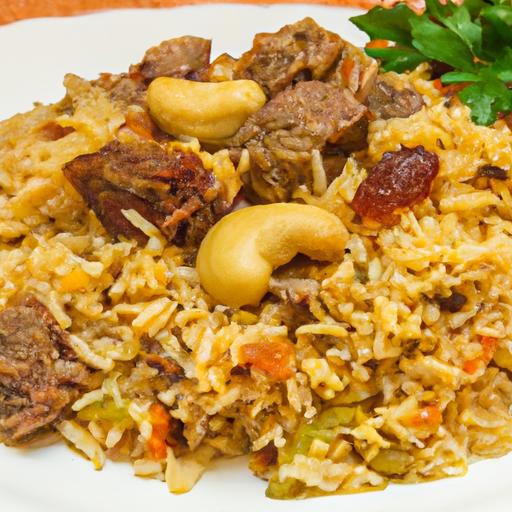

There’s a certain magic in the kitchen when ingredients come together to tell a story – and few dishes capture this as vividly as plov,the beloved rice pilaf that has traveled through centuries and cultures to become a timeless culinary treasure. Whether simmered with tender, aromatic lamb or hearty beef, plov is more than just a meal; it’s an experience of warmth, tradition, and rich flavors woven into every grain. Join us as we embark on a delectable journey through the origins, variations, and secrets of crafting the perfect plov, discovering why this humble yet majestic dish continues to captivate taste buds and hearts around the world.
Savoring Plov: A Delectable Journey with Lamb or Beef Rice Pilaf unlocks centuries of culinary tradition in every fragrant bite. Originating from Central Asia, plov is more than just a rice dish-it’s a vibrant symbol of hospitality, culture, and festivity shared across Uzbekistan, Kazakhstan, and neighboring regions. The marriage of tender meat, aromatic spices, and perfectly cooked rice creates a harmony that has captivated families and festivals alike. My first encounter with plov was at a bustling market in Tashkent, where the smoky scent of lamb mingled with toasted cumin sparked an instant craving that inspired me to recreate this masterpiece in my own kitchen.
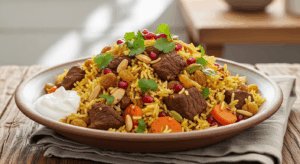
Selecting the Perfect Cut of Lamb or Beef for Authentic Flavor
When it comes to crafting an authentic plov, the choice of meat sets the foundation. For rich, succulent flavor, opt for lamb shoulder or leg; these cuts offer a balance of tenderness and marbling that infuses the entire dish with depth.Alternatively, if you prefer beef, chuck roast or brisket works beautifully, slowly breaking down to a melt-in-your-mouth texture. Avoid leaner cuts like sirloin, as they may dry out during the slow cooking process crucial to plov’s character. Cubing your meat into uniform 1- to 1.5-inch pieces ensures even cooking and optimal juiciness.
Mastering the Art of Spices and Aromatics to Elevate Your Pilaf
signature plov aromas are achieved through a meticulous blend of spices and aromatics. Cumin, coriander seeds, and black peppercorns toasted lightly before adding bring forward toasted, earthy notes, while garlic cloves and onions deeply caramelize, creating a rich flavor base. Saffron or turmeric lends that iconic golden hue and subtle warmth, but a pinch of paprika or even cinnamon can add intriguing complexity.Remember, the trick lies in layering these flavors gradually-start by frying the onions and garlic to a deep amber, then add spices to bloom their oils and aromas before mixing in meat and rice.
Techniques for Achieving the Ideal Texture in Every Grain of Rice
Plov’s hallmark is the fluffy, separate grains of rice that soak up flavorful juices without becoming sticky or mushy.Choosing long-grain rice such as basmati or Uzbek rice varieties like devzira is essential. Rinsing the rice thoroughly under cold water until the water runs clear removes excess starch that causes clumping. Parboiling the rice until it’s just underdone ensures it finishes perfectly once nestled atop the simmering meat and broth. Cooking plov with a heavy-bottomed pot, and sealing the lid tightly, traps steam and prevents moisture loss, allowing the rice to gently absorb intricate flavors. A final resting period off heat sets the texture, allowing the grains to settle beautifully.
Prep and Cook Time
- Preparation: 25 minutes
- Cooking: 1 hour 15 minutes
- Total time: 1 hour 40 minutes
Yield
Serves 6 generously
Difficulty Level
Medium – rewarding yet approachable for home cooks ready to dive into authentic flavors
Ingredients
- 1.5 lbs lamb shoulder, cut into 1-inch cubes (or beef chuck)
- 2 cups long-grain basmati rice, rinsed and soaked 30 minutes
- 1 large onion, finely sliced
- 4 garlic cloves, peeled and halved
- 1 large carrot, julienned or grated
- 4 tbsp vegetable oil or lamb fat
- 1 tsp ground cumin
- 1 tsp coriander seeds, crushed
- 1 tsp paprika
- 1/2 tsp black peppercorns
- Pinch of saffron threads (optional, soaked in 2 tbsp warm water)
- 4 cups water or beef broth
- Salt, to taste
- Fresh cilantro or parsley, for garnish
Instructions
- Prepare your rice: Rinse the basmati rice under cold water until clear, then soak for 30 minutes to ensure even, fluffy cooking.
- Brown the meat: Heat 3 tablespoons oil in a heavy-bottomed pot over medium-high heat. Add lamb cubes in batches, avoiding overcrowding, and brown all sides until caramelized-about 6 minutes per batch. Remove and set aside.
- Sauté aromatics: Add remaining oil; reduce heat to medium. Stir in sliced onions and cook until golden brown and soft, about 10 minutes. Add garlic and carrots, cooking another 5 minutes to marry their flavors.
- Toast spices: Stir in cumin, crushed coriander seeds, paprika, and peppercorns. Cook briefly until fragrances bloom, about 1 minute. Pour in saffron water, if using, to add warmth and gorgeous color.
- Return meat to pot: Nestle meat back into the aromatic mixture, stirring to coat well. Pour in broth or water and bring to a boil.Reduce heat to low; cover and simmer gently for 40 minutes until meat is tender.
- Add the rice: Drain rice and carefully layer it evenly over the meat and broth; do not stir.Increase heat to medium and cook uncovered until rice absorbs moast liquid, about 10 minutes.
- Steam to perfection: Reduce heat to very low, cover tightly with a lid, and cook for another 20 minutes. This steams the rice, creating individual fluffy grains soaked with flavor.
- Rest and serve: Remove from heat and let stand covered for 10 minutes before fluffing gently with a fork. Garnish with fresh herbs and serve warm.
Tips for Success
- Meat Swap: For a leaner option,try boneless chicken thighs,adjusting cooking times accordingly.
- Rice Choice: If you can’t find basmati, jasmine rice can work but monitor water levels carefully to avoid stickiness.
- Broth Boost: Use homemade beef or lamb broth for a naturally deeper flavor.
- Make Ahead: Plov often tastes better the next day as flavors meld; reheat gently with a splash of broth to restore moisture.
- Spice Variations: Experiment with a cinnamon stick or star anise for a subtle aromatic twist.
Serving Suggestions
Present your plov directly from the pot family-style to emphasize its communal roots. Garnish with a scattering of fresh cilantro and a few crisp, thinly sliced radishes or pickled vegetables for a refreshing contrast. Serve alongside a bowl of tangy yogurt sauce or a light cucumber salad to balance the richness of the meat and spices. Don’t forget crusty flatbread to scoop up every last morsel!

| Nutrient | Per Serving |
|---|---|
| Calories | 520 kcal |
| Protein | 32 g |
| Carbohydrates | 55 g |
| Fat | 18 g |
For deeper explorations of authentic Central Asian dishes, check out our guide on Central Asian Cuisine Explained. To learn more about the traditional spice profiles used in plov, see this thorough overview by Britannica Spice Article.
Q&A
Q&A: Savoring Plov – A Delectable Journey with Lamb or Beef Rice Pilaf
Q1: What exactly is plov, and why is it so beloved in various cultures?
A1: plov, often called pilaf or pulao in different regions, is a fragrant rice dish that marries tender meat-usually lamb or beef-with a symphony of spices, vegetables, and sometimes nuts or fruits. It’s beloved as it’s more than just a meal; it’s a ritual of comfort, community, and celebration. Originating from Central Asia but embraced across the middle East, Eastern Europe, and beyond, plov tells stories of ancient trade routes, family traditions, and the global joy of sharing food.
Q2: What makes lamb or beef the ideal protein for plov?
A2: Both lamb and beef bring a rich, hearty flavor that complements the earthy undertones of spiced rice. lamb offers a slightly gamey,succulent taste that pairs beautifully with fragrant spices like cumin and coriander. Beef, conversely, provides a robust and satisfying depth. Both meats tenderize during the slow cooking process, infusing the rice with their savory essence and creating a harmonious blend of textures and flavors.
Q3: Can you describe the key spices and ingredients that give plov its signature aroma?
A3: The magic of plov lies in its spice palette. Cumin seeds provide warmth and nuttiness; coriander adds a citrusy brightness; paprika or sometimes turmeric lends a golden hue and mild earthiness. Onions and garlic create a savory base, while carrots add subtle sweetness and vibrant color. Some recipes incorporate dried fruits like raisins or apricots for a delicate contrast,and the occasional scatter of fresh herbs like parsley or dill finishes the dish with a fresh pop.
Q4: How does the cooking process enhance the flavors and textures of plov?
A4: The cooking process is an art in itself-slow and deliberate. First, the meat is browned to seal in juices, then simmered gently with onions and carrots to build layers of flavor. The rice is rinsed to remove excess starch, ensuring fluffy, separate grains.the rice cooks in the fragrant, meaty broth, absorbing every drop of richness. This slow absorption melds the ingredients, while the occasional gentle stirring ensures each grain is perfectly coated and tender.Q5: Is plov a versatile dish suitable for different occasions?
A5: Absolutely! Plov is remarkably versatile. It can be a humble family dinner or a grand feast centerpiece. Its hearty nature makes it perfect for cold weather comfort, yet its festive reputation shines during weddings, holidays, and communal celebrations. Vegetarian variations exist as well, swapping meat for mushrooms or hearty root vegetables-though the lamb or beef versions remain classics for their unmatched depth.
Q6: How can home cooks recreate authentic plov without specialized ingredients?
A6: Fear not the exotic! Manny plov staples-rice, onions, carrots, garlic, and common spices-are pantry fundamentals worldwide. For the authentic touch, choose long-grain rice like basmati or jasmine. If lamb is elusive, beef or even goat make excellent substitutes. The key is patience in cooking and layering flavors-slowly caramelizing vegetables and letting the rice soak up the broth. A simple cumin-coriander combo frequently enough suffices to evoke that signature aroma.
Q7: What cultural significance does plov hold beyond being a tasty meal?
A7: Plov is more than nourishment; it’s cultural poetry. In many Central Asian cultures, plov symbolizes hospitality, communal harmony, and respect. Preparing it is often a collective activity, reinforcing bonds as families or neighbors gather. Its presence at ceremonies and festivals underscores its role in marking vital life milestones, making every delicious spoonful a taste of history, tradition, and shared joy.
Q8: Any tips for pairing beverages or side dishes with lamb or beef plov?
A8: To complement plov’s richness,try crisp,refreshing accompaniments-a simple cucumber and tomato salad with a tangy dressing provides balance and brightness. As for drinks, lightly chilled white wines with herbal notes or fruity red wines can highlight the spices and meat. In many cultures, plov is paired with strong black tea, which cleanses the palate and encourages lingering conversations long after the last bite.
Closing Remarks
As the fragrant steam rises from a hearty bowl of plov, we are reminded that this beloved pilaf is more than just a meal-it’s a celebration of history, culture, and the art of slow-cooked perfection.Whether tender lamb or succulent beef crowns the spiced rice, each bite invites us to savor not only the rich flavors but also the stories woven into every grain. Embarking on this delectable journey with plov is to connect with traditions that span continents and generations, making every serving a tasty testament to culinary heritage.So next time you fold a spoonful into your mouth, relish the symphony of textures and aromas-and let plov transport you to a world where food truly tells a story.