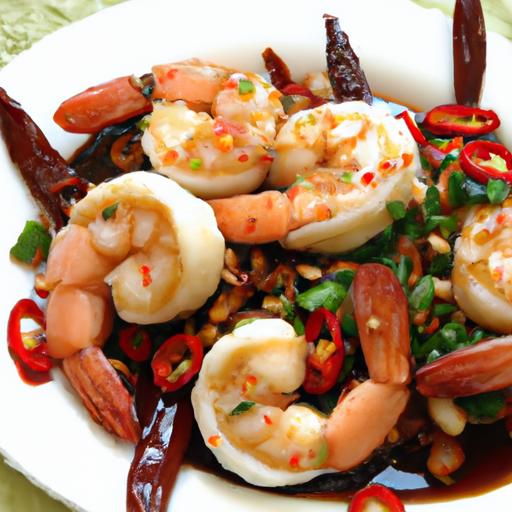

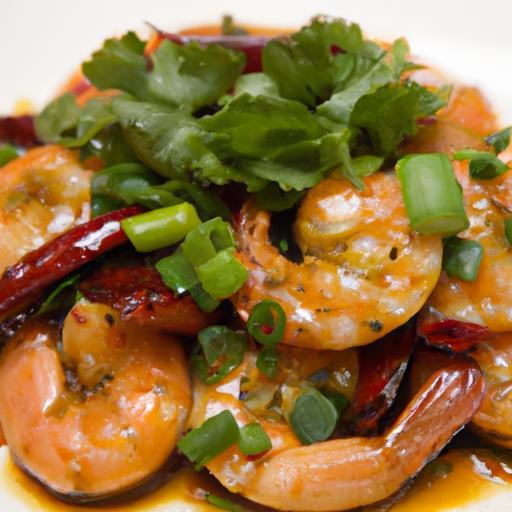
In the vibrant tapestry of Sichuan cuisine, where bold flavors and fiery spices reign supreme, Kung Pao shrimp emerges as a dazzling star-an irresistible symphony of heat, sweetness, and crunch. This beloved dish transforms succulent shrimp into a mouthwatering journey, marrying the numbing zest of Sichuan peppercorns with the lively kick of chili peppers, all tossed together in a glossy, savory sauce. More than just a meal, Kung Pao Shrimp is a party of tradition and innovation, inviting food lovers everywhere to dive into a spicy delight that captures the essence of China’s culinary heartland. Join us as we explore the origins, flavors, and secrets behind this iconic dish and discover why Kung Pao Shrimp continues to enchant palates across the world.
Kung Pao Shrimp is a vibrant culinary treasure that invites you on a journey straight to Sichuan, where bold flavors ignite the palate. This dish, known for its harmonious blend of spicy heat, sweet undertones, and textural contrasts, has a storied history rooted in customary Chinese cuisine. Originating as a humble provincial favorite named after a Qing Dynasty official, its evolution into a beloved staple showcases the ingenious balance of fiery Sichuan peppercorns and tender shrimp, caramelized peanuts, and savory aromatics.
Prep and Cook Time
- Readiness: 15 minutes
- Cooking: 10 minutes
- Total Time: 25 minutes
Yield
Serves 4
Difficulty Level
Medium
Ingredients
- 1 lb (450g) fresh shrimp, peeled and deveined
- 3 tbsp vegetable oil (for stir-frying)
- 3 dried red chili peppers, halved and seeds removed for milder heat
- 1 tsp Sichuan peppercorns, toasted and crushed
- 3 cloves garlic, finely minced
- 1-inch piece ginger, grated
- 2 scallions, cut into 1-inch pieces
- 1/2 cup roasted peanuts, unsalted
- 1 tbsp Shaoxing wine (or dry sherry)
- 2 tsp soy sauce
- 1 tbsp dark soy sauce
- 1 tbsp Chinese black vinegar
- 1 tbsp hoisin sauce
- 1 tsp sugar
- 1 tsp cornstarch, mixed with 2 tbsp water (slurry)
- Salt to taste
- Optional: 1 tsp chili garlic sauce for extra kick
Instructions
- Prepare the shrimp: Pat the shrimp dry with paper towels for maximum sear and toss lightly with a pinch of salt and 1 tsp cornstarch (separate from slurry).
- Make the sauce: In a small bowl, whisk together Shaoxing wine, soy sauces, black vinegar, hoisin sauce, sugar, and optional chili garlic sauce. Set aside.
- Toast the Sichuan peppercorns: Heat a dry pan over medium heat and toast peppercorns until fragrant, about 1 minute. Crush them gently using a mortar and pestle or the backside of a knife.
- Cook shrimp: Heat 2 tbsp vegetable oil in a wok or large skillet over high heat. Add shrimp in a single layer and stir-fry until they turn pink and opaque, about 2-3 minutes. Remove and set aside.
- Sauté aromatics and chilies: Add remaining 1 tbsp oil to the wok. Toss in dried chilies, minced garlic, ginger, and half the scallions. Stir-fry until fragrant, approximately 30 seconds.
- Combine everything: return shrimp to the wok. Pour in the prepared sauce and stir well. Pour the cornstarch slurry into the wok, stirring vigorously until sauce thickens and coats the shrimp, about 1 minute.
- Add peanuts and spice: Mix in roasted peanuts and crushed Sichuan peppercorns. Toss for 30 seconds to blend flavors and textures.
- Finish and serve: Remove from heat, garnish with the remaining scallions, and serve immediately with steamed jasmine rice or your favorite side.
Tips for Success
- Use fresh shrimp for a succulent bite and firm texture. Frozen shrimp can release excess water, diluting the heat and sauce.
- Drying shrimp thoroughly before cooking will give a better sear and prevent steaming.
- Customize heat by adjusting the number of dried chilies or adding fresh sliced chili peppers.
- If you can’t find Sichuan peppercorns, a subtle hint of lemon zest with black pepper can approximate the citrusy numbness.
- To prep ahead, cook the shrimp and sauce separately, than combine in the last two minutes of reheating to preserve shrimp tenderness.
Serving Suggestions
Present your kung Pao Shrimp on a shallow, wide platter to highlight its glossy, caramelized sauce and vibrant garnishes.A sprinkle of toasted sesame seeds accentuates the nutty character, while fresh cilantro leaves offer a cooling contrast. Pair this fiery dish with fragrant jasmine or brown rice to balance the intensity. For a full Sichuan-inspired feast, serve alongside Mapo Tofu or crisp stir-fried greens like garlic bok choy.

| Nutrient | Per serving |
|---|---|
| Calories | 320 kcal |
| Protein | 28 g |
| Carbohydrates | 10 g |
| Fat | 18 g |
For further insight into Sichuan peppercorns and thier unique properties, explore this thorough guide by Serious Eats.
Q&A
Q&A: Kung Pao shrimp – A Spicy Dive into Sichuan Delight
Q1: What exactly is Kung Pao shrimp?
A1: Kung Pao Shrimp is a vibrant, flavorful Chinese dish hailing from Sichuan province. It features succulent shrimp stir-fried to perfection with a tantalizing mix of spicy, sweet, and savory flavors, often highlighted by Sichuan peppercorns, dried chili peppers, and a glossy, sticky sauce. It’s essentially a seafood twist on the classic Kung Pao chicken, bursting with bold tastes and textures.
Q2: How does Kung Pao Shrimp differ from the traditional Kung Pao Chicken?
A2: While traditional Kung Pao Chicken centers around tender pieces of chicken, Kung Pao Shrimp swaps in plump, juicy shrimp, adding a slightly sweet, briny depth to the dish. Shrimp cooks faster and brings a delicate contrast to the fiery,numbing spices,creating a dance of flavors that’s both fiery and fresh.
Q3: What makes Sichuan cuisine unique, and how is it reflected in Kung Pao Shrimp?
A3: Sichuan cuisine is famous for its bold, pungent flavors, combining spicy heat with the unique numbing sensation of Sichuan peppercorns – a flavor experience known as “mala” (麻辣). Kung Pao Shrimp embodies this perfectly, with the crispy chili peppers and peppercorns providing a spicy kick and a tingling numbing sensation that electrifies the palate.
Q4: Can you walk us through the key ingredients in Kung pao Shrimp?
A4: Certainly! At its core, Kung Pao Shrimp features fresh shrimp, dried red chilies, garlic, ginger, Sichuan peppercorns, and roasted peanuts or cashews for crunch. The sauce is a harmonious blend of soy sauce, black vinegar, sugar, and sometimes Shaoxing wine, creating a savory-sweet-savory profile that clings to every morsel.
Q5: Is Kung Pao Shrimp a healthy choice?
A5: Yes! Shrimp is a high-protein, low-calorie seafood packed with nutrients like omega-3 fatty acids and vitamin B12. when stir-fried quickly with fresh ingredients and minimal oil, Kung Pao Shrimp can be a balanced and satisfying meal. Just watch the sodium content if you’re mindful of salt intake, as soy sauce can add a salty punch.
Q6: How spicy is Kung Pao Shrimp really?
A6: The heat level can vary from mild to fiery depending on how many dried chilies and Sichuan peppercorns a cook adds. The signature tingling spice from peppercorns is more about numbing than burning sensation, so even spicy food novices often enjoy the complex interplay of flavors without overwhelming heat.
Q7: Are there any classic side dishes that complement Kung Pao Shrimp?
A7: Absolutely! Steamed jasmine rice or fluffy white rice is the perfect canvas to soak up the rich sauce. Stir-fried greens like bok choy or Chinese broccoli add a fresh, crunchy counterpoint. For a full Sichuan feast experience, pair it with dishes like mapo tofu or hot and sour soup.
Q8: Can I make Kung Pao shrimp at home, and any tips for success?
A8: Definitely! It’s a wonderfully swift and rewarding dish to prepare. Key tips: Use fresh shrimp and don’t overcook them – they only need a couple of minutes. Dry-roast your chilies and peppercorns beforehand to unlock their aroma. Also,balancing the sweet,salty,sour,and spicy elements in the sauce is crucial – taste as you go!
Q9: What’s the story behind the name “Kung Pao”?
A9: The name “Kung Pao” honors ding Baozhen,a Qing Dynasty official whose title was “Gongbao” (literally “Palace Guardian”).Legend has it that the dish was created and named after him in Sichuan cuisine, which was later adapted into various versions worldwide, including the beloved shrimp variant.
Q10: Why should adventurous eaters give Kung Pao Shrimp a try?
A10: Kung Pao Shrimp is a culinary adventure packed with vibrant colors, contrasting textures, and that unforgettable “mala” sensation that makes Sichuan food legendary. It’s a spicy, numbing, sweet, and savory rollercoaster for your taste buds that promises to ignite your love for bold flavors and authentic Chinese cuisine. Dive in – your palate will thank you!
Final Thoughts
As the fiery notes of Sichuan peppercorns linger on your palate and the vibrant medley of shrimp, chilies, and peanuts dances in your mouth, Kung Pao Shrimp reveals itself as more than just a dish-it’s an invitation to experience a rich culinary heritage. This spicy dive into Sichuan delight not only tantalizes the senses but also bridges the gap between tradition and modern taste buds. Whether savored at a bustling street market in Chengdu or recreated in your own kitchen, Kung Pao Shrimp stands as a testament to the bold flavors and dynamic spirit that define Sichuan cuisine. so, next time you crave a meal that’s both fiery and flavorful, remember that this iconic dish offers a tasty journey into the heart of China’s southwestern flavors-one bite at a time.