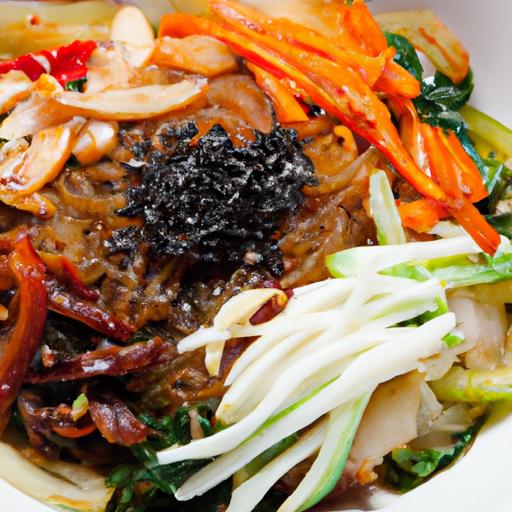

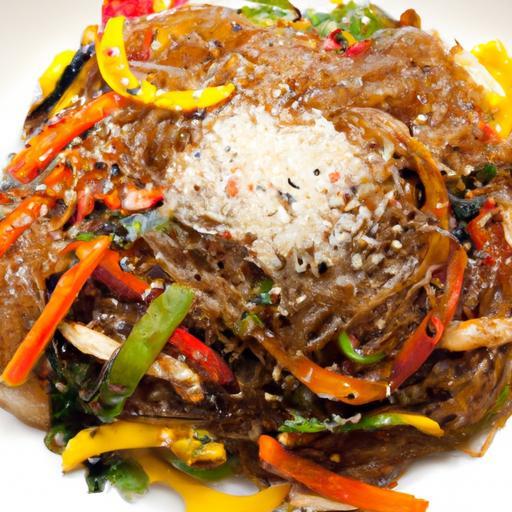
In the vibrant tapestry of Korean cuisine, few dishes captivate the senses quite like japchae. At first glance, these glossy, translucent noodles shimmer with an almost ethereal allure, inviting curiosity and anticipation. But japchae is more than just a visual delight-it is a harmonious symphony of textures and flavors, where chewy sweet potato glass noodles intertwine with crisp vegetables, savory meat, and a delicate balance of seasoning. This article peels back the layers of japchae’s rich history, explores the artistry behind its preparation, and celebrates the nuanced taste that has made it a beloved staple from royal banquets to everyday tables.Join us as we unveil the secrets of Korean glass noodles and discover why japchae is truly a culinary masterpiece.
Japchae Unveiled: The Art and Taste of Korean Glass Noodles
Japchae Unveiled: The Art and Taste of Korean glass Noodles invites you to explore a dish deeply embedded in Korean culinary heritage,celebrated for its harmonious balance of texture,color,and flavor.Originating in the royal courts of the Joseon Dynasty, japchae began as a luxurious festivity dish that has gracefully evolved into an everyday favourite across Korea and worldwide. As a Culinary Content Creator and Food stylist, I find japchae’s vibrant presentation and complex layering of taste irresistibly inspiring-it’s where artistry meets comfort food.
Prep and Cook Time
Preparation: 20 minutes
Cooking: 15 minutes
total Time: 35 minutes
Yield
Serves 4-6 as a side dish or appetizer
Difficulty Level
Medium – Great for cooks ready to master glass noodles and layering flavors
Origins and Evolution of Japchae in Korean Culinary Tradition
Japchae Unveiled highlights a culinary story beginning in 17th-century Korea, where this sumptuous dish graced royal banquets. Originally featuring glass noodles made from sweet potato starch paired with delicately sautéed vegetables and marinated beef, japchae quickly became synonymous with celebrations, prosperity, and family gatherings. Over centuries,it has evolved to embrace creative regional variations-from the inclusion of mushrooms and spinach to vegan adaptations-showcasing Korean cuisine’s adaptability. Japchae’s shimmering noodles symbolize good fortune, making it an essential dish for Korean New Year and festive occasions.
Mastering the Perfect Texture: Selecting and Preparing Glass Noodles
Choosing the right glass noodles (dangmyeon) is basic to achieving that signature bounce and silkiness. Japchae Unveiled emphasizes using high-quality Korean sweet potato starch noodles, which become translucent and springy when properly cooked. Soak noodles in warm water for 20 minutes to soften before boiling them briefly to retain a firm chew-overcooking results in limp strands that weigh down the dish’s delicate balance.
After boiling, promptly rinse noodles under cold water to halt cooking and remove excess starch.Toss them lightly with sesame oil to prevent clumping,preserving each strand’s glossy appearance and lightness. This attention to texture makes japchae visually stunning and texturally delightful.
Balancing Flavors and Colors: Essential Ingredients for Authentic Japchae
Authentic japchae dazzles with its symphony of colors and a perfect balance of savory, sweet, and nutty flavors. Classic ingredients include: thinly sliced beef or shiitake mushrooms for umami depth, crisp carrots and red bell peppers for vibrant color and natural sweetness, tender spinach or buchu (garlic chives), and translucent glass noodles providing the chewy core.
The seasoning blend-soy sauce, sesame oil, minced garlic, and a touch of brown sugar-infuses each component with warmth and richness. Light toasting of sesame seeds sprinkled on top adds a toasty fragrance and visual contrast that elevates every bite.
Serving Suggestions and Pairings to Elevate your Japchae Experience
Serve japchae warm or at room temperature to showcase its glossy noodles and colorful ingredients beautifully plated on a large, shallow dish.Garnish with thinly sliced fresh scallions, toasted sesame seeds, and perhaps a few julienned egg strips for an added pop of gold. Accompany with lightly pickled radish or kimchi to cut through the richness with bright acidity.
For an authentic Korean meal, pair japchae with grilled bulgogi and a bowl of steamed short-grain rice. Alternatively, serve as a vegetarian main dish alongside a spread of colorful banchan (side dishes), allowing guests to enjoy a vibrant and balanced table.
ingredients
- 200g (7 oz) dried Korean sweet potato glass noodles (dangmyeon)
- 150g (5 oz) beef sirloin, thinly sliced (optional for vegetarian)
- 1 medium carrot, julienned
- 1 red bell pepper, thinly sliced
- 100g (3.5 oz) fresh spinach leaves
- 4 shiitake mushrooms, sliced
- 2 cloves garlic, minced
- 3 tbsp soy sauce
- 1 tbsp brown sugar
- 2 tbsp toasted sesame oil, divided
- 1 tbsp vegetable oil
- 1 tbsp toasted sesame seeds, for garnish
- Salt and freshly ground black pepper, to taste
- Spring onions, thinly sliced, for garnish
Instructions
- soak the noodles: Place glass noodles in warm water for 20 minutes until softened.
- Cook vegetables: Heat vegetable oil in a large skillet over medium heat. Sauté carrots, bell peppers, spinach, and shiitake mushrooms separately for 2-3 minutes each until just tender. Season each lightly with salt and set aside.
- Cook beef (optional): In the same skillet, add a bit of oil and cook beef slices until browned and just cooked through, about 3 minutes. Season with a pinch of salt and pepper, then remove.
- Boil noodles: Bring a large pot of water to a boil. Add soaked noodles and cook for 4-5 minutes until chewy but tender. Drain and rinse under cold water immediately to stop cooking.
- Toss noodles with sesame oil: Transfer noodles to a large mixing bowl and drizzle with 1 tablespoon toasted sesame oil. Toss gently to coat and prevent sticking.
- Combine ingredients: Add cooked beef (if using), vegetables, garlic, soy sauce, brown sugar, and remaining sesame oil to the noodles.Toss gently but thoroughly to combine all flavors and colors evenly.
- Adjust seasoning: Taste and add more soy sauce or sugar as needed. Warm briefly over low heat if serving hot.
- Plate and garnish: Transfer japchae to a serving dish. Garnish with toasted sesame seeds and sliced spring onions for a fresh finish.
Tips for Success
- For vegetarian japchae: Swap beef with extra shiitake mushrooms or marinated tofu for umami richness.
- Prevent sticky noodles: Don’t overcook glass noodles; soaking prior to boiling helps reduce cooking time and keeps texture firm.
- Make ahead: Japchae can be made a few hours in advance and served at room temperature; simply re-toss with sesame oil before serving.
- Color variance: Feel free to add other vegetables like zucchini, cucumber, or mushrooms to suit your garden’s bounty or season.
- For a glossy finish, incorporate just the right amount of sesame oil and avoid excessive stirring which can break delicate noodles.
Nutritional Information (per serving)
| Calories | Protein | Carbohydrates | Fat |
|---|---|---|---|
| 280 kcal | 12 g | 40 g | 6 g |

For more inspiration on creating vivid Korean dishes, explore our detailed guide on Korean banchan-small side dishes that transform every meal into a celebration.
Q&A
Q&A: Japchae Unveiled – The Art and Taste of Korean Glass Noodles
Q1: What is Japchae, and why is it so beloved in Korean cuisine?
A1: Japchae is a dazzling dish of stir-fried Korean glass noodles made from sweet potato starch, elegantly tossed with a vibrant mix of vegetables, marinated beef, and fragrant seasonings. Its beloved status comes from the perfect harmony of textures and flavors – the chewy, translucent noodles paired with a symphony of crisp veggies and savory-sweet notes that dance on the palate. Japchae isn’t just food; it’s a celebration of balance and tradition on a plate.
Q2: What makes Korean glass noodles unique compared to other noodles?
A2: Korean glass noodles, or dangmyeon, are crafted from sweet potato starch, giving them a unique, slippery texture and remarkable translucence once cooked. Unlike wheat-based noodles, these glass noodles absorb flavors exquisitely without becoming soggy, providing a delicate chewiness that’s both satisfying and light. Their ability to hold sauces and seasonings beautifully makes them the perfect canvas for the colorful, aromatic elements of japchae.
Q3: How is Japchae traditionally prepared, and are there any secrets to mastering its art?
A3: Traditionally, japchae is all about patience and precision. Each ingredient – from julienned carrots to spinach and shiitake mushrooms – is sautéed separately to preserve its distinct texture and flavor.The sweet potato noodles are boiled just right, then tossed together with a harmonious blend of soy sauce, sesame oil, sugar, and garlic. The secret lies in balance: too much sauce overwhelms the noodles, but too little leaves it bland. The final sprinkle of toasted sesame seeds and a hint of green onions elevates the dish to artistry.
Q4: Can Japchae be customized to suit different dietary preferences?
A4: Absolutely! One of Japchae’s charms is its versatility. vegetarians and vegans can omit the beef and increase the vegetables or add tofu for protein. For a gluten-free twist beyond the noodles (which are naturally gluten-free), be sure to use tamari or gluten-free soy sauce. The vibrant veggies can be swapped seasonally, turning Japchae into a canvas of personal creativity while preserving its soul.
Q5: What cultural importance does Japchae hold during Korean celebrations?
A5: Japchae is more than a meal; it’s a symbol of festivity and respect. Frequently enough featured at Korean weddings, birthdays, and holidays such as Chuseok (harvest festival), japchae represents harmony – colors, textures, and flavors coming together as beautifully as family and community. Serving japchae is a gesture of hospitality and care, honoring guests with its meticulous preparation and joyful appearance.Q6: How can someone new to Korean cuisine best enjoy Japchae?
A6: Dive in with an open mind and a hungry heart! Enjoy japchae warm or at room temperature, embracing its layered flavors and playful textures. Pair it with mild side dishes like kimchi or a bowl of steamed rice to balance richness. Don’t be afraid to experiment: try making it at home to appreciate the artistry firsthand or seek out authentic Korean restaurants where japchae is prepared with love and tradition.
Japchae is not just a dish; it’s an edible story of Korean heritage, artistry, and heart. Each bite invites you to savor the dance of flavors and textures that make Korean glass noodles truly unforgettable.
Future Outlook
As the delicate strands of japchae glisten with a harmony of vibrant vegetables, tender meat, and savory sauce, they tell a story far richer than flavor alone. This humble Korean glass noodle dish is a testament to the artistry embedded within everyday meals-where tradition meets technique,and simplicity blooms into elegance. Whether savored at festive gatherings or quiet dinners, japchae invites us to explore a world where texture, color, and taste dance in perfect balance. so next time you twirl those translucent noodles around your chopsticks, remember: you’re not just enjoying a dish-you’re partaking in a culinary heritage that has been lovingly crafted and celebrated for generations.