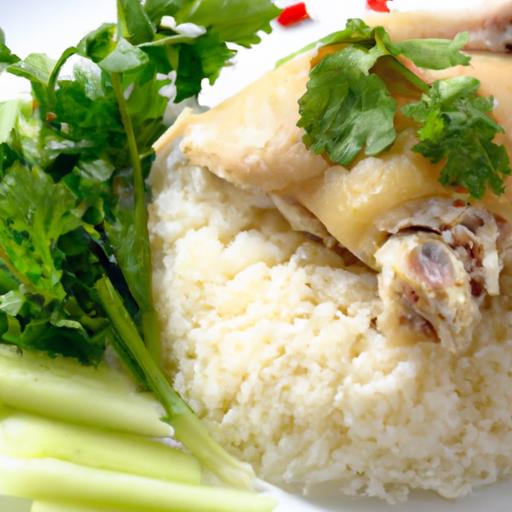

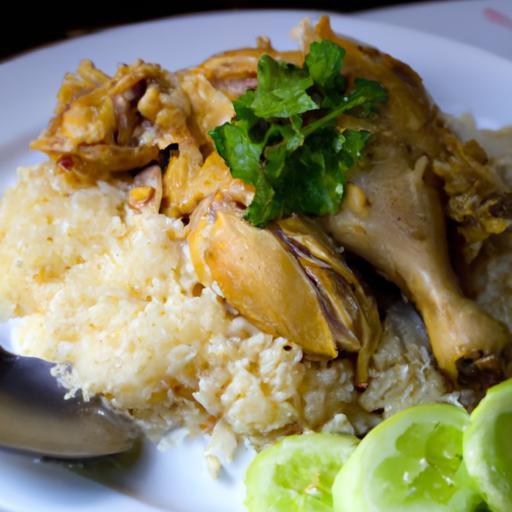
in the bustling streets of Thailand,where vibrant markets burst with color and tantalizing aromas,one humble dish holds a special place in the hearts-and stomachs-of locals and travelers alike: Khao Mun Gai. Often overshadowed by the country’s fiery curries and spicy street eats,this deceptively simple plate of tender poached chicken served over fragrant rice soaked in savory chicken broth tells a story of comfort,tradition,and culinary finesse. Join us as we dive into the origins,flavors,and cultural significance of Khao mun Gai,uncovering why this beloved cold chicken rice dish has earned its rightful crown in Thailand’s diverse gastronomic tapestry.
Khao Mun Gai is a quintessential comfort food in Thai cuisine, celebrated for its delicate balance of tender poached chicken and fragrant, flavorful rice. this humble yet beloved dish originally traces its roots to Hainanese immigrants, who introduced the concept of chicken rice to Thailand in the early 20th century.Over time, Thailand developed its distinct spin, incorporating subtle aromatics and a uniquely tangy sauce that makes Khao Mun Gai unforgettable. Whether enjoyed as a fast street food snack or a home-cooked delight, this dish embodies the warmth and soul of Thai kitchens and culture.
Prep and Cook Time
- Readiness: 15 minutes
- Cooking: 40 minutes
- total Time: 55 minutes
Yield
- Serves 4 hungry people
Difficulty Level
- Easy – Perfect for beginner to intermediate home cooks
Ingredients
- 1 whole chicken (about 3-4 lbs), cleaned and trimmed
- 2 cups jasmine rice, rinsed and drained
- 3 cloves garlic, minced
- 2-inch piece of fresh ginger, sliced thinly
- 4 cups water (for poaching)
- 1 teaspoon salt
- 2 tablespoons chicken fat or neutral oil
- 1 cucumber, thinly sliced for garnish
- Fresh cilantro and green onions, chopped for garnish
- Optional: fresh Thai chili peppers sliced for heat
For the Sauce (Nam Jim Jaew Style):
- 3 tablespoons soy sauce
- 2 tablespoons dark soy sauce
- 3 tablespoons oyster sauce
- 1 tablespoon freshly squeezed lime juice
- 1 teaspoon sugar
- 2 cloves garlic, finely minced
- 1 tablespoon freshly grated ginger
- Chopped fresh cilantro
- Crushed roasted peanuts (optional)
Instructions
- Prepare the chicken broth: In a large pot, add the whole chicken, sliced ginger, garlic, and salt. Pour in 4 cups of water, enough to cover the chicken. Bring to a gentle simmer over medium heat. Poach for 35-40 minutes,turning the chicken occasionally for even cooking. Avoid boiling to keep the meat tender and juicy.
- Remove and cool the chicken: Once cooked,carefully lift the chicken out and submerge it briefly in an ice bath or place it under cold running water to halt cooking and tighten the skin.Let it rest before carving into bite-sized pieces.
- Cook the rice: Drain the jasmine rice and sauté it in a separate pan with the chicken fat,minced garlic,and a pinch of salt,stirring until fragrant (about 2-3 minutes). Transfer the rice to a rice cooker and add 2 cups of the reserved chicken broth from poaching (strained). Cook according to your rice cooker instructions until fluffy and aromatic.
- Prepare the sauce: In a small bowl, whisk together soy sauce, dark soy sauce, oyster sauce, fresh lime juice, sugar, minced garlic, and grated ginger. Adjust to taste-this sauce shoudl hit a balance of salty, tangy, and lightly sweet. Optionally, add chopped cilantro and roasted peanuts for added texture and flavor complexity.
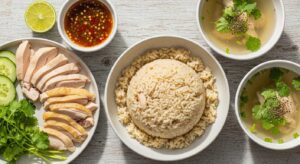
- plate the dish: Arrange a generous mound of the fragrant chicken rice on each plate. Top with tender slices of poached chicken. Garnish with fresh cucumber slices, chopped cilantro, and green onions. Serve the sauce in a small bowl alongside, allowing each diner to drizzle it over the chicken to their liking.
Tips for Success
- Poaching perfection: Keep the heat low; the water should never reach a rolling boil to prevent toughening the chicken.
- Chicken fat for rice: Don’t skip the frying of rice in chicken fat and garlic; it’s the secret to that signature savory depth.
- Make ahead: The poached chicken and broth can be prepared a day ahead, stored in the fridge, and gently reheated for even better flavor infusion.
- Spicy variation: Add finely chopped fresh Thai chilies to the dipping sauce for a more conventional fiery kick.
- rice alternatives: Jasmine rice is best, but you can experiment with a slightly sticky short-grain rice for a different texture.
Serving Suggestions
Khao Mun gai shines when served simply but thoughtfully. Present it with a crisp fresh cucumber salad lightly dressed in lime juice and a sprinkle of toasted sesame seeds. Pair with a light, herbal iced tea or a crisp lager to cleanse the palate. For a surefire visual delight,garnish with bright green cilantro and thinly sliced green onions,creating a vibrant contrast against the pearly white rice and pale chicken.
| Nutrient | Per Serving |
|---|---|
| Calories | 450 kcal |
| Protein | 35 g |
| Carbohydrates | 50 g |
| Fat | 8 g |

For a deeper dive into Thai cooking fundamentals, explore our comprehensive guide. Also, check out this Britannica article on Thai cuisine for rich cultural context surrounding dishes like Khao Mun Gai.
Q&A
Q&A: Khao Mun Gai – Thailand’s Beloved Cold Chicken Rice Dish Explained
Q1: What exactly is Khao Mun Gai?
A: At its heart, khao Mun Gai is Thailand’s take on the classic cold chicken rice dish. Picture perfectly poached chicken served atop fragrant,oily jasmine rice cooked in the chicken’s own broth,accompanied by a tantalizing trio of flavorful sauces-a savory,tangy,and slightly sweet dipping sauce,a clear hearty chicken broth,and a side of fresh cucumber. It’s comfort food that’s elegant in its simplicity.
Q2: How did Khao Mun Gai become so popular in Thailand?
A: This dish originated from Hainanese immigrants but was warmly embraced and reinvented by Thai street vendors. Its popularity skyrocketed because it’s affordable, wholesome, and delivers a refreshing respite from Thailand’s tropical heat-cold chicken, cool cucumbers, and aromatic rice combine to create a harmonious, light yet satisfying meal.
Q3: What makes the rice in Khao Mun Gai special?
A: The rice isn’t just plain jasmine rice; it’s cooked in a rich, flavorful chicken broth infused with garlic, ginger, and sometimes pandan leaves. This technique imparts a silky texture and savory depth that perfectly complements the smooth, tender poached chicken.
Q4: Why is the chicken served cold?
A: Serving the chicken cold after poaching locks in its juiciness and texture.It also offers a refreshing contrast when paired with the warm rice and piping hot broth, making the dish uniquely balanced in temperature and flavor-perfect for the tropical climate.
Q5: What sauces accompany Khao Mun Gai, and why are they important?
A: The star sauce is typically a blend of fermented soybeans, ginger, garlic, chili, vinegar, and a pinch of sugar, creating a perfect balance of savory, sour, spicy, and sweet notes. This dipping sauce elevates the mild chicken and rice,adding layers of flavor with every bite. Sometimes a sweet soy sauce or chili paste is also offered, allowing diners to customize their flavor journey.
Q6: How does Khao Mun Gai differ from other chicken rice dishes, like Singapore’s Hainanese chicken rice?
A: While both share roots and concepts, Thai Khao Mun Gai often boasts bolder, zestier sauces and an accompanying clear chicken broth that’s sipped alongside the main dish. The Thai version leans more into vibrant herbal elements and spicy notes, making it a uniquely local twist on a beloved classic.Q7: Is Khao Mun Gai a street food onyl, or can it be found in restaurants?
A: You’ll find Khao Mun gai everywhere-from humble street stalls where vendors have perfected their recipes over decades, to chic Bangkok restaurants putting a gourmet spin on it. Its widespread popularity is a testament to its universal appeal.
Q8: Can Khao Mun Gai be made vegetarian or vegan?
A: Traditionally, the essence of Khao Mun Gai lies in its chicken broth and poached chicken. Though, inventive cooks have crafted plant-based versions using mushroom or soy “chicken” and vegetable broth, aiming to replicate the umami and texture. though different, these versions honor the spirit of the dish with a compassionate twist.
Q9: What’s the best way to enjoy Khao Mun gai authentically?
A: The true experience involves layering flavors-start by tasting the chicken and rice plain, then dip pieces of chicken into the sauce, and alternate bites with sips of the warm broth. Don’t forget the crunchy cucumber slices to refresh your palate. Eating Khao Mun Gai is as much about savoring contrasts as it is about the dish itself.
Q10: Why is Khao mun Gai considered a comfort food in Thai culture?
A: Beyond its delightful flavors, Khao Mun Gai embodies warmth and home-cooked love. Its simplicity evokes memories of shared meals and family gatherings. in a fast-paced world, it remains a humble yet nourishing dish that feeds both body and soul-truly a beloved treasure in Thailand’s culinary landscape.
The Conclusion
As the final grains of fragrant jasmine rice settle on your palate and the tender slices of poached chicken dissolve into savory satisfaction, it’s clear why Khao Mun Gai holds a cherished place in Thailand’s vibrant culinary tapestry. more than just a dish, it’s a story told through simplicity-a harmonious blend of textures and flavors that invites both locals and travelers to savor a moment of genuine comfort. whether enjoyed from a bustling street vendor or recreated in your own kitchen, Khao Mun Gai remains a timeless taste of Thailand’s rich food heritage, proving that sometimes the most unassuming dishes carry the deepest cultural soul.