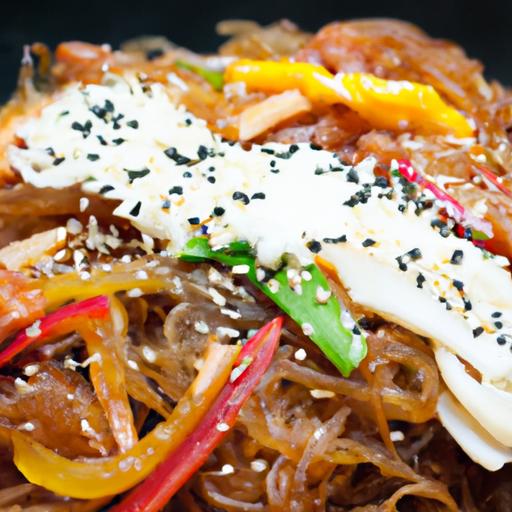

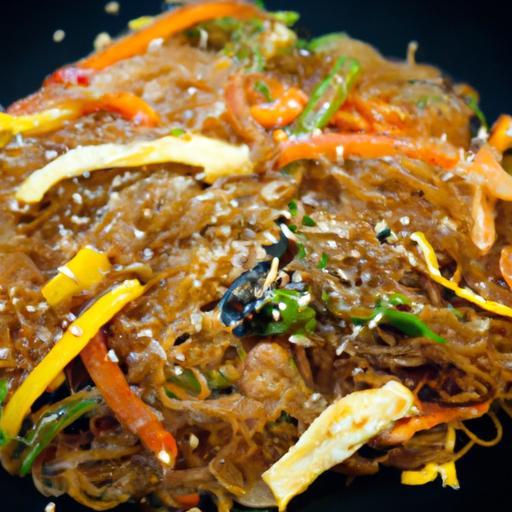
In the vibrant tapestry of Korean cuisine, few dishes captivate the senses quite like Japchae. This shimmering medley of translucent glass noodles, tender vegetables, and savory seasonings is more than just a meal-it’s a culinary artwork that tells a story of tradition, balance, and party. “Japchae Unveiled: The Art of Korean Glass Noodles Delight” embarks on a flavorful journey into the origins, techniques, and cultural importance of this beloved dish. Join us as we unravel the secrets behind Japchae’s delicate texture, harmonious flavors, and enduring appeal, revealing why it continues to enchant taste buds both in Korea and around the world.
Discovering the Roots and Richness Behind Japchae
Japchae Unveiled: The Art of Korean Glass Noodles Delight begins with a journey into its interesting heritage. Originally crafted in the royal kitchens of the Joseon Dynasty during the 17th century, Japchae (잡채) embodies celebration and harmony. It was traditionally a festive dish prepared for special occasions such as birthdays and weddings, symbolizing good fortune and unity through its vibrant colors and balanced flavors. The slippery,translucent glass noodles-made from sweet potato starch-represent longevity,while the medley of vegetables showcases Korea’s deep respect for fresh,seasonal ingredients.
This dish’s enduring popularity stems not only from its eye-catching presentation but also its ingenious layering of texture and taste. From the chewy noodles to the savory-sweet marinade and crisp-tender vegetables, Japchae represents a perfect balance that resonates with both casual family meals and upscale gatherings alike.

Prep and Cook Time
- preparation: 20 minutes
- Cooking: 15 minutes
- Total Time: 35 minutes
Yield
Serves 4 generous portions, ideal as a main or side dish.
Difficulty Level
Medium – Requires some multitasking and attention to detail but approachable for home cooks eager to master Korean cuisine.
Ingredients
- 200g Korean glass noodles (sweet potato starch dangmyeon)
- 2 tablespoons vegetable oil, divided
- 3 cloves garlic, minced
- 1 medium carrot, julienned
- 1 small onion, thinly sliced
- 1 red bell pepper, thinly sliced
- 100g spinach, blanched and drained
- 4 shiitake mushrooms, soaked if dried & thinly sliced
- 2 green onions, sliced
- 2 large eggs, beaten (optional, for garnish)
- 3 tablespoons soy sauce
- 1 1/2 tablespoons sugar
- 1 tablespoon toasted sesame oil
- 1/2 teaspoon freshly ground black pepper
- 1 tablespoon toasted sesame seeds, for garnish
Step-by-Step Instructions
- Cook the noodles: bring a large pot of water to a boil. Add the glass noodles and cook until al dente, usually 6-7 minutes. Drain and rinse in cold water to stop cooking, then cut the long noodles into 6-inch lengths for easier serving.
- prepare the marinade: In a bowl, whisk together soy sauce, sugar, minced garlic, black pepper, and 1 tablespoon vegetable oil. Set aside.
- Sauté the vegetables: Heat 1 tablespoon vegetable oil in a large skillet over medium heat. Sauté the carrots until slightly softened, about 2 minutes.Add the onion and bell pepper, cooking for another 3 minutes. Stir in the sliced shiitake mushrooms until tender. remove from heat and set aside.
- Cook spinach: Quickly blanch the spinach, drain thoroughly, and squeeze out excess water. toss with a pinch of salt and a dash of sesame oil.
- Make the egg garnish (optional): Quickly cook the beaten eggs in a nonstick pan in a thin layer, then slice into fine strips for garnish.
- Toss the Japchae: In a large mixing bowl, combine the noodles with the marinade. Add all sautéed vegetables,spinach,and green onions,tossing gently but thoroughly to evenly coat and distribute flavors.
- Add final touches: Drizzle with toasted sesame oil and sprinkle with sesame seeds. Toss once more for an exquisite glossy finish.
Chef’s Notes: Tips for Perfect Japchae at Home
- Glass noodles texture: Avoid overcooking noodles; they should remain slightly chewy and springy. Cooling them promptly in ice water stops the cooking and keeps that desirable bounce.
- Vegetable variations: Seasonal veggies like zucchini, mung bean sprouts, or napa cabbage add unique flavor layers. Sauté each vegetable separately to preserve its distinct texture.
- Marinade balance: The sweet and salty harmony is crucial. Adjust sugar and soy sauce to taste, but aim for that subtle balance that complements without overpowering the natural ingredient flavors.
- Make-ahead: Japchae tastes even better after resting for 30 minutes, allowing the noodles to soak up the marinade fully. Store in the fridge and reheat gently in a lightly oiled pan.
- Protein add-ons: For a heartier meal, add thinly sliced beef or tofu marinated in soy sauce and garlic. Cook separately and toss with japchae at the end.
Serving Suggestions to Impress
For an authentic presentation, plate Japchae on a large, shallow serving dish to showcase the colors and glossy noodles. Garnish with vibrant green onions,a sprinkle of toasted sesame seeds,and delicate egg strips fanned atop the mound. A side of kimchi or pickled radish enhances the meal with contrasting acidity and crunch.
Serve warm or at room temperature,accompanied by jasmine rice and Korean BBQ for a full,celebratory feast. Inviting your guests to help themselves from a communal platter honors the dish’s communal spirit and offers a feast for both the eyes and palate.
| Nutrient | Per Serving |
|---|---|
| Calories | 280 kcal |
| Protein | 6g |
| carbohydrates | 45g |
| Fat | 7g |

For further exploration of Korean flavors, visit our Guide to Korean Cuisine. To deepen your knowledge of Korean noodles, check out this authoritative resource from Korea.net.
Q&A
Q&A: Japchae Unveiled - The Art of Korean Glass Noodles Delight
Q1: What exactly is Japchae?
A1: Japchae is a beloved Korean dish made from sweet potato starch glass noodles, stir-fried with a vibrant medley of vegetables, tender strips of marinated meat, and a hint of savory-sweet soy sauce. It’s a colorful dance of flavors and textures that’s as pleasing to the eye as it is indeed to the palate.
Q2: Why are glass noodles so special in Japchae?
A2: Glass noodles, known as dangmyeon, are translucent and silky, made from sweet potato starch. their unique chewy texture is like a blank canvas-it soaks up the rich flavors of the seasonings and ingredients, making every bite a delightful burst of taste. Unlike typical wheat noodles,they remain pleasantly springy and never soggy.
Q3: where did Japchae originate, and how has it evolved?
A3: Japchae originated in the royal courts of Korea during the 17th century as an elegant dish reserved for special occasions. Over time, it has woven itself into everyday korean life, evolving from a luxurious treat to a versatile comfort food enjoyed at family gatherings, festivals, and even modern lunchboxes.
Q4: What makes the preparation of Japchae an art form?
A4: Creating Japchae is a symphony of timing and technique. Each ingredient is cooked separately to preserve its unique texture and flavor-carrots crisp yet tender, mushrooms earthy and soft, spinach vibrant and fresh. The glass noodles are carefully boiled just right to achieve perfect chewiness. everything harmonizes in the pan with just the right amount of seasoning to create balance and depth.
Q5: Can Japchae be customized?
A5: Absolutely! While traditional Japchae features beef and a specific set of vegetables like spinach,carrots,onions,and shiitake mushrooms,it’s highly adaptable. Vegetarian or vegan versions swap out meat for tofu or mushrooms. Some add seafood, others experiment with different veggies or spice levels, making Japchae a canvas for culinary creativity.
Q6: How is Japchae traditionally served?
A6: Japchae is often served warm or at room temperature, making it perfect for any season. It’s commonly presented as a side dish in Korean meals, but can also be a main course, especially when enhanced with protein. Its glossy noodles and vibrant colors make it a feast for the eyes at festive celebrations or simple family dinners.
Q7: why has Japchae become popular internationally?
A7: Beyond korea’s borders, Japchae’s alluring textures and balanced flavors have captivated global food lovers. Its gluten-free glass noodles cater to diverse dietary needs, while its adaptable recipe fits many palates.Plus, the dish’s stunning presentation and wholesome ingredients embody the rising trend of mindful, colorful eating.
Q8: Any tips for first-timers making Japchae at home?
A8: Take your time with each ingredient-don’t rush the stir-fry! Use fresh vegetables, soak your glass noodles properly, and season gradually. Remember, Japchae is all about harmony, so taste as you go. Most importantly, enjoy the process-it’s a flavorful journey into Korean culinary artistry.
To Conclude
As the glossy strands of japchae twirl elegantly on your fork, you’re not just savoring a dish-you’re partaking in a culinary narrative woven through centuries of Korean tradition. From the humble sweet potato starch that forms its glassy heart to the vibrant medley of vegetables and savory sauces, japchae invites you to explore a harmony of textures and flavors that dance together in perfect balance. Whether enjoyed at a festive gathering or a quite meal at home, this delicate yet robust dish continues to captivate palates worldwide. So next time you encounter those shimmering noodles, remember: you’re indulging in an art form as rich and layered as Korea’s vibrant culture itself.