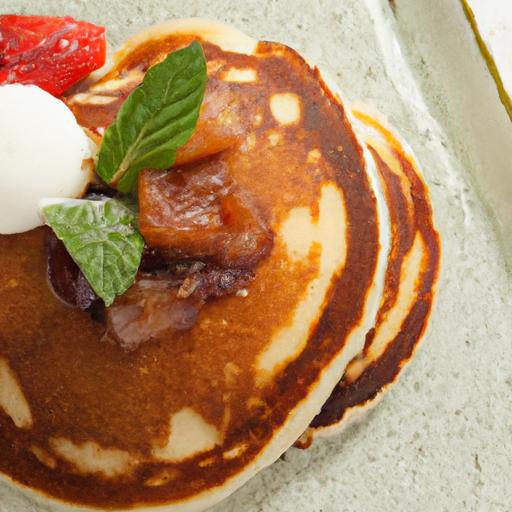

In the heart of Japan’s vibrant culinary tapestry lies a humble yet enchanting treat that has captured the taste buds and imaginations of many-Dorayaki. Often described as a delightful dance between fluffy pancakes and a luscious red bean paste,this beloved confectionry weaves together history,culture,and comfort in every bite. But beyond its sweet exterior, Dorayaki holds a story rich with tradition, folklore, and evolving flavors that mirror japan’s own journey through time.Join us as we unwrap the engaging tale behind this iconic red bean pancake and discover why Dorayaki remains a cherished delight across generations.
The Origins and Traditions of Dorayaki in Japanese Culture
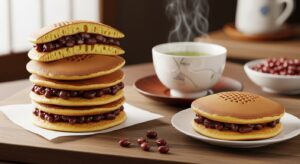
Dorayaki Delight starts with a journey into the heart of Japan’s beloved red bean pancake, a treat cherished for generations. Legend says the dorayaki was born when a wandering samurai left behind his gong-“dora” in Japanese-which was used as a makeshift pan to cook these golden, fluffy pancakes. Today, dorayaki is more than just a snack; it’s a symbol of warmth, nostalgia, and comfort in Japanese households.
Traditionally enjoyed during festivals and tea ceremonies, the balance between the lightly sweetened pancake and the rich, earthy anko (red bean paste) filling evokes a perfect harmony of flavors. This simple yet exquisite dessert has cemented itself as a household name, often tied to fond memories and the iconic manga character Doraemon, who famously adores dorayaki.
The Art of Crafting the Perfect Dorayaki Pancake
The secret to a flawless dorayaki pancake lies in the batter’s texture-airy,tender,and subtle enough to complement the filling without overpowering it.Achieving this texture requires the right blend of ingredients like honey for natural sweetness and moisture, and cake flour for a delicate crumb. Cooking dorayaki is an art: the batter is gently ladled onto a non-stick pan in small, round shapes and cooked over medium-low heat.
golden edges, soft centers, and a delicate sheen mean the pancake is ready to cradle the luscious anko inside.Overcooking will toughen the pancake, so patience and attention are key.
Exploring the Rich flavors of Anko Red Bean Filling
Anko, the soul of dorayaki Delight, is a luscious paste made from azuki beans and sugar, cooked until smooth and thick. Its mildly sweet, earthy flavor and velvety texture provide a perfect counterpoint to the fluffy pancakes. There are two main types of anko-tsubuan (chunky) and koshian (smooth)-each offering a different mouthfeel but equally delightful taste.
For homemade dorayaki, sourcing quality azuki beans or a well-crafted canned anko can elevate the dessert dramatically. Adding a subtle hint of salt or even a splash of mirin can deepen the anko’s complexity without overwhelming the palate.
Tips for Homemade Dorayaki and Where to Find Authentic treats
Crafters of dorayaki Delight will find that practice, quality ingredients, and mindful cooking produce the best results. use fresh eggs and sifted cake flour for a light batter, and never rush the cooking process. Let the pancakes cool slightly before sandwiching the anko to prevent melting and sogginess. To store, wrap the dorayaki individually to keep them moist for up to two days.
For those seeking authentic dorayaki outside Japan, specialty Japanese bakeries or Asian supermarkets are excellent starting points.Some artisanal shops offer unique fillings such as chestnut cream, matcha white bean paste, or even custard, offering delightful twists on the classic.
Prep and Cook Time
- Prep Time: 15 minutes
- Cook Time: 15 minutes
- Total Time: 30 minutes
Yield
Makes 8-10 dorayaki pancakes (16-20 sandwich halves)
Difficulty Level
Easy to Medium – Perfect for beginner cooks eager to explore Japanese sweets
Ingredients
- 2 large eggs
- 100g (⅔ cup) granulated sugar
- 1 tablespoon honey
- 120g (1 cup) cake flour, sifted
- 1 teaspoon baking powder
- 2 tablespoons water
- 200g (about ¾ cup) anko red bean paste (tsubuan or koshian)
- Vegetable oil, for greasing the pan
Instructions
- Whisk eggs and sugar: In a mixing bowl, vigorously whisk the eggs and sugar until the mixture becomes pale and slightly frothy, about 2-3 minutes.
- add honey and water: Stir in the honey and water until well combined.
- Sift dry ingredients: Sift the cake flour and baking powder into the egg mixture,folding gently to avoid overmixing. The batter should be smooth, slightly thick yet pourable.
- Rest batter: cover and let the batter rest for 15 minutes; this step helps create tender pancakes by allowing the flour to fully hydrate.
- Preheat skillet: Lightly grease a non-stick pan over medium-low heat. Using a paper towel, wipe away excess oil for an even cook.
- Cook pancakes: Pour about 2 tablespoons of batter into the pan, shaping into 3-inch circles. Cook until small bubbles appear on the surface and edges are set (about 1-2 minutes), then flip and cook for another 30 seconds to 1 minute until golden brown.
- Cool pancakes: Transfer pancakes to a rack to cool slightly before assembly.
- Assemble dorayaki: Spread approximately 1 tablespoon of anko red bean paste evenly on one pancake and sandwich it with a second pancake. Press lightly to seal.
- Serve and enjoy: Repeat with remaining pancakes and anko. Serve promptly or store wrapped for later indulgence.
Chef’s Notes
- For a lighter batter, substitute half the cake flour with all-purpose flour, but expect a slightly denser pancake.
- If your anko is too sweet, add a pinch of salt or a teaspoon of unsweetened cocoa powder to balance flavors.
- Want to add a twist? Fold matcha powder into the batter for a green tea flavored dorayaki.
- Make a larger batch of anko and refrigerate leftovers in an airtight container for up to 5 days.
- Use a low heat cooktop setting; high heat may burn the pancakes while leaving centers undercooked.
Serving Suggestions
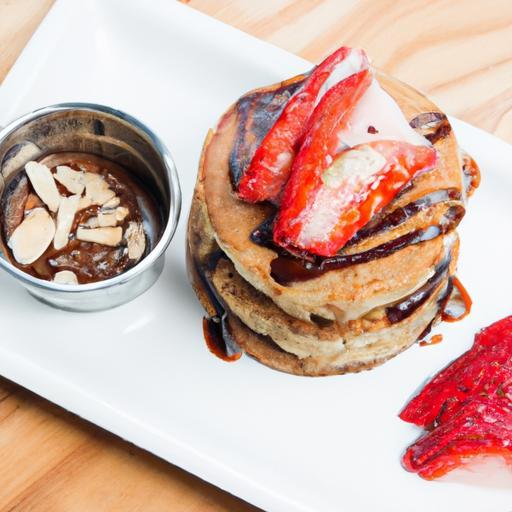
Present dorayaki Delight dusted lightly with powdered sugar or a sprinkle of kinako (toasted soybean flour) for a nutty finish. Pair with a warm cup of matcha green tea or hojicha to amplify the authentic japanese dessert experience. For a special touch, garnish with fresh mint or thinly sliced strawberries tucked beside the pancake stack.

Nutritional Facts per Serving
| Calories | Protein | Carbohydrates | Fat |
|---|---|---|---|
| 180 kcal | 4g | 32g | 2g |
For an informative dive into other traditional Japanese sweets, visit our Japanese Desserts Explained page. Curious about the health benefits of azuki beans? Check this scientific overview on NIH.
Q&A
Q&A: dorayaki Delight - The Sweet Story Behind Japan’s Red Bean Pancake
Q1: What exactly is dorayaki?
A1: Dorayaki is a beloved Japanese confection consisting of two fluffy, golden pancake-like cakes sandwiching a generous filling of sweet azuki red bean paste. Think of it as Japan’s answer to a sweet, red-bean-stuffed pancake sandwich-comfort food at its finest!
Q2: How did dorayaki get its name?
A2: The word “dorayaki” combines “dora” (meaning “gong”) and “yaki” (meaning “grilled” or “baked”). Legend has it that the pancake’s round shape resembles a traditional gong, so the catchy and memorable name!
Q3: When did dorayaki first appear in Japanese culture?
A3: Dorayaki’s roots trace back to the early 20th century, but sweet bean pastes and pancakes have been enjoyed in Japan for centuries. The modern form of dorayaki as we know it was popularized in Tokyo around the Taisho era (1912-1926), becoming a staple street snack that quickly won hearts across the nation.
Q4: Why is the filling usually red bean paste?
A4: Sweet azuki red bean paste, or ”anko,” offers a rich balance of sweetness and earthiness that pairs perfectly with the soft, mildly sweet pancakes. This traditional filling has deep ties in japanese culinary history, symbolizing good luck and prosperity in many sweets.
Q5: Are there variations of dorayaki beyond the classic red bean filling?
A5: Absolutely! While traditionalists swear by classic anko, modern dorayaki artists experiment with custard, chocolate, chestnut cream, matcha, and even savory fillings. Yet, no matter the variation, the essence of dorayaki-fluffy cakes hugging a luscious filling-remains intact.
Q6: What cultural role does dorayaki play in Japan?
A6: More than just a snack, dorayaki is woven into Japan’s cultural fabric-featured in anime, enjoyed during festivals, gifted during special occasions, and cherished as a nostalgic treat connecting generations. It embodies warmth, simplicity, and a sweet slice of Japanese tradition.
Q7: How can someone outside Japan enjoy authentic dorayaki?
A7: Thanks to global foodies and Japanese bakeries abroad,authentic dorayaki can be found in specialty shops worldwide. For the adventurous, homemade recipes bring this sweet delight to kitchen tables everywhere-with pancake batter and smooth red bean paste as the heart of the experience.Q8: What makes dorayaki so special compared to other pancakes or pastries?
A8: Dorayaki’s magic lies in its harmonious simplicity: the pillowy texture of the cakes paired with the subtle, naturally sweet red bean paste creates a uniquely satisfying treat. It’s a delicious marriage of texture and tradition that strikes a perfect balance between snack and dessert.
Q9: Any fun facts or myths connected to dorayaki?
A9: Legend tells of a samurai who left behind his gong, which was then used as a mold to create the first dorayaki pancakes-hence the name and round shape. Also, Doraemon, Japan’s famous robotic cat from manga and anime, loves dorayaki so much it’s become his signature snack, endearing the sweet even more to fans worldwide.
Q10: Why should everyone try dorayaki at least once?
A10: dorayaki offers a tasty gateway into Japanese culture, blending history, myth, and flavor into one unforgettable bite.It’s comfort food that tells a story-sweet,simple,and soul-satisfying. Trying dorayaki is like tasting a little piece of Japan’s heart.
final Thoughts
as the last bite of dorayaki melts away, we’re reminded that this humble red bean pancake is more than just a sweet treat-it’s a delicious slice of Japanese heritage. from its roots in traditional wagashi to its starring role in modern pop culture, dorayaki embodies a perfect harmony of flavor and history. So next time you savor its golden, fluffy layers enveloping luscious azuki paste, you’re not just enjoying a dessert-you’re tasting centuries of craftsmanship and stories folded sweetly into every bite. Whether shared with friends or kept as a personal indulgence, dorayaki continues to delight, inviting us all to experience a little piece of Japan’s culinary soul.