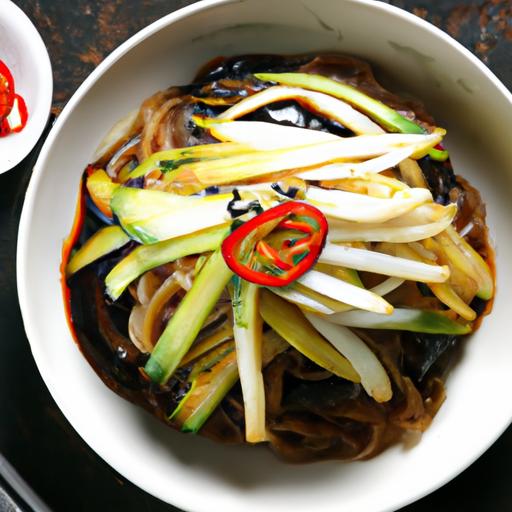

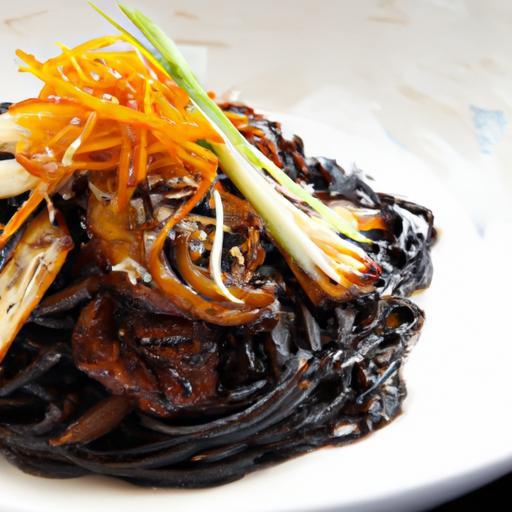
In teh bustling streets of Korea, where sizzling woks and fragrant spices fill the air, one humble dish has quietly captured the hearts and taste buds of millions: Jajangmyeon. Frequently enough spotted as a glossy, ebony-tinted bowl of noodles cloaked in a rich black bean sauce, this beloved comfort food carries a story as intriguing as its complex flavor. More than just a meal, jajangmyeon is a culinary bridge weaving together history, culture, and community. Join us as we unravel the captivating origins, evolution, and enduring charm of Korea’s iconic black bean noodles-an experience that’s as much about heritage as it is about hunger.
Jajangmyeon Unveiled: The Story Behind Korea’s Black Bean Noodles invites you to explore a dish that’s more than just comfort food in Korean cuisine; it’s a tale of cultural fusion and rich, savory indulgence. originally inspired by Chinese zhajiangmian, Korean jajangmyeon has evolved into a beloved national staple-its thick, deep-black bean sauce marrying sweetness, umami, and earthiness into a bowl of satisfying noodles. Whether you’re discovering jajangmyeon for the first time or a longtime fan craving authenticity at home, this recipe guide will illuminate every aspect-from history to the perfect cooking techniques-to help you master this iconic dish.
Prep and Cook Time
- Preparation Time: 20 minutes
- Cooking Time: 30 minutes
- Total Time: 50 minutes
Yield
Serves 4 generous portions
Difficulty Level
Medium – Ideal for cooks comfortable with sautéing and balancing complex sauces
Ingredients
- 300g fresh jajangmyeon noodles (or thick wheat noodles)
- 200g pork shoulder, diced into ½-inch cubes (or substitute with beef or chicken)
- 1 large onion, finely chopped
- 1 medium zucchini, diced
- 1 medium potato, peeled and diced
- 4 tbsp Korean black bean paste (chunjang), preferably authentic brand
- 2 tbsp vegetable oil
- 1 tbsp sugar
- 2 cups chicken broth or water
- 1 tbsp cornstarch mixed with 3 tbsp water (slurry)
- 1 tsp minced garlic
- Salt and freshly ground black pepper, to taste
- Thinly sliced cucumber, for garnish
- Pickled radish (danmuji), optional side
Instructions
- Prepare the noodles: Cook the fresh jajangmyeon noodles according to package instructions until al dente. Drain and rinse under cold water to prevent sticking. Set aside.
- Fry the black bean paste: Heat vegetable oil in a large skillet over medium heat. Add the black bean paste (chunjang) and sauté for about 2 minutes, stirring continuously. This step reduces the bitterness and deepens the sauce’s flavor.
- Sauté the aromatics and pork: In a seperate pan, heat a splash of oil. Add minced garlic and diced pork. Cook until the meat is no longer pink, about 5 minutes.
- Add vegetables: Incorporate onions, zucchini, and potatoes to the pork mixture. Sauté until onions turn translucent and vegetables begin to soften, approximately 7 minutes. Stir often.
- Combine sauce base: Transfer the fried black bean paste into the pork and vegetable mixture. Stir to evenly coat the ingredients.
- Add liquid and simmer: Pour in the chicken broth.Stir in sugar, and bring to a gentle boil. Reduce heat to low and simmer for 10-15 minutes, allowing the flavors to meld. The sauce should thicken slightly.
- Thicken the sauce: Stir the cornstarch slurry to recombine, then slowly pour into the sauce while stirring constantly. Cook for 1-2 minutes until the sauce thickens to a glossy, velvety consistency.
- Season: Taste and adjust with salt and pepper,balancing the sweetness and saltiness as you prefer.
- Serve: Spoon the hot sauce generously over the noodles. Garnish with thin cucumber slices for freshness and a side of yellow pickled radish to complement the savory black bean flavors.
Tips for Success
- Choosing your black bean paste: Korean chunjang has a distinct sweetness and bitterness compared to Chinese alternatives. using an authentic Korean brand is key to capturing conventional flavors.
- Vegetable variations: For a heartier version, add mushrooms or chopped cabbage. If you prefer a vegetarian take,replace pork with firm tofu and vegetable stock.
- Balancing the sauce: The key to jajangmyeon’s allure is the balance between savory,sweet,and slightly bitter notes. don’t skip frying the paste first-it removes rawness and adds depth.
- Make-ahead: The sauce can be prepared a day in advance and refrigerated.Reheat gently, adding a splash of broth if too thick, for convenience.
- Noodles: When fresh jajangmyeon noodles are unavailable, thick udon or hand-pulled noodles make great substitutes, but draining and rinsing them well is essential to avoid clumping.
Serving suggestions
Present your jajangmyeon with a sprinkle of crushed roasted seaweed flakes or sesame seeds to add a subtle nutty aroma. Accompany the bowl with a crisp side of danmuji (yellow pickled radish) to cut through the rich black bean sauce. Traditionally, cold barley tea (boricha) enhances the dining experience, cooling the palate after each decadent bite.

| Nutrient | Per Serving |
|---|---|
| Calories | 480 kcal |
| Protein | 28 g |
| Carbohydrates | 55 g |
| Fat | 12 g |
For those keen to deepen their Korean culinary repertoire, check out our Kimchi Everyday post for another essential flavor-packed staple. To understand jajangmyeon’s cultural context further, explore The Korean Food Foundation for authentic insights into Korea’s timeless dishes.
Q&A
Q&A: Jajangmyeon Unveiled – The Story Behind Korea’s Black Bean Noodles
Q1: What exactly is Jajangmyeon?
A1: Jajangmyeon is a beloved Korean-chinese noodle dish, famous for its thick, savory black bean sauce that coats chewy wheat noodles. It’s comfort food with a rich, umami-packed history, combining deep flavors with simple, hearty ingredients.
Q2: Why is Jajangmyeon black? What’s in the sauce?
A2: The signature black color comes from chunjang, a fermented black soybean paste.The paste is stir-fried with diced pork, onions, and sometimes vegetables like zucchini or potatoes, then thickened with a starch slurry. This creates a luscious, glossy sauce that’s both slightly sweet and savory.
Q3: Where did Jajangmyeon originate?
A3: Although now a staple in Korean cuisine, Jajangmyeon actually traces back to early 20th-century Chinese immigrants in Incheon’s Chinatown. It evolved from the Chinese dish zhajiangmian, adapted to local Korean tastes and ingredients, becoming uniquely Korean over time.
Q4: How did Jajangmyeon become so popular in Korea?
A4: After the Korean War, Jajangmyeon surged in popularity as an affordable, filling meal during tough times. It soon became entrenched as a symbol of simple indulgence, and today, it’s widely enjoyed across Korea-from casual street food stalls to refined restaurants.
Q5: Is there a cultural or social meaning to eating Jajangmyeon?
A5: Absolutely! Jajangmyeon carries social meaning in Korea-especially as a go-to comfort food when hanging out with friends or celebrating small moments. It’s so iconic that Koreans often eat it on “Black Day” (April 14th), a day for singles to commiserate over the black bean noodles.
Q6: Are there different variations of Jajangmyeon?
A6: Yes! Variants include ganjajang (dry black bean noodles), seafood Jajangmyeon, and spicy versions with added chili. Some modern takes incorporate cheese,vegetables,or fusion twists,but the classic sauce-and-noodle combo remains the heart of the dish.
Q7: How should one properly enjoy Jajangmyeon?
A7: Traditionally, the noodles and sauce are mixed well right before eating to ensure every strand is coated in that rich black sauce. It’s best enjoyed hot and paired with pickled radish, which provides a refreshing crunch and balance to the savory noodles.
Q8: Can you try making Jajangmyeon at home?
A8: Definitely! While the authentic black bean paste chunjang can be tricky to find outside Korea or China, many specialty Asian markets carry it.With some diced pork, onions, and a bit of starch slurry for thickening, home cooks can recreate this comforting classic with a little practise.
Q9: What makes Jajangmyeon so timeless?
A9: It’s the perfect harmony of simple ingredients transformed by the magic of fermentation and slow cooking into a deeply savory, satisfying dish. Jajangmyeon is more than noodles-it’s a delicious narrative of cultural blending, resilience, and communal joy.
Key Takeaways
As the final spoonful of jajangmyeon disappears, we’re reminded that this humble bowl is much more than just black bean noodles. It’s a story of cultural fusion, resilience, and everyday comfort woven into korea’s culinary tapestry.From its humble origins blending Chinese influences with korean tastes to its place as a beloved staple in modern households, jajangmyeon stands as a flavorful symbol of how food transcends borders and time. So next time you twirl those glossy,savory strands,savor not just the taste but the rich history and shared experience that make jajangmyeon a dish worth celebrating.