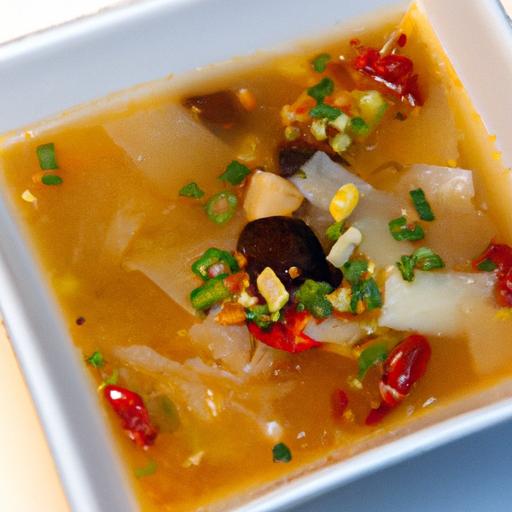

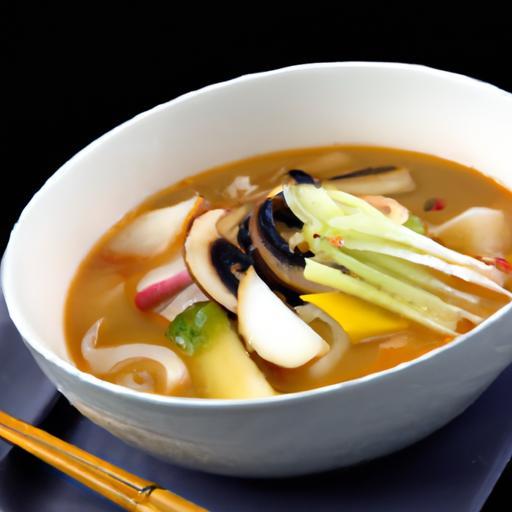
In the vibrant tapestry of global cuisine, few dishes strike a balance between boldness and harmony quite like Hot and Sour Soup. This iconic bowl of steaming broth is more than just a starter-it’s a spicy symphony where fiery heat dances seamlessly wiht tangy notes,creating an irresistible melody of flavor. Rooted deeply in Chinese tradition yet beloved worldwide, Hot and Sour Soup invites you on a sensory journey through time and culture. join us as we explore the origins,ingredients,and culinary artistry behind this beloved classic,uncovering how each spoonful delivers not just warmth,but a celebration of heritage and taste.
Hot and sour soup embodies a vibrant culinary tradition rooted deep within the diverse regions of China, where it masterfully balances pungent heat with lively tang. This iconic dish has long been cherished not only for its comforting warmth but also for its intricate layers of flavor that delight the palate with every spoonful. As a Culinary Content Creator and Food Stylist, I’ve always been captivated by the hot and sour soup’s ability to transform humble ingredients into an remarkable sensory experience, making it a timeless classic in both home kitchens and fine dining alike.
Prep and Cook Time
- Readiness: 15 minutes
- Cooking: 20 minutes
- Total Time: 35 minutes
Yield
- Serves 4 generously
Difficulty Level
- Medium - approachable with a rewarding technique
Ingredients
- 6 cups chicken broth (or vegetable broth for a vegetarian option)
- 1 cup fresh shiitake mushrooms, stems removed and thinly sliced
- 1/2 cup bamboo shoots, julienned
- 1/2 cup firm tofu, cut into small cubes
- 2 tablespoons soy sauce (light soy for balanced saltiness)
- 2 tablespoons rice vinegar, for that essential tang
- 1 tablespoon chili garlic sauce, adjust to preferred heat
- 2 teaspoons freshly grated ginger
- 3 cloves garlic, finely minced
- 1 large egg, lightly beaten
- 1 tablespoon cornstarch mixed with 3 tablespoons cold water (slurry)
- 2 teaspoons sesame oil, for aroma
- 2 green onions, thinly sliced
- fresh white pepper, to taste
Instructions
- Prepare the broth: In a large pot, bring the chicken broth to a gentle boil over medium-high heat.
- Sauté aromatics: While the broth heats, in a small skillet, warm 1 teaspoon sesame oil and gently sauté the garlic and grated ginger untill fragrant-about 1 minute-then add to the broth.
- Add mushrooms and bamboo shoots: Stir the sliced shiitake mushrooms and bamboo shoots into the broth. Let simmer for 5 minutes to release deep umami flavors.
- Mix flavorings: Stir in the soy sauce, rice vinegar, and chili garlic sauce. Taste and adjust these key ingredients to find your perfect harmony of heat and tang.
- Incorporate tofu: Gently fold in tofu cubes stirring gently to avoid breaking.
- Thicken the broth: Slowly pour in the cornstarch slurry while stirring continuously until the soup slightly thickens, about 2 minutes.
- Create egg ribbons: Slowly drizzle the beaten egg in a thin stream, stirring the soup in one direction to form delicate strands.
- Finish with pepper and oil: Add white pepper as desired and a final drizzle of sesame oil for rich, nutty undertones.
- Garnish and serve: ladle the hot and sour soup into bowls and sprinkle generously with sliced green onions. Serve promptly for the best combination of vibrant flavors and textures.
Tips for Success: Customizing Spice Levels and Adding Unique Flavor Twists
To tailor the heat level of your hot and sour soup, gradually add chili garlic sauce or substitute it with fresh chopped chilies for more intensity. For a milder tang, adjust the rice vinegar carefully-too much can overpower the soup’s delicate balance. Consider incorporating a splash of Shaoxing wine to introduce depth and complexity, or add a few drops of toasted chili oil for an extra smoky kick.
For vegetarians, swap chicken broth with rich mushroom or vegetable stock while keeping the tofu for protein balance. Adding wood ear mushrooms brings a delightful crunch,enhancing the soup’s textural contrast. If you enjoy a creamier dimension, stir in a tablespoon of coconut milk just before serving-a surprising yet harmonious twist that elevates this classic.
Serving Suggestions
Hot and sour soup shines as a starter to a multi-course Chinese meal or as a warming standalone bowl on crisp evenings. Present it in simple ceramic bowls to highlight its deep amber hues,garnished with shining green onions and fresh cilantro sprigs. Pair with steamed jasmine rice or crisp fried wontons for contrast. A small side of pickled vegetables complements the soup’s interplay of spicy and sour flavors spectacularly.

| Nutrient | Per Serving |
|---|---|
| Calories | 150 kcal |
| Protein | 10 g |
| Carbohydrates | 12 g |
| Fat | 6 g |
For an even deeper dive into the roots of this soup and other traditional Chinese delights, check out our collection of authentic soup recipes. To understand the cultural context and health benefits of rice vinegar,visit the Center for Infectious Disease Research and Policy for detailed insights.
Q&A
Q&A: Hot and Sour Soup – A Spicy Symphony of Flavor and Tradition
Q1: What makes Hot and Sour Soup such a beloved dish around the world?
A1: Hot and Sour Soup captivates taste buds with its masterful balance of opposing flavors – the fiery heat of chili peppers and white pepper, paired with the tangy brightness of vinegar. This dynamic interplay creates a vibrant and comforting soup that feels like a flavorful journey in every spoonful. Its centuries-old tradition and versatility further endear it to global palates.
Q2: Where did Hot and Sour soup originate?
A2: Rooted deeply in Chinese culinary history, Hot and Sour soup was initially a humble street food in Sichuan and Hunan provinces, where bold, spicy flavors thrive. Over time, it evolved and traveled far beyond its origins, with each region and culture adding unique twists while honoring the essential hot-and-sour essence.Q3: What are the key ingredients that define Hot and Sour Soup?
A3: At its core, Hot and Sour Soup typically features a fragrant broth enlivened by white pepper’s sharp heat and vinegar’s tang. It contains a medley of ingredients like tofu, mushrooms, bamboo shoots, and wood ear fungus for texture, often rounded out with eggs swirled into silky ribbons.Protein from pork, chicken, or seafood may also be included, depending on regional preference.
Q4: How does the preparation of Hot and Sour Soup contribute to its unique flavor profile?
A4: The magic lies in technique as much as ingredients. The sourness is usually introduced late in the cooking process through vinegar to preserve its brightness, while the spiciness is layered by toasting or infusing white pepper.Eggs added in a slow drizzle create soft, flowing strands that enrich the soup’s mouthfeel, turning a simple broth into a lush tapestry of flavors and textures.
Q5: Can hot and Sour Soup be adapted to suit different dietary needs?
A5: Absolutely! The soup’s flexible foundation lends itself beautifully to customization.Vegetarians and vegans can rely on mushrooms, tofu, and vegetable stock while skipping meat and eggs. Those craving even more heat can dial up the chili. Gluten-free versions swap soy sauce for tamari or coconut aminos. This adaptability ensures the hot and sour symphony plays on in kitchens worldwide.
Q6: Why does Hot and Sour Soup appeal beyond just its taste?
A6: Beyond flavor, Hot and Sour Soup taps into comfort and cultural connection. It’s often enjoyed as both a starter and a restorative meal during cold weather or when feeling under the weather. The soup acts as a sensory bridge linking generations and cultures, blending tradition with innovation in every steaming bowl.
Q7: How can home cooks best master Hot and Sour Soup?
A7: Start with a good-quality broth and taste frequently as you balance heat and sourness. use fresh ingredients and authentic condiments like black vinegar and white pepper to keep the flavors true. Don’t rush the egg drizzling step - patience yields that silkiness that defines the soup. Most importantly, embrace the process as an artful dance of flavors, adjusting to personal preference.
Hot and Sour Soup isn’t just a dish; it’s a celebration of bold contrasts and cultural stories spooned into a bowl – a spicy symphony that invites all who taste it into a timeless tradition of flavor.
Wrapping Up
As the final spoonful warms your palate with its harmonious blend of heat and tang,hot and sour soup reveals itself not just as a dish,but as a living testament to culinary artistry and cultural heritage. Each steaming bowl carries stories steeped in tradition,where the fiery whispers of chili dance with the soothing embrace of vinegar-a symphony that has captivated taste buds for centuries.Whether savored in a bustling kitchen in Sichuan or recreated in your own home, hot and sour soup invites us to celebrate the rich tapestry of flavors that unite history and innovation in every savory sip. in embracing this spicy classic, we not only honor a timeless recipe but also the vibrant spirit of a cuisine that continues to inspire and delight around the world.