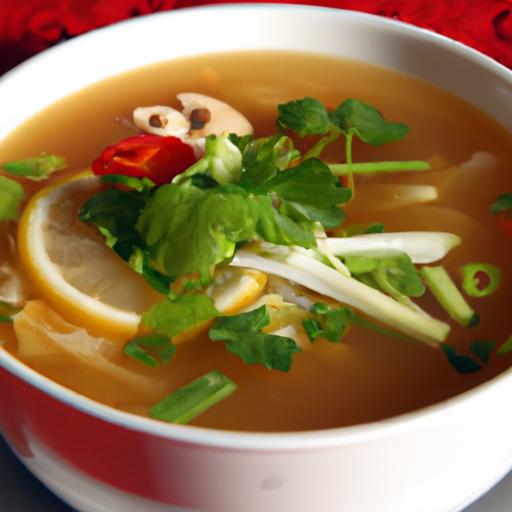

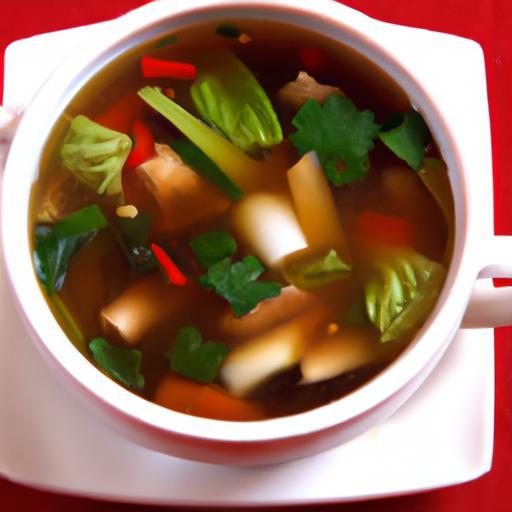
There’s a certain magic in the first spoonful of hot and sour soup-a vibrant dance of flavors that awakens the palate and tells a story as old as time. This beloved broth, swirling with tangy vinegar, spicy pepper, and a medley of textures, is far more than just a comforting starter on Chinese menus worldwide. It’s a culinary tradition steeped in history, culture, and a delicate balance of taste that has evolved through centuries. In this article, we’ll dive deep into the origins, ingredients, and cultural significance of hot and sour soup, uncovering why each bite is not just nourishment but a party of tang and spice that continues to captivate food lovers everywhere.
Savoring Hot and Sour Soup unlocks a journey through centuries of Chinese culinary tradition, where bold flavors and thoughtful ingredients converge to create a dish that is both comforting and invigorating. Originating from Sichuan and Hunan provinces, this beloved soup balances the fiery heat of white pepper and chili with a lively tartness from vinegar, resulting in a tangy sensation that dances on the palate. Whether shared at festive banquets or humble family dinners, Hot and Sour Soup carries a legacy of warmth and conviviality, making it a timeless classic in Chinese kitchens worldwide.
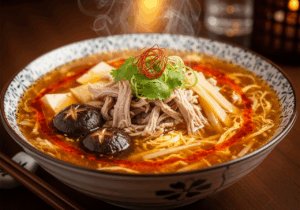
Origins and Cultural Significance of Hot and Sour Soup
Tracing back to the Ming dynasty, Hot and Sour Soup was initially valued not onyl for its flavor but also for its purported medicinal properties. In traditional Chinese medicine, the soup’s heat was thoght to boost circulation, while its sour notes aided digestion. Over time,regional adaptations emerged,incorporating locally available ingredients such as tofu,wood ear mushrooms,bamboo shoots,and pork or chicken. It became a symbol of balance-merging opposites like sour and spicy, soft and crunchy, simple yet complex-reflecting the holistic principles revered in Chinese culture.
Key Ingredients That Define the Tangy Flavor Profile
- Black or white vinegar – delivers the essential sour bite that distinguishes the soup.
- White pepper – provides sharp pungency and a gentle heat,different from chili’s smokiness.
- firm tofu – absorbs flavors while adding silky texture.
- Wood ear mushrooms – lend a unique crunch and earthy depth.
- Bamboo shoots – introduce briny freshness and texture contrast.
- Chicken or pork (optional) – enrich the broth with umami complexity.
- Eggs – whisked in to create delicate ribbons enhancing mouthfeel.
- Sesame oil – a finishing touch that adds aromatic warmth.
Prep and Cook Time
- Readiness: 15 minutes
- Cooking: 20 minutes
- Total: 35 minutes
Yield
Serves 4 generous bowls
Difficulty Level
Medium – approachable for home cooks who enjoy layering flavors with technique
Step-by-Step Guide to Crafting the Perfect Bowl at Home
- Prepare ingredients: Rinse and slice wood ear mushrooms and bamboo shoots into thin matchsticks. Cube the firm tofu into bite-sized pieces. If using meat, shred cooked chicken or thinly slice raw pork for swift cooking.
- Make the broth: In a large pot, bring 4 cups of chicken or vegetable stock to a gentle boil. Add sliced mushrooms and bamboo shoots, simmering for 5 minutes until fragrant.
- Season intelligently: Stir in 3 tablespoons of black vinegar and 1 teaspoon of white pepper. Adjust vinegar gradually to suit your tang preference. Add 1 tablespoon of soy sauce for umami depth.
- Add proteins: Gently fold in tofu cubes and cooked meat. let simmer for another 3-4 minutes to warm through.
- Prepare the slurry: Mix 2 tablespoons cornstarch with ¼ cup cold water until smooth. Stir slurry slowly into the pot while stirring constantly to thicken the soup slightly.
- Create egg ribbons: Beat 2 eggs lightly in a bowl. With the soup at a gentle simmer,slowly drizzle beaten eggs into the pot in a circular motion,stirring slowly to form delicate ribbons.
- Finish with sesame oil: Remove from heat and drizzle 1 teaspoon toasted sesame oil for aroma and smoothness.
- Final tasting: Check seasoning for salt, pepper, and vinegar – adjust as needed for your preferred hot and sour balance.
Tips for Success
- Use black vinegar rather than plain white vinegar for a richer, more layered acidity that complements the savory elements.
- White pepper adds heat without overpowering smokiness – substitute with ground black pepper cautiously.
- Don’t skip the egg ribbons; they add gorgeous texture and visual appeal.
- Make a vegetarian version by using vegetable stock and skipping meat; smoked tofu can add umami in place of meat.
- The soup thickens quickly once cornstarch is added – stir gently to avoid clumping.
- For extra heat, consider adding a few drops of chili oil or minced fresh chili.
- Prepare ingredients in advance to keep cooking smooth and stress-free.
Pairing Suggestions to Elevate Your Hot and Sour Soup Experience
The bold tang and spice of Hot and Sour Soup harmonize beautifully with dishes that provide contrast or complement its flavors. Consider serving alongside:
- Steamed Jasmine rice – to balance out the vibrant soup with a mellow staple.
- Potstickers or dumplings – their savory fillings pair with the soup’s zing elegantly.
- Light stir-fried greens such as bok choy or Chinese broccoli – bring freshness and crunch.
- Chilled cucumber salad with garlic and sesame – a cooling side that refreshes the palate.
- Jasmine or oolong tea – aromatic teas that cleanse and complement the flavors seamlessly.
Finishing with finely sliced scallions or a sprinkle of fresh cilantro not only boosts aroma but adds a burst of color that makes your bowl visually stunning.

| Nutrition (per serving) | Value |
|---|---|
| Calories | 180 kcal |
| Protein | 12 g |
| Carbohydrates | 15 g |
| Fat | 6 g |
Discover more about traditional Chinese cuisine and flavorful broths by visiting our guide to Chinese soups. For an authoritative dive into the history of Hot and sour Soup and its regional variations, check the detailed article on China Highlights.
Q&A
Q&A: Savoring Hot and Sour Soup – A Tangy Tradition Explained
Q1: what is Hot and Sour Soup, and where does it originate from?
A: Hot and sour Soup is a classic Chinese dish celebrated for its bold, balanced flavors that dance between spicy heat and tangy sourness. Originating from sichuan and Hunan provinces, regions known for their love of pungent tastes, this soup has become a beloved staple across China and around the world. It’s a culinary expression of harmony-melding fiery chili,zesty vinegar,and umami-rich ingredients into a comforting bowl of warmth.
Q2: What gives Hot and Sour Soup its signature tangy flavor?
A: The tangy punch primarily comes from Chinese black vinegar-a fermented dark vinegar with a complex,slightly sweet acidity. This vinegar cuts through the soup’s richness, lifting the flavors and enlivening the palate. combined with a hint of white pepper or fresh chili, the soup’s piquancy is both refreshing and addictive.
Q3: What ingredients make hot and Sour Soup so distinctive?
A: Traditional recipes often include tofu, shiitake mushrooms, bamboo shoots, and wood ear fungus, all simmered in a broth thickened with cornstarch. Pork or chicken might potentially be added for depth, while eggs swirl in to create silky ribbons. Every element contributes texture and flavor, making each spoonful a layered experience-earthy mushrooms, tender tofu, crisp bamboo, and that unmistakable sour-spicy broth.
Q4: How has Hot and Sour Soup evolved outside china?
A: As the soup traveled beyond China’s borders, variations sprouted like wildflowers. In American-Chinese cuisine, for example, it’s often sweeter and less spicy, sometimes featuring additional vegetables or different meats. yet, despite these tweaks, the core essence-radiant acidity paired with warming heat-remains intact, proving the soup’s timeless appeal and adaptability.
Q5: Why is Hot and Sour Soup considered medicinal or beneficial?
A: Beyond its delightful taste, hot and Sour Soup is revered in traditional Chinese medicine for its digestive and respiratory benefits. The vinegar is thought to aid digestion, while the warming spices can definitely help clear nasal passages and soothe colds. It’s often enjoyed not just as a meal, but as a comforting remedy during cooler months or when one seeks a flavorful boost.
Q6: How should one properly savor Hot and Sour Soup?
A: Savoring Hot and Sour Soup is about embracing its contrasts. Take small spoonfuls to appreciate the interplay of sour tang, peppery warmth, and umami depth. Let the aroma awaken your senses first-earthy mushrooms, spicy notes, and the faint sweetness of vinegar. Pair your sip with simple sides like steamed rice or scallion pancakes to complement the soup’s intensity. Most importantly, enjoy it slowly, letting each bite reveal its layered charm.
Q7: Can Hot and Sour soup be made vegetarian or vegan?
A: absolutely! You can easily craft a vegetarian or vegan version by replacing meat with extra mushrooms or plant-based protein like tempeh or seitan. Use vegetable broth instead of meat-based stock,and ensure any sauces or vinegars are free from animal derivatives. This way,the bright,spicy,and tangy character shines through without compromise.
Q8: What cultural significance does Hot and Sour Soup hold?
A: More than just comfort food, Hot and Sour Soup embodies the Chinese culinary beliefs of balance-not just in taste, but in life. The soup’s harmony mirrors the yin and yang principle, where contrasting elements coexist harmoniously. serving it is indeed an invitation to appreciate complexity, tradition, and the joy of sharing a meal filled with flavor and history.
Whether you’re a curious foodie or a devoted fan,understanding Hot and Sour Soup’s roots and nuances enriches every spoonful. Next time you dip your spoon into a steaming bowl, remember: you’re tasting centuries of tradition, skillfully crafted tang, and the warm embrace of a truly timeless dish.
The Way Forward
As the final spoonful of hot and sour soup warms the palate and stirs the senses, it’s clear that this vibrant broth is more than just a dish-it’s a flavorful story steeped in tradition and crafted to balance tang, heat, and harmony. From its origins in Chinese culinary heritage to its beloved presence on tables worldwide, hot and sour soup invites us to savor not only its bold tastes but also the cultural richness it embodies. So next time you lift that spoon, remember you’re partaking in a tangy tradition that has delighted generations-an enduring reminder that food can be both a comforting ritual and an adventurous journey.