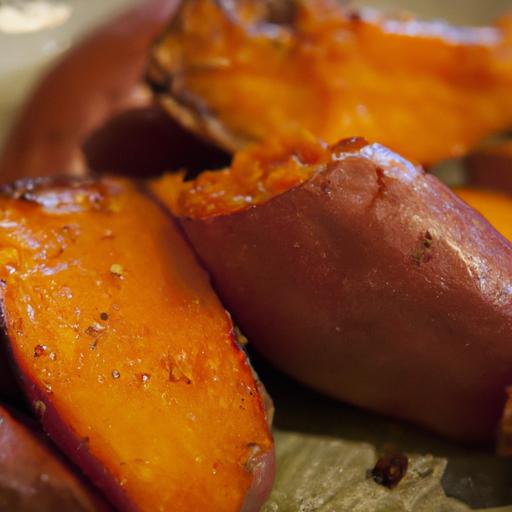

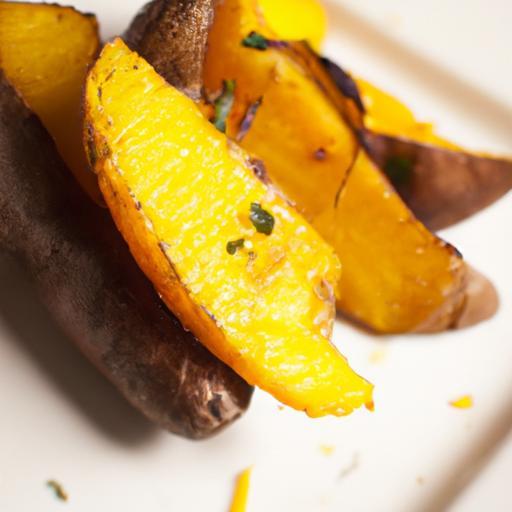
There’s something undeniably magical about the humble sweet potato transformed by fire-its natural sugars caramelizing into a golden, crisp exterior that gives way to a tender, steaming heart. “Golden delight: The Art and Science of Roasted Sweet potatoes” invites you on a sensory journey where culinary tradition meets food science. Beyond being just a simple side dish, roasted sweet potatoes embody a harmonious blend of texture, flavor, and nutrition that has inspired chefs and home cooks alike. In this article, we’ll peel back the layers of what makes this autumnal favorite so enchanting, exploring the techniques that perfect its roast and the chemistry behind its irresistible glow. Whether you’re a kitchen novice or a seasoned foodie, prepare to unlock the secrets behind creating that perfect golden delight every time.
Selecting the Perfect Sweet Potato Varieties for Roasting
Golden Delight: The Art and Science of Roasted Sweet Potatoes begins by choosing the ideal sweet potato variety that lends itself beautifully to roasting. Not all sweet potatoes are created equal,and understanding thier unique characteristics is key to achieving that luscious caramelized exterior and tender,creamy interior we crave. For the best results, seek out firm, medium-sized tubers with smooth skin.
garnet and Jewel varieties stand out as favorites for roasting due to their vibrant orange flesh, natural sweetness, and moist texture that transforms into a melt-in-your-mouth finish. they offer an exquisite blend of earthy and sugary notes that amplify caramelization. For a slightly drier, nuttier bite, Hannah sweet potatoes with pale skin and yellow flesh provide a delightful contrast, especially when paired with savory spices.
When selecting your sweet potatoes, avoid any with bruises or soft spots, as these can affect texture and taste. Smaller tubers tend to roast more evenly, so aim for more uniform sizes for consistent cooking.
mastering the Roasting Process to Achieve the Ultimate Caramelization
Roasting sweet potatoes is an art that balances temperature, time, and technique to coax out those deep golden hues and rich, complex flavors. Start by preheating your oven to a high temperature-around 425°F (220°C)-which encourages the sugars within the sweet potato to caramelize while sealing in moisture. Cut the sweet potatoes into even, bite-sized cubes or wedges to ensure uniform cooking.
Using a generous drizzle of high-quality olive oil helps crisp the edges and enhances flavor depth.Spread the pieces in a single layer on a parchment-lined baking sheet with enough space to allow hot air to circulate and crisp every side. Flip the sweet potatoes halfway through at about 20 minutes to promote even browning. Expect a total roasting time of 35 to 40 minutes, depending on size.
To test perfection, pierce a piece with a fork- it should be tender inside, with a slightly crisp, caramelized crust on the outside.
Enhancing Flavor Profiles with Herbs, Spices, and Seasonings
layering flavors elevates roasted sweet potatoes from simple side dish to culinary masterpiece. The natural sweetness pairs wonderfully with warm spices like smoked paprika, ground cumin, and ground cinnamon. For a savory twist, fresh herbs such as rosemary, thyme, or sage add aromatic complexity that complements the earthy sweetness.
Demonstrate contrast by seasoning with a hint of sea salt and a crack of fresh black pepper, or add heat using chili flakes or cayenne pepper. A splash of maple syrup or a sprinkle of brown sugar before roasting can intensify caramelization and add luscious glaze-like texture. For a citrusy brightness,finish with a squeeze of fresh lemon juice or zest right before serving.
Serving Suggestions and Creative Toppings to Elevate Your Roasted Sweet Potatoes
Once perfectly roasted, the possibilities to serve and garnish your sweet potatoes are endless. Golden Delight: The Art and Science of Roasted Sweet Potatoes shines brightest when paired with vibrant, contrasting textures and flavors. Top with crumbled feta cheese or creamy goat cheese for a tangy dimension that balances sweetness.
Add a sprinkle of crunchy toasted pecans, pumpkin seeds, or a handful of fresh pomegranate arils to invigorate each bite visually and texturally. A drizzle of herbed yogurt sauce or a touch of harissa adds bold, bright flavor profiles, perfect for transforming this side dish into a stunning centerpiece.
for an easy yet elegant presentation, pile the roasted sweet potatoes on a rustic wooden board or vibrant serving dish, garnished with sprigs of fresh thyme or rosemary. Pair alongside warm grains or roasted meats to complete a comforting, wholesome meal.
Prep and Cook Time
- Preparation: 15 minutes
- Cooking: 35-40 minutes
- Total Time: 50-55 minutes
Yield
Serves 4 as a side dish
Difficulty Level
Easy – Perfect for home cooks looking to master a simple yet striking recipe
Ingredients
- 3 medium sweet potatoes, peeled and cut into 1-inch cubes
- 3 tbsp extra virgin olive oil
- 1 tsp smoked paprika
- 1/2 tsp ground cumin
- 1/4 tsp ground cinnamon
- 1 tsp sea salt
- 1/2 tsp freshly cracked black pepper
- 1 tbsp maple syrup (optional for extra caramelization)
- 1 tbsp fresh rosemary, finely chopped
- 2 tbsp toasted pecans or pumpkin seeds for garnish
- Fresh lemon zest and juice, for finishing
Instructions
- Preheat your oven to 425°F (220°C). Toss the cubed sweet potatoes in a large bowl with olive oil, smoked paprika, cumin, cinnamon, salt, and pepper until all pieces are well coated.
- Arrange the potatoes evenly on a parchment-lined baking sheet in a single layer,ensuring they’re not overcrowded. Overcrowding steams the potatoes rather than roasting them.
- Roast for 20 minutes. Then flip each cube carefully to promote even browning.
- Drizzle maple syrup over the potatoes, toss gently if desired, then continue roasting for another 15-20 minutes until golden, crisp on the edges, and tender inside.
- Remove from oven and immediately sprinkle the fresh rosemary, toasted nuts, and a zest of lemon. Finish with a squeeze of fresh lemon juice to brighten the flavors.
- Serve warm as a dynamic side or base for additional toppings and accompaniments.
Chef’s Notes
- Variation: Swap sweet potatoes for Japanese yams or purple sweet potatoes for an exciting color and subtle flavor shift.
- Make ahead: Roast potatoes can be cooled and refrigerated in an airtight container for up to 3 days; reheat on a baking sheet to restore crispiness.
- Gluten Free & Vegan: This recipe is naturally gluten-free and vegan-amiable.
- Pro Tip: For even more caramelization, toss the sweet potatoes with a tablespoon of cornstarch before oil and seasoning; it enhances the crisp texture.
Serving Suggestions
- Top with crumbled feta cheese, a drizzle of tahini, and a sprinkle of za’atar for Middle Eastern flair.
- Pair with a dollop of Greek yogurt mixed with minced garlic and fresh dill.
- Garnish with pomegranate seeds and fresh parsley to add vibrant color and flavor contrast.
- Serve alongside grilled chicken, pork, or a leafy green salad for a balanced meal.
| Nutrition per serving | Calories | Protein | Carbs | Fat |
|---|---|---|---|---|
| Roasted Sweet Potatoes | 180 kcal | 2 g | 35 g | 5 g |

For more inventive vegetable roasting ideas, don’t miss our complete roasted vegetable guide. To explore the science behind caramelization and sweet potato chemistry,check out this insightful article from Science Daily.
Q&A
Q&A: Golden Delight – The Art and Science of Roasted sweet Potatoes
Q1: What makes roasted sweet potatoes a ”golden delight”?
A1: Roasted sweet potatoes earn their title from a perfect harmony of caramelized sugars, tender interiors, and crisp edges. When cooked just right, they develop a golden-brown crust that glimmers like edible treasure-inviting both the eyes and the palate. This transformation is a delightful alchemy of Maillard reactions and natural sweetness.
Q2: Why are sweet potatoes particularly suited for roasting?
A2: Sweet potatoes boast a dense, starchy flesh rich in natural sugars and moisture-ingredients essential to the roasting process. their structure allows heat to slowly break down complex carbohydrates into simpler sugars, which then brown beautifully on the surface, creating a luscious contrast between crispy exterior and velvety center.
Q3: How does the science of roasting influence flavor and texture?
A3: Roasting applies dry heat that evaporates moisture from the sweet potato’s surface, concentrating flavors. Meanwhile, the Maillard reaction and caramelization trigger complex flavor compounds, producing nutty, sweet, and slightly smoky notes. The dry heat also firms up the edges, giving texture that’s both crispy and tender.
Q4: Are there specific varieties of sweet potatoes best for roasting?
A4: Yes! Varieties with orange flesh-like Beauregard or Jewel-are popular for their high sugar content and smooth texture, yielding a beautifully sweet and creamy result.For a nuttier flavor and drier texture, white or Japanese sweet potatoes are favorites. Each variety offers a unique flavor profile and roasting character.Q5: What are some essential tips for perfect roasted sweet potatoes?
A5: Start by cutting evenly sized pieces for uniform cooking. Toss them lightly in oil to encourage browning and prevent drying out. roast at a high temperature, typically around 400°F (200°C), to maximize caramelization. Season simply with salt and pepper, or elevate with herbs and spices like rosemary, cinnamon, or smoked paprika for extra dimension.
Q6: Can roasting sweet potatoes boost their nutritional benefits?
A6: Absolutely! Roasting preserves most nutrients while enhancing digestibility. The heat breaks down fibrous cell walls, making beta-carotene and antioxidants more bioavailable. It’s a tasty way to unlock both flavor and nutrition, all golden and glowing on your plate.
Q7: How versatile are roasted sweet potatoes in culinary applications?
A7: Incredibly versatile-roasted sweet potatoes can star as a side dish, enrich salads, become the base of hearty bowls, or add depth to soups and stews. Their natural sweetness pairs well with savory, spicy, and tangy ingredients alike, inspiring endless culinary creativity.
Unlock the secrets behind this humble root’s glowing allure, and discover how artful roasting transforms sweet potatoes into a truly golden delight worth savoring.
The Conclusion
as the lingering aroma of caramelized sweetness fades from the kitchen, the humble roasted sweet potato stands transformed-no longer just a side dish, but a golden delight that marries art and science in every tender bite.From the Maillard reaction that paints its crispy edges to the natural sugars that elevate its depth of flavor, roasting reveals the sweet potato’s full potential. Whether enjoyed simply salted or adorned with spices and herbs, this versatile tuber invites us to savor both tradition and innovation on our plates. So next time you oven-roast these vibrant gems, remember: you’re not just cooking-you’re crafting a delicious masterpiece shaped by time, heat, and a little chemistry.