
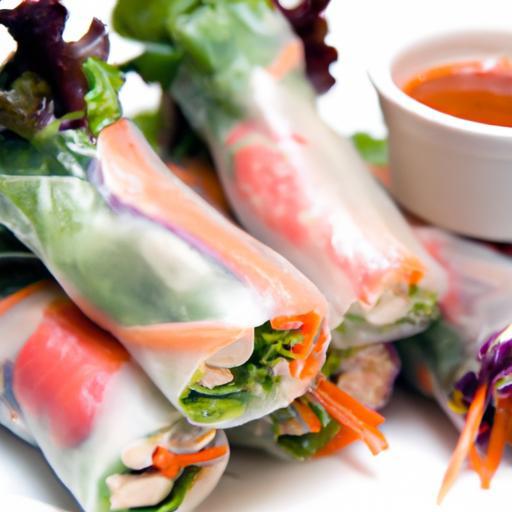
Crisp, vibrant, and bursting wiht fresh flavors, Goi Cuon-Vietnam’s beloved spring rolls-offer a refreshing escape from teh ordinary. Beneath their delicate rice paper wrappers lies a harmonious blend of fragrant herbs, tender shrimp or pork, crisp vegetables, and vermicelli noodles, each bite delivering a symphony of textures and tastes. More than just an appetizer, these translucent parcels embody the heart of Vietnamese cuisine: light, healthy, and infinitely adaptable. In this article, we unwrap the secrets of Goi Cuon, exploring their cultural roots, key ingredients, and tips to craft your own fresh delight at home. Join us as we dive into the artful simplicity behind one of Vietnam’s most cherished culinary treasures.
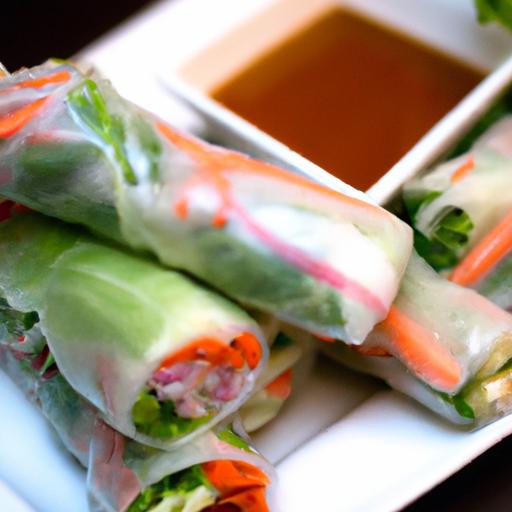
Goi Cuon Unwrapped: The Fresh Delight of Vietnamese Spring Rolls invites you into a vibrant world of textures and flavors, celebrating the delicate balance that makes this dish a beloved icon across Southeast Asia. Originating from Vietnam’s warm, tropical climes, these translucent, fresh spring rolls are a perfect harmony of crisp herbs, tender proteins, and delicate rice paper-an art form as visually stunning as it is flavorful. Each bite is a journey of refreshing crunch, aromatic zest, and subtle umami, unfolding the culinary traditions and the shining spirit of Vietnamese street food culture.
Prep and Cook Time
Prep Time: 25 minutes | Cook Time: 10 minutes | Total time: 35 minutes
Yield
Makes 12 fresh spring rolls
Difficulty Level
Easy to Medium – ideal for home cooks eager to impress with fresh, healthy flavors
Ingredients
- 12 rice paper wrappers (round, 8-inch diameter)
- 150g cooked shrimp, halved lengthwise
- 100g cooked rice vermicelli noodles, drained and cooled
- 100g pork loin, thinly sliced and cooked (optional for variation)
- 1 cup fresh Thai basil leaves
- 1 cup fresh mint leaves
- 1 cup fresh cilantro leaves
- 1 cup shredded lettuce (butter or romaine works great)
- 1 medium carrot, julienned
- 1 cucumber, julienned, seeds removed
- 2 cloves garlic, minced
- For the dipping sauce: 1/4 cup hoisin sauce, 2 tbsp peanut butter, 1 tsp chili garlic sauce, 2 tbsp water, crushed peanuts for garnish
Step-by-step Instructions
- Prepare your workstation: Lay out all ingredients within easy reach. Fill a large shallow bowl or skillet with warm water for soaking the rice papers.
- Soften the rice paper: Submerge one rice paper wrapper in warm water for 10-15 seconds. It should become flexible but not overly soft to avoid tearing.
- Lay on a damp towel or bamboo mat: Spread the softened wrapper flat to begin assembly.
- Layer ingredients gently: Start by placing a small handful of lettuce, vermicelli noodles, and herbs in the center, leaving about 2 inches on each side.
- Add the proteins: Place 2-3 shrimp halves and a few slices of pork (if used) on top of the greens for a balanced profile of flavors and textures.
- Add crunch and color: add a little julienned carrot and cucumber for refreshing bite compression.
- Wrap like a pro: Fold the bottom edge over the filling,tuck in the sides snugly,then roll tightly away from you to seal the roll. The rice paper’s sticky texture will hold the roll firmly.
- Repeat: Continue this method for remaining wrappers and fillings.
- Make the peanut-hoisin dipping sauce: In a small bowl,whisk together hoisin sauce,peanut butter,chili garlic sauce,and water until smooth. Garnish with crushed peanuts.
- Serve fresh: For best flavor, enjoy spring rolls immediately or cover with a damp cloth and refrigerate briefly.
Tips for Success: Crafting the Perfect Goi cuon unwrapped
- Always use fresh herbs-Mint and Thai basil lend an irresistible aroma and brightness.
- Don’t over-soak rice paper to prevent tears; a quick dunk and gentle flexibility is perfect.
- Keep ingredients thinly sliced or julienned for easy rolling and a harmonious bite.
- experiment with fillings like tofu or grilled chicken for vegetarian or varied protein options.
- Make the dipping sauce ahead and store it refrigerated; bring to room temperature before serving for best texture.
- use a bamboo rolling mat or a clean plate to roll consistently neat and tight spring rolls.
serving Suggestions: elevating Your Vietnamese Feast
Present Goi Cuon Unwrapped elegantly on a large platter with vibrant herbs scattered around-purple basil flowers or edible flowers add visual charm. Serve with individual dipping bowls to let each guest dab or dunk freely. Complement this fresh delight with classic Vietnamese sides like crispy fried spring rolls (Cha Gio recipe), pickled daikon and carrots, and a chilled lemongrass iced tea. A crisp white wine such as Sauvignon Blanc or a light lager pairs beautifully, balancing the herbal freshness and savory nuances.
| Nutrient | Per Serving (1 Spring Roll) |
|---|---|
| Calories | 120 kcal |
| Protein | 8 g |
| Carbohydrates | 15 g |
| Fat | 3 g |

Diving deeper into the essence of Vietnamese cuisine, these rolls reveal the power of balance-soft rice paper contrasted by crisp vegetables; sweet shrimp enhanced by savory pork; the freshness of herbs matched by the rich, nutty dipping sauce. This is not just a roll-it’s an experience, a festivity of textures, colors, and culture in every bite.
For more inspiration on vibrant Vietnamese fare, explore our Banh mi sandwich recipe and discover how layers of flavor come alive in each dish. To understand the rich heritage of rice papers and their uses worldwide, check out this detailed article by Serious Eats.
Q&A
Q&A: Goi Cuon unwrapped – The Fresh Delight of Vietnamese Spring Rolls
Q1: What exactly is Goi Cuon?
A: Goi Cuon, often called Vietnamese spring rolls or fresh spring rolls, are delicate, translucent rolls packed with a vibrant mix of fresh herbs, crunchy vegetables, succulent shrimp or pork, and silky rice vermicelli. Wrapped in tender rice paper,they offer a light,refreshing bite that’s a perfect harmony of textures and flavors.
Q2: How do Goi Cuon differ from fried spring rolls?
A: Unlike their crispy, fried cousins, Goi Cuon are served fresh and un-fried, highlighting the natural crunch of fresh ingredients. Their rice paper wrappers are soft and pliable, creating a gentle wrapper that lets the colorful fillings shine through – making them a cooler, lighter option than the golden fried versions.
Q3: What makes Goi Cuon such a beloved dish in Vietnamese cuisine?
A: Goi Cuon embodies balance – from the freshness of mint,cilantro,and lettuce to the savory touch of seafood or pork,all tied together with noodles and rice paper. It’s healthy, customizable, and hand-held, making it both a street food delight and a cherished family recipe that brings people together around the table.Q4: What are the essential ingredients that go into making authentic goi Cuon?
A: Authentic Goi Cuon usually includes hydrated rice vermicelli noodles, cooked shrimp (frequently enough butterflied), thin slices of pork belly or shoulder, fresh herbs like Thai basil and mint, crisp lettuce, and sometimes bean sprouts or cucumber for crunch. The key is freshness – every element should be vibrant and clean in flavor.
Q5: How is goi Cuon typically enjoyed?
A: These spring rolls are best enjoyed dipped in a complementary sauce – most famously a rich, nutty peanut sauce or a tangy hoisin-based dip with crushed peanuts and chili. The dipping adds a punch of flavor that elevates the simple, fresh roll into a layered taste sensation.
Q6: Can Goi Cuon be adapted for different diets?
A: Absolutely! Goi Cuon is incredibly versatile. For vegetarians or vegans, shrimp and pork can be swapped out for tofu or mushrooms. Gluten-free lovers, rejoice – rice paper is naturally gluten-free, making these rolls pleasant for many dietary needs without sacrificing taste or texture.
Q7: What’s the secret to wrapping the perfect Goi Cuon?
A: The art lies in handling the rice paper gently but confidently. Briefly soak the rice paper in warm water until pliable but not too soft. Lay it flat, layer your ingredients strategically – a small portion of noodles, herbs, proteins, and veggies – then fold gently yet firmly, rolling tight enough to hold its shape but loose enough to keep the fillings tender and airy.
Q8: Why is Goi Cuon considered a symbol of Vietnamese culinary culture?
A: Goi Cuon is more than just food; it’s a snapshot of Vietnam’s rich agricultural bounty, its balanced approach to flavor, and its communal dining traditions. Sharing Goi Cuon invites connection, celebrating freshness and simplicity with a mindful, skillful approach – all core values infused in vietnamese cooking.
Q9: Where can one experience authentic Goi Cuon outside Vietnam?
A: many vietnamese restaurants worldwide have embraced Goi Cuon’s popularity.For a truly authentic taste, look for places where rice paper is freshly soaked and the rolls are assembled to order, highlighting vibrant herbs and freshly cooked proteins. Alternatively, making them at home allows you to customize and savor the process yourself!
Q10: Any tips for newcomers eager to try making goi Cuon at home?
A: Start with quality ingredients and don’t rush the rolling process. Gather fresh herbs, cook the vermicelli noodles al dente, and prepare your proteins carefully. Watch a few tutorial videos to get the folding technique right,and don’t fear imperfection – each roll’s unique charm is part of its appeal.Most importantly, enjoy the meditative joy of assembling these little bundles of freshness!
The Conclusion
As we peel back the translucent rice paper wrapper of the Goi cuon, we uncover more than just a spring roll-we discover a vibrant tapestry of Vietnamese culture, flavors, and tradition. Each bite offers a refreshing harmony of crisp vegetables, tender herbs, succulent proteins, and the signature dipping sauce that brings it all together. Whether enjoyed as a light appetizer or a wholesome snack, Goi Cuon is a testament to the art of simplicity done right. So next time you crave a fresh,healthy delight,unwrap the story and taste the essence of Vietnam’s culinary heritage-one roll at a time.