
There’s a burst of vibrant pink and pale ivory that frequently enough sits quietly beside sushi rolls,almost unassuming but endlessly intriguing. This is gari-pickled ginger, a culinary tradition that dances on the palate with a tangy zing and subtle sweetness. Beyond its role as a simple palate cleanser, gari carries centuries of cultural importance and craftsmanship, capturing the essence of Japanese ingenuity in preserving flavor. In “Gari Unveiled: The Tangy Tradition Behind Pickled Ginger,” we dive deep into the history, planning, and cultural resonance of this zesty condiment, revealing how a humble root transformed into a beloved staple that continues to enliven tables around the world.
Crafting the Perfect Pickled Ginger at Home
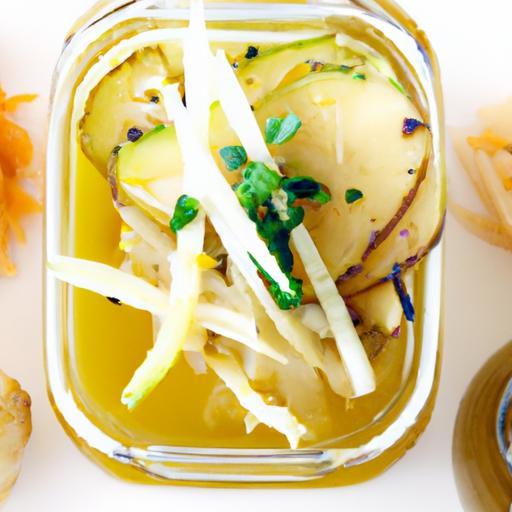
Gari Unveiled: The Tangy Tradition Behind Pickled Ginger brings to light the delicate balance of sweet,tangy,and refreshing flavors that make this condiment an indispensable companion to sushi and japanese cuisine. Originating from Japan, gari is young ginger thinly sliced and pickled in a mixture of rice vinegar and sugar, creating a palate-cleansing bite that awakens the senses.
Having first stumbled upon homemade gari during a trip to Kyoto, I was instantly captivated by its gentle pink hue and zesty aroma. Making gari at home invites you to experience tradition in your kitchen-turning simple ingredients into a vibrant, tangy treasure that can enhance any meal.
Prep and Cook time
- Preparation: 15 minutes
- Cooking/Pickling: 30 minutes + 24 hours for best flavor
Yield
Approximately 2 cups of pickled ginger, perfect for 6-8 servings of sushi or snacking.
difficulty Level
Easy – ideal even for beginners who want to add authentic flair to their sushi nights.
Ingredients
- 200g young fresh ginger, peeled and thinly sliced
- 1 ½ cups rice vinegar
- ¾ cup granulated sugar
- 1 tsp salt
- 1 tbsp water (optional, if needed to dilute the vinegar)
Instructions
- Prepare the Ginger: Carefully peel the young ginger using a spoon to retain its tender flesh. Using a mandoline or a very sharp knife, slice the ginger paper-thin-about 1-2 mm thickness for ideal texture and quick pickling.
- Salt Brine: Place the sliced ginger in a bowl and sprinkle salt over it.Mix gently and rest for 30 minutes to draw out bitterness and soften the ginger. Drain and pat dry with paper towels.
- Prepare Pickling Liquid: In a small saucepan, combine rice vinegar, sugar, and water if needed.Warm over medium heat, stirring until the sugar dissolves entirely. Remove from heat and let cool to room temperature.
- Pickle the Ginger: Transfer the ginger slices to a clean sterilized glass jar.Pour the cooled vinegar mixture over the ginger,ensuring all pieces are submerged.
- Rest and Colour Advancement: Seal the jar and refrigerate for at least 24 hours. For a conventional pink tint, you can add a small pinch of beet powder or a few slices of red shiso leaves during pickling.
chef’s Notes
- Young ginger is key-older ginger is fibrous and too spicy for gari’s delicate flavor.
- If you prefer a less sweet version,reduce the sugar to ½ cup but maintain the acidity balance.
- For vibrant pink color, traditional pickling includes red shiso leaves, which also add subtle herbal notes.
- Make-ahead tip: Gari tastes best after resting for 48 hours and can be stored refrigerated for up to 2 weeks.
- Use a mandoline for even slices to ensure uniform pickling and texture.
Exploring Gari’s Unique Flavor Profile and Health Benefits
The charm of gari lies in its dynamic interplay of zesty acidity,touch of sweetness,and the gentle bite of fresh ginger. This trifecta creates a flavor that both cleanses and refreshes the palate,an essential role when dining on rich,oily sushi. Beyond taste, pickled ginger is renowned for its digestive benefits, anti-inflammatory properties, and its natural ability to soothe nausea.
Serving Suggestions to Elevate Your Sushi Experience
To elevate your sushi presentation, serve gari chilled alongside beautifully plated nigiri and sashimi. Its soft pink ribbons create a stunning visual contrast against the pristine white rice and colorful fish. Garnish plates with fresh shiso leaves or a sprig of microgreens for added elegance.
Try layering thin slices of gari atop avocado sushi rolls for a burst of tang or incorporate finely chopped pickled ginger into soy dipping sauce for a zingy twist. For an innovative appetizer, layer gari with creamy wasabi mayo on cucumber rounds, creating bite-sized flavor explosions.
| Nutrient | Per 1 tbsp (15g) | Value |
|---|---|---|
| Calories | 15 | Low |
| Protein | 0.2g | Minimal |
| Carbohydrates | 4g | Moderate (from sugar) |
| Fat | 0g | None |
Discover more traditional Japanese condiments in our Umeboshi Pickled plum Recipe post for a deep dive into fermented flavors that complement your sushi spread.

Elevate your dining ritual by mastering this tangy tradition-each bite of homemade gari tells a story of culture, health, and culinary artistry.
Q&A
Q&A: Gari Unveiled – the Tangy Tradition Behind Pickled Ginger
Q1: What exactly is gari, and why does it have that distinctive tangy flavor?
A: Gari is thinly sliced young ginger that’s been pickled in a solution of vinegar, sugar, and salt. This pickling process not only softens the ginger’s natural fibrous bite but also infuses it with a luminous, tangy sweetness that perfectly balances the root’s spicy heat. the dynamic duo of vinegar and sugar creates that signature zing that awakens your palate with every bite.
Q2: Where does gari originate from, and how did it become a staple in Japanese cuisine?
A: Gari has its roots deeply embedded in Japan’s culinary tradition. Originally, pickling was an ancient preservation method, but the delicate pink-hued, sweet-and-sour ginger we no today emerged alongside the rise of sushi culture. It became the perfect companion to sushi-cleansing the palate between different fish flavors and enhancing the dining experience.
Q3: Why is gari frequently enough pink, and is that natural?
A: The pale pink hue of gari isn’t always natural; it’s most often a subtle byproduct of young ginger’s tender skins reacting to the vinegar, especially if the ginger is very fresh and young. Sometimes, a dash of food coloring is added to highlight this charming blush, making it visually enticing on the sushi plate.
Q4: How is gari traditionally prepared?
A: Traditional gari preparation starts with selecting young ginger, prized for its tenderness and mildness. The ginger is peeled and thinly sliced, then briefly soaked in boiling water to mellow its sharpness. After draining, it’s pickled in a blend of rice vinegar, sugar, and salt. The slices are left to marinate,frequently enough turning a tempting pink shade and developing that essential sweet-tart flavor over several hours.
Q5: Beyond sushi,how do people enjoy gari in their meals?
A: While gari shines alongside sushi as a palate cleanser,its tangy crunch lends itself beautifully to many dishes.Some sprinkle it over rice bowls to add zest, toss it into salads for a lively kick, or even incorporate it into dressings and marinades. Its bright acidity can cut through rich flavors, making it a surprisingly versatile ingredient.
Q6: What health benefits does gari offer?
A: Ginger, the star of gari, is known for its digestive aid properties, anti-inflammatory effects, and antimicrobial qualities. pickling preserves many of these benefits while adding the bonus of probiotics from fermentation in some traditional recipes. Plus, the vinegar contributes to better digestion and blood sugar regulation, making gari not just tasty but wellness-amiable.
Q7: Can you make gari at home, and is it difficult?
A: absolutely! Making gari at home is a rewarding and relatively simple process. The key is selecting young ginger and balancing your pickling solution just right. With a bit of patience-allowing the slices to soak overnight-you can craft your own tangy, sweet pickled ginger that rivals even the finest sushi bars.
Q8: How does gari reflect the spirit of Japanese culinary philosophy?
A: Gari embodies simplicity, harmony, and respect for natural ingredients-core tenets of Japanese cuisine.Its subtle complexity enhances dishes without overpowering them, providing balance and cleansing the palate. Through its delicate interplay of sweet, sour, and spicy notes, gari celebrates seasonality and mindfulness in eating.
Q9: Are there variations of pickled ginger in other cultures?
A: Yes! While gari is uniquely Japanese, pickled ginger appears in various forms worldwide. In China, ginger is pickled with chili; in Korea, it’s frequently enough paired with soy sauce and garlic. Each iteration reflects local tastes but shares the common goal of preserving ginger’s vibrant flavor and delivering a punch of zest to meals.
Q10: What’s the best way to enjoy gari for the first time?
A: Start by trying a thin slice alongside a piece of sushi or sashimi. Notice how its sweetness and acidity cleanse your palate, preparing your taste buds for the next flavor adventure. Don’t be shy-its tangy brightness can surprise and delight, revealing a centuries-old tradition packed into one small, pink slice.
To wrap It Up
As the crisp, delicate slices of gari continue to cleanse palates and complement dishes around the world, its rich heritage reminds us that even the simplest ingredients can carry profound stories.From ancient Japanese kitchens to modern sushi bars, pickled ginger remains more than just a condiment-it is a vibrant testament to tradition, balance, and the art of flavor. So next time you savor that tangy bite between sushi rolls, take a moment to appreciate the centuries-old craft behind gari, a humble yet extraordinary companion to culinary adventures.