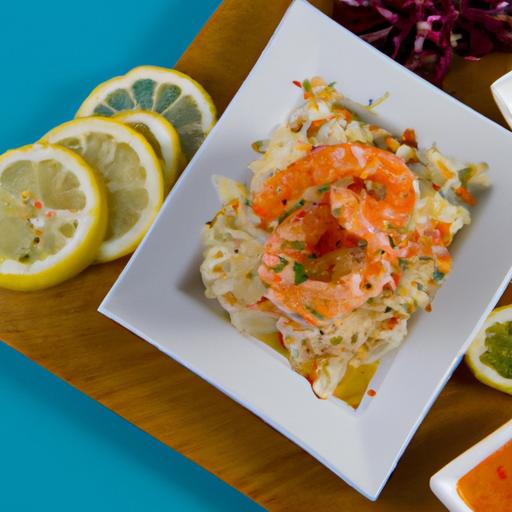

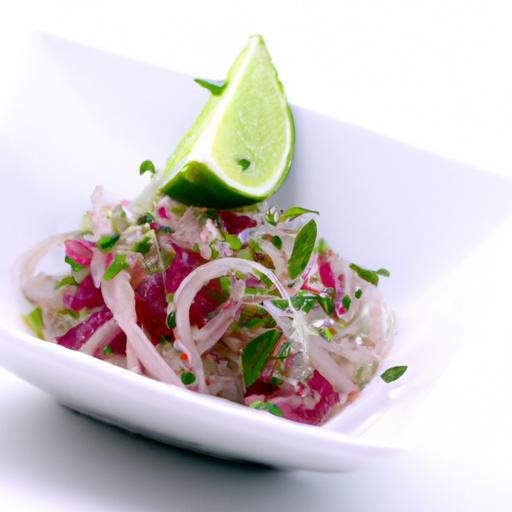
There’s something irresistibly vibrant about ceviche-the way tender, citrus-kissed seafood dances on the palate, bursting with freshness and luminous, invigorating flavors. This beloved dish, rooted in coastal traditions and bursting with zesty charm, has captured hearts (and taste buds) around the world. Whether you’re a seasoned seafood lover or a curious culinary explorer, mastering ceviche is like unlocking a secret treasure chest of refreshing delights. In “Fresh & Zesty: Your Ultimate Guide to Perfect Ceviche,” we’ll dive deep into the art and science behind this iconic dish-exploring the freshest ingredients, essential techniques, and creative twists that turn simple raw fish into a culinary masterpiece. Get ready to awaken your senses and bring a splash of sunshine to your kitchen with every bite.
Fresh & Zesty Ceviche begins with selecting the finest ingredients-this simple yet transformative step sets the stage for a dish bursting with vibrant colors and bold flavors. originating from the Pacific coast of Latin America, ceviche celebrates the freshest seafood enlivened by zesty citrus, bringing the ocean’s essence right to your table. My first taste of ceviche was on a sun-drenched Peruvian beach, where each bite balanced tangy, spicy, and sweet in perfect harmony. Today, I’m excited to guide you through mastering this iconic dish, starting with the core of its magic: choosing quality ingredients, perfect citrus marination, and regional flavor twists that will inspire your palette.
Prep and Cook Time
- Planning time: 20 minutes
- Marination time: 15-30 minutes (depending on seafood type)
- Total time: 45 minutes
Yield
Serves 4 as a refreshing appetizer or light main course.
Difficulty Level
Easy to Medium – ideal for home cooks eager to experiment with fresh seafood and bright flavors.
Ingredients
- 1 lb fresh firm white fish (such as sea bass, snapper, or halibut), skin removed and cut into ½-inch cubes
- 1 cup fresh lime juice (about 8-10 limes), preferably organic
- ½ cup fresh lemon juice (about 3 lemons)
- 1 medium red onion, thinly sliced
- 1-2 Serrano or jalapeño peppers, seeded and finely chopped
- 1 cup chopped cilantro (fresh coriander leaves)
- 1 large ripe avocado, diced (optional for creaminess)
- 1 medium tomato, diced
- Salt to taste
- Freshly ground black pepper
- 1 tsp sea salt flakes
- 1 tbsp olive oil (optional, for richness)
- 1 pinch of ground cumin (optional, for warmth)
Instructions
- Choose the freshest seafood. Ensure your fish is sushi-grade or very fresh; it should smell clean and not “fishy.”
- Rinse and cube the fish. Pat dry with paper towels to remove excess moisture.
- in a glass or ceramic bowl, combine the lime and lemon juice. Add the sea salt flakes, ground cumin (if using), and gently stir to dissolve salts.
- Submerge the seafood cubes in the citrus marinade. Cover and refrigerate for 15-30 minutes.The acid will “cook” the fish, turning it opaque and firm but still tender. Avoid over-marinating to prevent rubbery texture.
- Meanwhile, thinly slice the red onion and soak in cold water for 10 minutes to mellow bitterness, then drain well.
- Chop the cilantro,peppers,tomato,and dice the avocado. Keep avocado last to prevent browning.
- After marination, drain about half of the citrus juice. Add the onions,cilantro,peppers,tomato,and olive oil if desired. Gently fold to combine without mashing the fish.
- Season with salt and freshly ground pepper to taste. Taste and adjust acidity or heat by adding more lime juice or finely chopped pepper.
- Serve promptly or chill briefly. Garnish with extra cilantro, avocado cubes, or thin chili slices for a colorful finish.
- Enjoy with crispy tostadas, plantain chips, or a light salad.
Tips for Success
- Texture control: Different seafood “cook” at slightly different rates; shellfish like shrimp take about 15 minutes, while thicker fish cubes may need 30 minutes max.
- Acidity balance: Use a mix of lime and lemon juice for complexity – lime can be more tart while lemon imparts a floral brightness.
- Freshness matters: If fresh fish is unavailable, high-quality frozen seafood can work-thaw slowly and pat dry before marinating.
- Make ahead: Prepare the marinade and onion slices ahead, but add avocado just before serving to avoid discoloration.
- Regional variations: Explore adding diced mango, sweet corn, or chili paste for Peruvian flair, or swap peppers for smoky chipotles for a Mexican twist.
Serving Suggestions and Pairings
present your vibrant ceviche in shallow glass bowls or on colorful ceramic plates to highlight the fresh hues of the fish and vegetables. Garnish with edible flowers or finely sliced radishes for an elegant touch. Traditional accompaniments include toasted corn nuts (cancha), plantain chips, or lightly salted tortilla chips, adding a satisfying crunch contrast.
This dish pairs beautifully with chilled white wines like Sauvignon Blanc or a crisp Rosé, whose acidity complements the citrus notes. For a non-alcoholic option, try sparkling water infused with cucumber or a tangy tamarind agua fresca. For a heartier meal, serve ceviche alongside a simple quinoa salad or grilled vegetables to balance the zesty freshness.

| Nutritional Info (per serving) | Calories | Protein | Carbs | Fat |
|---|---|---|---|---|
| Fresh & Zesty Ceviche | 180 kcal | 26g | 8g | 5g |
For more inspiring recipes to complement your ceviche journey, explore our article on Bright and Tangy Salsas.For an authoritative dive into the history and cultural roots of ceviche,visit the National Geographic feature on ceviche.
Q&A
Q&A: Fresh & Zesty – Your Ultimate Guide to Perfect Ceviche
Q1: What exactly is ceviche, and why has it become so popular?
A: Ceviche is a vibrant, zesty dish made by “cooking” fresh raw fish or seafood in citrus juice-usually lime or lemon. The acid essentially denatures the proteins,giving the fish a wonderfully tender texture without heat. This refreshing bite of the sea dates back centuries, with deep roots in Latin American coastal cultures. Today, its bright flavors and light, healthy appeal have earned it global acclaim as a perfect summer treat or appetizer.
Q2: What types of seafood work best for making ceviche?
A: Freshness is everything when it comes to ceviche, so opt for sushi-grade fish if possible. Classic choices include firm white fish like snapper, sea bass, or halibut. Shellfish like shrimp,scallops,and even octopus can make appetizing ceviches too. The key is using seafood that’s clean, sweet, and just firm enough to hold up to the citrus bath without turning mushy.
Q3: How does citrus ‘cook’ the fish? Is it safe to eat raw seafood like this?
A: The acid from the citrus juice changes the structure of the fish’s proteins, similar to what heat does when cooking, resulting in a firmer, opaque texture. However,it’s crucial to remember that ceviche doesn’t kill bacteria or parasites like proper cooking would. To stay safe, always use the freshest seafood possible, prep it quickly, and refrigerate immediately. If in doubt, buy from trusted sources or freeze fish beforehand to reduce risk.
Q4: What are some must-have ingredients for a traditional ceviche?
A: The essentials include fresh fish, fresh lime or lemon juice, finely chopped red onions, chopped cilantro, and thinly sliced chili peppers for heat. A pinch of salt balances all the flavors. Many recipes add diced tomatoes, avocado, or cucumber for extra freshness and texture. The beauty of ceviche is its vibrant harmony-bright, tangy, spicy, and herbaceous all at once.
Q5: Can I make ceviche ahead of time, or is it best eaten immediately?
A: ceviche is best enjoyed fresh, within an hour or two of preparation, when the flavors are at their brightest and textures perfect. That said,letting it marinate a bit longer allows the fish to “cook” through and the flavors to meld-just don’t let it sit too long or the fish will become overly firm and rubbery. If you need to prep early, keep it chilled and serve within 4-6 hours max.
Q6: Are there regional twists to ceviche that add a unique flair?
A: Absolutely! Peru’s ceviche often features cancha (toasted corn) and aji amarillo (yellow chili), while in Mexico, you might find additions like tomatoes and avocado served alongside crunchy tortilla chips.Ecuadorian ceviche leans into tomato juice and often uses shrimp. Exploring these regional variations can add exciting zesty twists to your ceviche repertoire.
Q7: Any tips for beginners attempting ceviche for the first time?
A: Start with a simple recipe and the freshest fish you can find. Use plenty of citrus juice and taste as you go-adjust the acid,salt,and chili to your liking. Don’t over-marinate; 15-30 minutes is usually enough for small cubes of fish. Serve chilled and fresh with crunchy sides like tostadas or plantain chips. Most importantly, have fun with it-ceviche is as much about vibrant flavors as it is about enjoying the process!
With these nuggets of wisdom, you’re ready to dive into the zesty world of ceviche-where fresh meets fabulous in every bite!
to Conclude
Whether you’re a culinary adventurer or a seafood novice, mastering the art of ceviche opens the door to a world of vibrant flavors and refreshing textures. From selecting the freshest fish to balancing zesty citrus and fiery accents, this guide has equipped you with the essentials to create your own perfect ceviche masterpiece.So next time you crave a dish that’s bright, bold, and bursting with ocean-fresh goodness, dive in confidently-because with this knowledge in hand, every bite will transport you to sun-soaked shores and festive tables. here’s to savoring ceviche at its freshest and zest-iest!