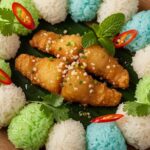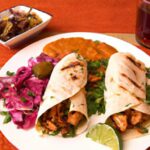

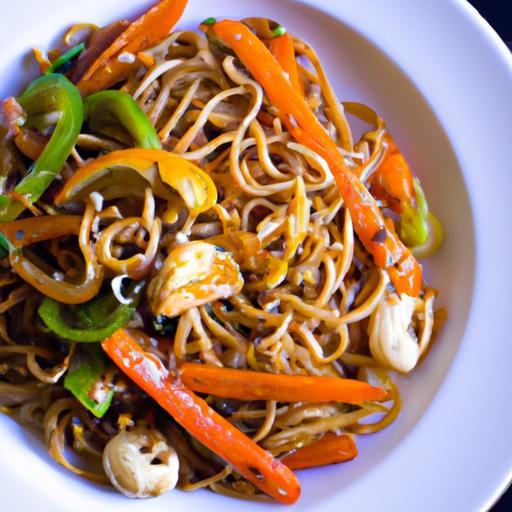
In the vibrant tapestry of filipino cuisine, few dishes capture the heart and heritage of the islands quite like pancit. More than just noodles on a plate, pancit is a flavorful journey thru history, culture, and community-each strand telling a story of influence, adaptation, and festivity. From bustling street markets to festive tables, this beloved dish invites us to explore the diverse textures, colors, and aromas that define the rich world of Filipino noodles. Join us as we unravel the layers of pancit, uncovering its origins, variations, and the special place it holds in the Filipino soul. “Filipino Noodles”
Pancit unveiled: Exploring the Rich World of Filipino Noodles starts with a captivating journey into one of the Philippines’ most cherished dishes. This noodle masterpiece is more than just a comforting meal-it’s a symbol of celebration, community, and cultural heritage that threads through every Filipino family gathering. from humble street stalls to festive banquet tables,pancit weaves stories of regional diversity and time-honored traditions,inviting every cook to explore its flavorful depths. “Filipino Noodles”
Prep and Cook Tim
- Planning: 20 minutes
- Cooking: 25 minutes
- Total Time: 45 minutes
Yield
Serves 6 to 8 generous portions
Difficulty Level
Medium – Ideal for home cooks ready to explore authentic Filipino flavors with confidence.
Ingredients
- 400g pancit bihon noodles (rice vermicelli, soaked in warm water for 10 minutes)
- 200g chicken breast, thinly sliced
- 150g shrimp, peeled and deveined
- 2 cups napa cabbage, shredded
- 1 medium carrot, julienned
- 1 medium onion, finely chopped
- 4 cloves garlic, minced
- 3 tbsp soy sauce (use Filipino brand ‘Datu Puti’ for authenticity)
- 2 tbsp oyster sauce
- 4 cups chicken broth
- 3 tbsp vegetable oil
- 1 tsp ground black pepper
- 1 lemon or 2 calamansi, cut into wedges (for serving)
- Spring onions and toasted garlic bits (for garnish)
Instructions
- Prepare the noodles: Soak the pancit bihon in warm water until soft, about 10 minutes. Drain and set aside, taking care not to over-soak or noodles become mushy.
- Sauté the aromatics: In a large wok or deep pan, heat vegetable oil over medium heat. Add minced garlic and chopped onions, sauté until fragrant and translucent, about 3 minutes.
- Cook the proteins: Add sliced chicken breast, stirring frequently until it turns white and edges get lightly browned, about 5 minutes. add shrimp and cook until they turn pink, another 2-3 minutes.
- Add vegetables and seasonings: Toss in the shredded napa cabbage and julienned carrots. Pour in soy sauce and oyster sauce, stirring to combine all flavors evenly. Cook for 3-4 minutes until vegetables are tender-crisp.
- Incorporate broth and noodles: Pour in the chicken broth and bring to a gentle simmer. Add the drained pancit bihon noodles, folding gently to coat the noodles in flavorful broth and sauces. Cook uncovered, stirring occasionally, until most broth is absorbed, about 5 minutes.
- Finish and season: Season with black pepper, adjusting to taste. Remove from heat once noodles are soft and well-coated but not soggy.
- Garnish and serve: Transfer pancit to a serving platter. Top with sliced spring onions and a sprinkle of toasted garlic bits. serve instantly with lemon or calamansi wedges on the side to brighten flavors.
Tips for Success
- Variety Matters: Try substituting pancit bihon with canton noodles for a chewier texture reminiscent of pancit canton.
- Broth Base: homemade chicken broth elevates the dish’s depth. Alternatively, use a high-quality store-bought broth for convenience.
- Layer Your Flavors: Sauté garlic and onions well-they form the aromatic backbone essential to pancit’s signature appeal.
- Watch the Noodles: Avoid overcooking by soaking noodles just enough to soften, then finish cooking directly in broth. This maintains that perfect al dente bite.
- Make Ahead: Prepare components like cooked chicken and sautéed veggies in advance. Combine and heat thoroughly just before serving to save time on busy days.
Serving Suggestions
To truly elevate your pancit experience, serve it alongside classic Filipino accompaniments such as Leche flan for a sweet balance or spiced vinegar dipping sauce for a tangy kick. Add fresh cucumber slices and tomatoes to create a refreshing contrast. Garnishing with fried shallots or crushed chicharrón adds delightful crunch. For drinks,pair with chilled calamansi juice or conventional salabat (ginger tea) to complement the savory richness beautifully.

Nutritional Data (per serving)
| Calories | Protein | Carbohydrates | Fat |
|---|---|---|---|
| 350 kcal | 28 g | 45 g | 8 g |
Discover more about Filipino culinary traditions and explore complementary dishes with our detailed guide on Saveur’s Pancit History, providing deep insights into this noodle’s culinary journey across the archipelago.
Q&A
Q&A: Pancit Unveiled – exploring the Rich World of Filipino Noodles
Q1: What exactly is pancit, and why is it such a beloved staple in Filipino cuisine?
A1: Pancit is the Filipino term for noodles, but it’s so much more than just pasta. It’s a vibrant symbol of community,festivity,and heritage. Noodles were introduced to the Philippines through Chinese traders, and over centuries, pancit has evolved to encompass an array of regional styles, ingredients, and cooking methods-each telling its own story. Whether served at birthdays, fiestas, or simple family dinners, pancit represents unity and celebration in every slurp.Q2: How many types of pancit are there, and what makes them unique?
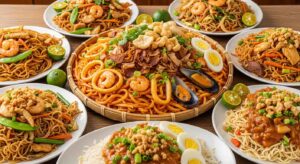
A2: There are literally dozens of pancit varieties, but some of the most iconic include Pancit Canton, Pancit Malabon, Pancit Bihon, and Pancit Palabok. each type varies by noodle thickness, sauce, toppings, and preparation techniques. As an example, Pancit Malabon is known for its thick rice noodles drenched in a radiant orange seafood sauce topped with shrimp, smoked fish flakes, and hard-boiled eggs. On the other hand, Pancit canton uses egg noodles stir-fried with a medley of vegetables, pork, and shrimp, offering a comforting, savory flavor. The diversity reveals the versatility and vibrant creativity within filipino kitchens.
Q3: What ingredients are key to making authentic pancit?
A3: At its core, pancit combines noodles with fresh vegetables (like carrots, cabbage, and green beans), protein (chicken, pork, shrimp, or even tofu), and flavorful sauces or broths. A hallmark ingredient is calamansi-a tiny Filipino citrus fruit that adds a refreshing tang. Depending on the variety, you might find annatto (atsuete) oil coloring the noodles, shrimp broth adding depth, or crushed chicharrón (fried pork cracklings) sprinkled on top for crunch. The harmony of these elements delivers pancit’s signature balance of savory, tangy, and textural delight.
Q4: Is pancit only eaten during special occasions, or is it an everyday dish?
A4: Pancit dances on both ends of the spectrum. While it’s famously associated with celebrations-birthday parties, New Year’s feasts, weddings, and town fiestas-it’s also a beloved everyday comfort food. Street vendors, local eateries, and home cooks whip up pancit daily. Its versatility and satisfying nature make it an accessible, affordable dish that brings people together any day of the week.
Q5: Can pancit be enjoyed by vegetarians or those with dietary restrictions?
A5: Absolutely! pancit is wonderfully adaptable. For vegetarians, it can be made with an array of mushrooms, tofu, and a medley of fresh vegetables, omitting meat and seafood while maintaining its rich flavor through aromatic garlic, soy sauce, and vegetable broth.For gluten-free diets, rice noodles (like bihon and malabon) are perfect alternatives to wheat-based noodles like canton. The key is to embrace creativity and honour the dish’s spirit of bringing diverse ingredients into one harmonious plate.
Q6: What cultural significance does pancit hold beyond just a tasty meal?
A6: Pancit is steeped in symbolism. Traditionally, the long noodles represent long life and good health, making it a must-have at birthday celebrations. Sharing pancit reflects Filipino values of hospitality, family unity, and community bonding. Each region’s pancit tells a ancient tale of trade, migration, and cultural blending, making every bite a tasty connection to the Philippines’ rich past.In short, pancit is not just a dish-it’s a flavorful thread weaving together stories, relationships, and memories.
Q7: Where can one experience the best pancit outside the Philippines?
A7: luckily, the Filipino diaspora has brought pancit to tables around the world. Authentic Filipino restaurants in cities with large Filipino communities-such as Los Angeles, Toronto, Dubai, and Sydney-ofen serve lovingly crafted variations of pancit. Some even offer fusion spins that blend classic flavors with local tastes. For the intrepid home cook, many Filipino markets provide the necessary ingredients to recreate pancit in your own kitchen, promising a comforting culinary journey across oceans.
Whether you’re a first-time taster or a pancit aficionado, exploring this rich world of Filipino noodles opens up a tapestry of flavors, cultures, and stories-one slurp at a time.
In Summary
As we twirl our forks around the delicate strands of pancit, we’re not just savoring a meal-we’re tasting centuries of Filipino history, culture, and community. From the bustling streets of Manila to festive family gatherings, pancit remains a vibrant symbol of connection and celebration. Whether you prefer the savory depth of Pancit Canton or the comforting simplicity of Pancit Malabon, each variation tells its own flavorful story. So next time you bite into these golden noodles,remember: you’re partaking in a rich culinary tradition that continues to weave together the diverse threads of the Philippines-one delicious strand at a time.