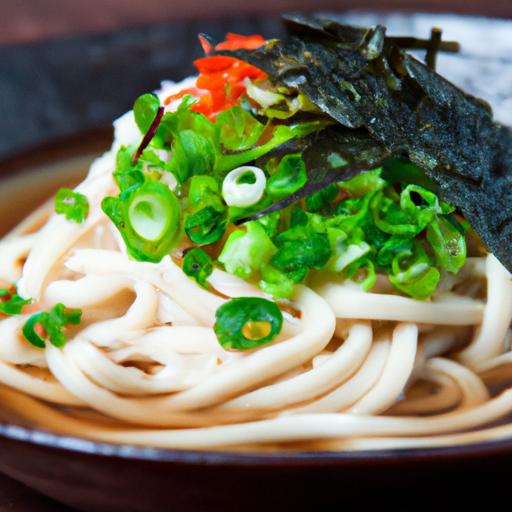

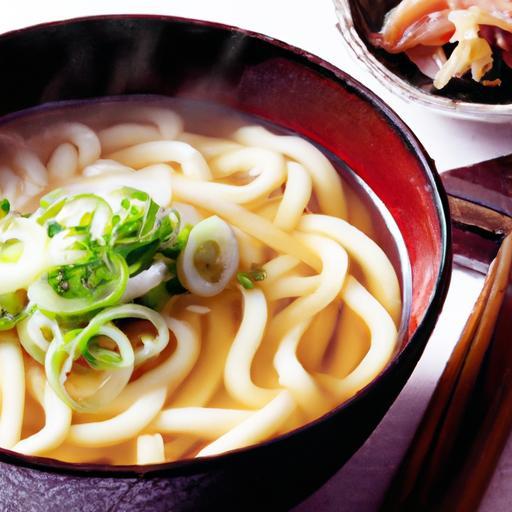
In teh heart of Japan’s rich culinary tapestry lies a humble yet profoundly soulful dish: udon noodle soup. More than just a meal, udon is a celebration of tradition, craftsmanship, and comfort that has been passed down thru generations. Each strand of these thick, chewy noodles tells a story-of local ingredients, regional flavors, and the meticulous artistry that transforms simple components into a warm embrace in a bowl. Join us as we embark on a flavorful journey to discover the soul of Japan through the timeless art of udon noodle soup, where every sip and slurp reveals a deeper connection to culture, history, and the spirit of hospitality.
Discover the Soul of Japan: The Art of Udon Noodle Soup invites you on a culinary voyage through the heart and history of Japan’s beloved comfort food. This humble yet deeply satisfying dish has been cherished for centuries, offering a harmonious balance of texture, flavor, and warmth that transcends seasons and regions.From the bustling streets of Tokyo to the serene temples of Kagawa,udon noodle soup serves as a plateful of culture,tradition,and craftsmanship-each bowl a story bowl blending simple ingredients into a soul-soothing masterpiece.
prep and Cook Time
- Planning: 20 minutes
- Cooking: 30 minutes
- Total Time: 50 minutes
Yield
Serves 4 generously
Difficulty Level
Medium – While basic udon soup is approachable,mastering the broth craftsmanship and noodle texture takes a bit of patience and practice.
Ingredients
- For the Broth (Dashi):
- 6 cups water
- 1 piece kombu (dried kelp),about 4 inches
- 1 cup katsuobushi (bonito flakes)
- Broth Seasoning:
- ¼ cup light soy sauce (usukuchi)
- 3 tbsp mirin
- 1 tbsp sake
- 1 tsp sugar
- For the udon Noodles:
- 400g fresh udon noodles (store-bought or homemade)
- Toppings (optional but customary):
- 2 scallions,finely sliced
- Tempura flakes (tenkasu)
- Kamaboko (fish cake),sliced
- Soft boiled egg
- Shichimi togarashi (Japanese seven-spice)
Instructions
- Prepare the Dashi Broth: In a medium pot,gently wipe kombu with a damp cloth-do not wipe off the white powdery substance as it adds flavor. Soak kombu in 6 cups of cold water for 30 minutes or longer if time allows.
- Place pot over medium heat and slowly bring just to a simmer, watching carefully so the water does not boil. When small bubbles begin to form around kombu, remove the kombu just before the water boils to prevent bitterness.
- Add the katsuobushi (bonito flakes) to the hot water, let simmer for 1 minute, then turn off the heat. Let the bonito flakes steep for 10 minutes. Strain the broth through a fine sieve or cheesecloth into a clean pot.
- Season the Broth: Add the soy sauce, mirin, sake, and sugar to the dashi. Gently warm on low heat to meld flavors, but avoid boiling to preserve brightness and clarity.
- Cook the Udon noodles: Bring a large pot of water to a rolling boil. Add fresh udon noodles and cook according to package directions (usually 2-3 minutes) until tender but with a firm bite.
- Drain udon and rinse briefly under cold water to remove excess starch and prevent overcooking. Reheat noodles briefly in hot water before serving if desired.
- Assemble the Bowl: Divide the noodles evenly into warm serving bowls. Ladle piping hot broth over the noodles, ensuring they’re fully submerged for maximum warmth.
- Top with scallions, a soft boiled egg, kamaboko slices, and tempura flakes. Sprinkle with shichimi togarashi for a subtle spicy kick if you like.
Tips for Success
- Use Quality Kombu and Katsuobushi: Authentic dashi depends on fresh, top-grade ingredients. Look for kombu labeled “Rishiri” or “Makombu,” and opt for bonito flakes over powder.
- Broth Clarity: Avoid boiling kombu and quickly removing it after simmering; this keeps the broth clean in flavor and color.
- Noodle Texture Matters: Fresh udon is ideal for chewy bite; if using dried, cook carefully to avoid mushiness. Rinsing noodles post-cook stops residual starch from clouding the broth.
- Make-ahead Tip: Dashi broth can be refrigerated for up to 3 days or frozen for 2 weeks-perfect for quick udon cravings.
- Vegetarian Option: Replace bonito flakes with dried shiitake mushrooms and kombu onyl for a rich, umami-packed plant-based broth.
Serving Suggestions
For an authentic dining experiance, serve udon in deep, rustic bowls that hold heat well. Presentation is key: scatter fresh scallions and a swirl of silky egg yolk atop the noodles for vibrant contrast. Add a small dish of pickled ginger or a side of tempura to elevate your meal. Enjoy with warm green tea or sake for full immersion into Japan’s comforting cuisine.
| Nutrient | Per Serving |
|---|---|
| Calories | 350 kcal |
| Protein | 15 g |
| Carbohydrates | 55 g |
| Fat | 4 g |

For more traditional Japanese broth tips, visit Japan Guide’s Dashi Overview. Enhance your Japanese noodle game by exploring our Japanese Soba Noodle Soup Recipe for a delightful variation on noodle soups.
Q&A
Q&A: discover the Soul of Japan – The Art of Udon Noodle Soup
Q1: What makes udon noodle soup so special in Japanese cuisine?
A1: Udon noodle soup isn’t just food-it’s a soulful experience. Thick, chewy noodles bathed in a delicate broth capture the essence of Japan’s culinary beliefs: simplicity, harmony, and respect for natural flavors.Each bowl tells a story of regional traditions, seasonal ingredients, and the patient craftsmanship passed down through generations.
Q2: How is the udon noodle itself crafted to achieve its iconic texture?
A2: Udon noodles begin as humble wheat flour,water,and salt,but the magic lies in the kneading and resting process. The dough is pounded and folded repeatedly to develop a supple,elastic texture that’s both hearty and tender. This meticulous technique results in noodles that offer a satisfying chewiness-comfort in every bite.
Q3: What distinguishes the broth used in udon soup?
A3: The broth, or dashi, is the soul of the bowl. Traditionally made from kombu (kelp) and katsuobushi (bonito flakes), it delivers an umami-rich foundation that’s light yet deeply flavorful. Subtle variations, like adding shiitake mushrooms or dried sardines, reflect local tastes and seasonality, making each bowl uniquely expressive.
Q4: Are there regional variations of udon noodle soup across Japan?
A4: Absolutely! From the thick, wheat-forward Sanuki udon of Kagawa Prefecture, served typically cold with a simple soy-based sauce, to the darker, soy-infused broth of Kansai’s Kyo-udon, each region brings its own character.In some areas, toppings may include tempura, green onions, or even raw egg, showcasing the rich tapestry of Japan’s culinary landscape.Q5: How does udon noodle soup embody Japanese cultural values?
A5: Udon exemplifies wabi-sabi-finding beauty in simplicity and imperfection. The humble ingredients, careful preparation, and mindfulness during eating mirror Japan’s broader cultural respect for nature and the present moment. Sharing a bowl of udon is more than nourishment; it’s a connection to heritage,community,and the art of mindful living.
Q6: Can I experience authentic udon noodle soup outside of Japan?
A6: While nothing quite compares to slurping noodles in a bustling Japanese noodle house,authentic udon experiences are blossoming worldwide. Look for shops that make their noodles fresh daily and prepare broth with traditional dashi. Alternatively, home cooks can embark on their own udon journey by crafting noodles from scratch and experimenting with homemade broths-a rewarding dive into Japan’s culinary soul.
Q7: What’s the best way to enjoy udon noodle soup?
A7: Embrace the sensory ritual. Warm your hands around the bowl,inhale the fragrant steam,then slurp boldly-yes,slurping is encouraged! it’s a gesture that cools the noodles and amplifies flavor. Pair the meal with simple side dishes like pickles or tempura to balance textures and enjoy a moment of pure, unhurried contentment.
Unlocking the art of udon noodle soup is like uncovering a secret passage into Japan’s heart-a journey where every strand of noodle and drop of broth tells a story of tradition, taste, and timelessness.
The Way Forward
As steam rises gently from a bowl of udon noodle soup, it carries with it more than just warmth and flavor-it carries centuries of tradition, culture, and heart. Through each tender noodle and savory broth, you glimpse the soul of Japan: a delicate balance of simplicity and depth, patience and care. To savor udon is to partake in a story woven from regional pride, artisanal craft, and the intimate moments of shared meals. So next time you lift your chopsticks to that comforting bowl, remember-you’re not just tasting a dish, but experiencing a living piece of Japan’s enduring spirit.