
in a world increasingly drawn to wholesome, gut-friendly foods, kefir has emerged as a beloved elixir of wellness. traditionally crafted from cow’s milk, this tangy, effervescent probiotic drink has nurtured digestive health for centuries. But what if you’re seeking dairy-free alternatives that are just as luscious and beneficial? Enter the world of coconut and almond kefir-creamy, plant-powered cousins that marry tropical richness and nutty warmth with thriving probiotic life. In this exploration, we’ll dive into how these dairy-free kefirs are made, their unique flavors, health perks, and why they might just be the next delicious addition to your gut-loving repertoire.
Embracing Plant-Based Goodness The Nutritional Power of coconut and Almond Kefir
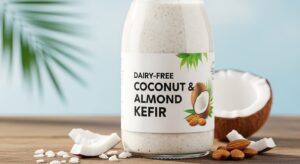
Creamy & Probiotic: Exploring Dairy-Free Coconut & Almond Kefir opens the door to a world were gut health meets indulgence. This luscious, dairy-free alternative captures the essence of customary kefir but with vibrant plant-based ingredients, delivering natural probiotics alongside a rich, velvety texture. Originating from ancient fermentation techniques, coconut and almond kefir have surged in popularity due to their remarkable nutritional profile, supporting digestion and immune health while tantalizing your palate with their subtly sweet, nutty notes.
Prep and Cook Time
- Preparation Time: 10 minutes
- Fermentation Time: 24 to 48 hours
- Total Time: 1 to 2 days (mostly passive fermentation)
Yield
- Approximately 4 cups (1 liter) of dairy-free kefir
Difficulty Level
- Easy: Perfect for beginners with simple ingredients and minimal hands-on time
Ingredients
- 1 cup raw almonds, soaked overnight and peeled for smoothness
- 3 cups filtered water, room temperature
- 1 cup fresh young coconut meat or canned unsweetened coconut cream
- 2 tablespoons kefir starter grains or probiotic capsules (ensure dairy-free)
- 1 tablespoon maple syrup or agave (optional for mild sweetness)
- 1 teaspoon vanilla extract (optional, for flavor depth)
Instructions
- Soak and prepare almonds: Drain soaked almonds and remove skins for a creamier texture. This step is key to achieving a silky consistency in your kefir.
- Blend base ingredients: Combine almonds, coconut meat (or cream), and filtered water in a high-speed blender. Blend until ultra-smooth, about 1-2 minutes.The natural fat from coconut creates a luxuriously creamy texture you’ll adore.
- Activate probiotics: Stir in kefir grains or probiotic powder and maple syrup to feed the cultures, enhancing fermentation.
- Ferment: Pour mixture into a clean glass jar, cover with a breathable cloth secured with a rubber band. Leave at room temperature (68-78°F) for 24 to 48 hours. For tangier kefir, ferment longer but monitor to prevent over-souring.
- Strain and refrigerate: Once fermented, strain through a nut milk bag or fine mesh to remove pulp, reserving the liquid kefir. Store in the fridge up to 7 days, shaking gently before each use.
Tips for Success
- Use filtered water to prevent chlorine from inhibiting fermentation.
- If using probiotic capsules, double-check they are dairy-free and contain multiple strains for robust gut benefits.
- Adjust fermentation time to your taste-shorter for mild kefir, longer for pronounced tang and probiotics.
- Save used pulp in smoothies,baking,or as a creamy face mask-a zero-waste bonus!
- Try adding a pinch of sea salt or a few drops of lemon juice after fermentation for a flavor boost.
Serving Suggestions
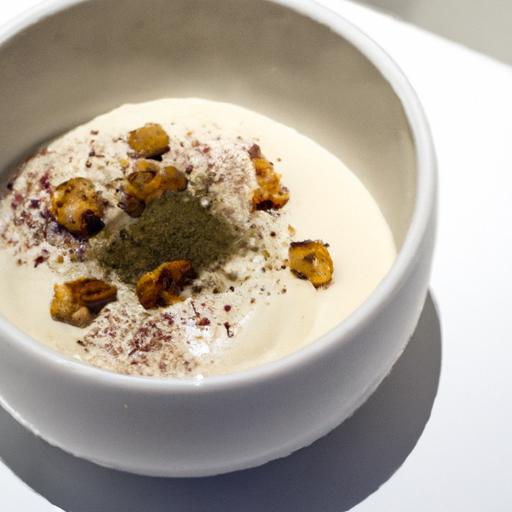
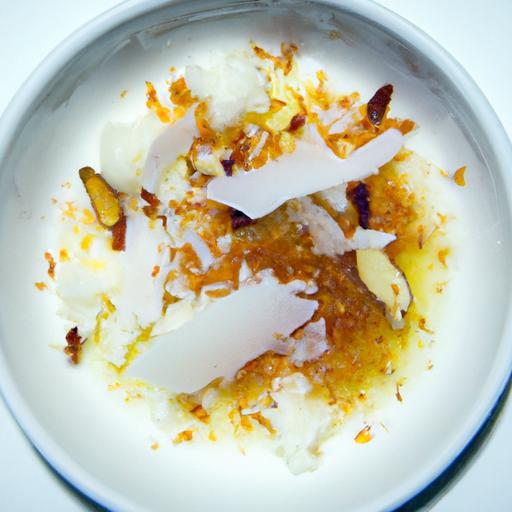
Serve your coconut or almond kefir chilled in a beautiful glass jar or ceramic bowl. Garnish with fresh mint, a sprinkle of cinnamon, or sliced tropical fruits like mango or papaya to complement its natural creaminess.For a nourishing breakfast, drizzle with raw honey and scatter toasted coconut flakes or crushed pistachios on top.
use the kefir as a base for vibrant smoothies, homemade salad dressings, or creamy overnight oats. Its subtle sweetness and smooth texture also make it ideal for vegan desserts like panna cotta or chia pudding.
| Nutrient | Per 1 Cup Serving |
|---|---|
| Calories | 120 |
| Protein | 4g |
| Carbohydrates | 8g |
| Fat | 9g |
Discover more plant-based probiotic recipes in our Plant-based Fermented Delights collection and expand your dairy-free repertoire.
For additional insights on fermentation science and gut health, visit National Center for Complementary and Integrative Health.

Q&A
Q&A: Creamy & Probiotic: Exploring Dairy-Free Coconut & Almond Kefir
Q1: What exactly is kefir, and how does dairy-free kefir differ from traditional versions?
A: Kefir is a tangy, fermented beverage rich in probiotics, originating from the Caucasus Mountains.Traditionally, it’s made by fermenting cow’s or goat’s milk with kefir grains-symbiotic cultures of bacteria and yeast.Dairy-free kefir, conversely, is crafted by fermenting plant-based milks like coconut or almond with similar kefir cultures, creating a creamy, gut-friendly drink without any dairy. This makes it ideal for those who are lactose intolerant, vegan, or simply curious about non-dairy fermentation.
Q2: Why choose coconut or almond as the base for dairy-free kefir?
A: Coconut and almond milks bring unique flavors and nutritional perks to kefir. Coconut milk offers a rich, creamy texture and a hint of tropical sweetness along with healthy fats.Almond milk provides a subtle nutty undertone with a lighter body and fewer calories. Both bases serve as excellent canvases for probiotic cultures, balancing richness with digestibility while keeping things plant-friendly and dairy-free.
Q3: How is coconut or almond kefir made? Is it complicated?
A: Making these kefirs is surprisingly simple! Plant milk is combined with kefir grains or existing starter culture and left to ferment at room temperature for about 24-48 hours. During this time, the microbes feast on natural sugars, producing lactic acid and a slight fizzy effervescence.The result? A refreshing, tangy drink that’s creamy, probiotic-rich, and ready to nourish your gut flora. For home fermenters, patience and a clean environment are key.
Q4: What are the health benefits of drinking coconut or almond kefir?
A: Beyond being deliciously creamy and dairy-free,these kefirs are packed with probiotics-the friendly bacteria and yeasts that help balance your gut microbiota. This can improve digestion, bolster immunity, and even enhance mood by supporting the gut-brain axis.Additionally,coconut kefir offers medium-chain triglycerides (MCTs),which are fast energy sources,while almond kefir contributes vitamin E and antioxidants. Together, they make a gut-friendly powerhouse.
Q5: Can dairy-free kefir be used in recipes, or is it just a drink?
A: Absolutely! think beyond the glass-coconut and almond kefir add a tangy creaminess to smoothies, salad dressings, and soups. You can even use it as a dairy-free substitute in baking recipes calling for buttermilk or yogurt to add depth and tender crumb. Its vibrant probiotic cultures add a subtle zing, turning everyday dishes into health-enhancing delights.
Q6: Are there any taste differences between coconut and almond kefir?
A: Yes! Coconut kefir tends to be richer and more tropical, often with a slight sweetness and creamy mouthfeel reminiscent of a piña colada. Almond kefir feels lighter and nuttier with a gentle tartness, more akin to a tangy almond milkshake. Both maintain the signature kefir tang, but the base milk subtly colors the overall experience.
Q7: Where can I find dairy-free kefir, or how do I get started making it at home?
A: Many health food stores and specialty markets carry dairy-free kefir now, frequently enough labeled as coconut or almond kefir. For DIY enthusiasts,you can buy kefir grains online that work with plant milks or get a starter culture designed for non-dairy fermentation. Just ensure your plant milk is unsweetened and free of preservatives, as additives can inhibit fermentation. With some trial and error, you’ll cultivate your own creamy, probiotic elixir in no time!
discover how these luscious, dairy-free kefirs are transforming gut health with every creamy sip-no cows required!
In Retrospect
As we’ve journeyed through the creamy, tangy world of coconut and almond kefir, it’s clear that these dairy-free delights offer more than just a tasty alternative-they bring a vibrant fusion of probiotics, nutrition, and versatility to the table. Whether you’re seeking to nourish your gut, embrace plant-based living, or simply crave a new flavor adventure, coconut and almond kefirs invite you to sip your way to wellness without compromise. So next time you reach for a probiotic boost, consider the tropical richness of coconut or the subtly nutty charm of almond kefir-your gut (and your taste buds) will thank you.