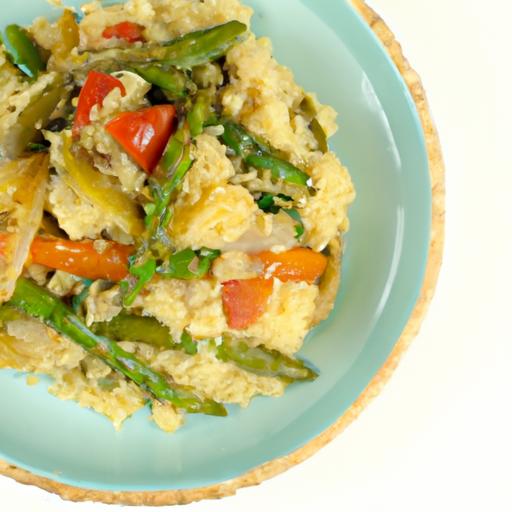

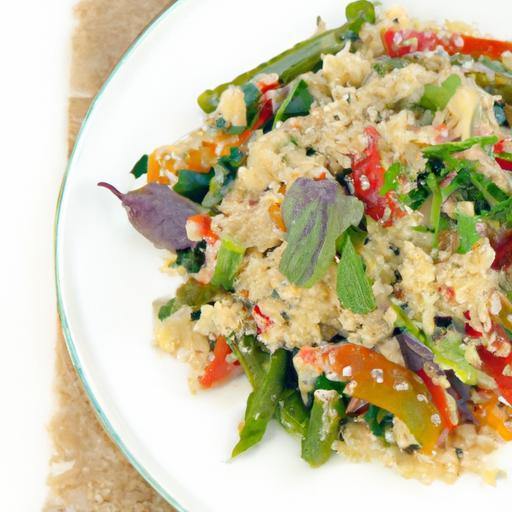
Bursting with vibrant hues and a symphony of textures, couscous with seven vegetables is more than just a dish-it’s a culinary journey that celebrates the harmony of nature’s bounty. Rooted in North African tradition yet embraced worldwide, this colorful medley invites you to explore a tapestry of flavors where tender, fluffy couscous meets an orchestra of fresh, seasonal vegetables. Each bite tells a story of health, culture, and creativity, making it a feast for both the eyes and the palate. Join us as we delve into the origins, ingredients, and irresistible charm of couscous with seven vegetables-a dish that transforms simple ingredients into a vibrant party of life itself.
couscous with Seven Vegetables: A Colorful Flavor Journey
Couscous with Seven Vegetables: A Colorful Flavor Journey invites you into a tapestry of vibrant colors, fresh textures, and aromatic spices that capture the true essence of North African cuisine. This dish, rooted in tradition yet welcoming to creativity, transforms humble ingredients into an irresistible medley of flavors and hues, inspiring both seasoned cooks and eager novices alike. Whether gathered around a festive table or seeking a wholesome weeknight meal, this dish celebrates the magical harmony between simple vegetables and distinctive couscous.
Prep and Cook Time
- Readiness: 20 minutes
- Cooking: 35 minutes
- Total: 55 minutes
Yield
Serves 6 generously
Difficulty Level
Medium – suitable for cooks comfortable with multitasking and balancing spices
Ingredients
- 1½ cups medium-grain couscous
- 2 tbsp extra virgin olive oil
- 1 medium zucchini, diced
- 1 large carrot, cut into matchsticks
- 1 medium eggplant, peeled and cubed
- 1 red bell pepper, diced
- 1 yellow bell pepper, diced
- 1 cup butternut squash, peeled and cubed
- 1 medium onion, finely chopped
- 3 cloves garlic, minced
- 1 tsp ground cumin
- 1 tsp smoked paprika
- ½ tsp ground cinnamon
- ½ tsp turmeric powder
- Salt and freshly ground black pepper, to taste
- 2 cups vegetable broth, heated
- ¼ cup fresh flat-leaf parsley, chopped
- 2 tbsp fresh mint, chopped
- 1 tbsp lemon juice
- Toasted pine nuts, for garnish (optional)
Instructions
- Prepare the vegetables: Wash and dice all vegetables uniformly to ensure even cooking and create a visually balanced plate.
- Sauté the aromatics: Heat 1 tablespoon of olive oil in a large skillet over medium heat. Add the chopped onion and garlic, cooking until translucent and fragrant, about 4 minutes.
- Add spices: Stir in ground cumin, smoked paprika, turmeric, and cinnamon. Cook for 1 minute until the spices bloom, exuding their warm scent.
- Cook the vegetables: Add zucchini, carrot, eggplant, butternut squash, and both bell peppers. Sauté gently for 8-10 minutes, stirring occasionally to lightly caramelize while keeping veggies tender-crisp.
- Add broth and simmer: pour in the hot vegetable broth, reduce heat to low, cover, and simmer for 12-15 minutes until vegetables are tender but vibrant.
- Prepare couscous: Place couscous in a large bowl.Pour over the remaining 1 tablespoon of olive oil and lemon juice. Gradually add 2 cups of boiling water (or broth), cover tightly with a plate or plastic wrap, and let it steam for 8-10 minutes.
- Fluff couscous: Using a fork, gently separate the couscous grains for a light, airy texture free of clumps.
- Combine and finish: Fold the cooked vegetable mixture into the fluffy couscous. Stir in the chopped parsley and mint. Season with salt and pepper to taste.
- Garnish and serve: Transfer to a wide shallow dish or individual plates. Sprinkle toasted pine nuts across the top to add a toasty crunch and nutty aroma.
Tips for Success
- Choosing vegetables: Select colorful, firm, and fresh produce to maximize both flavor and presentation. The seven vegetable blend is flexible-try swapping in sweet corn or cherry tomatoes for seasonal flair.
- Spice balance: To create a perfectly aromatic dish, toast spices briefly before adding liquids. Adjust heat by adding a pinch of cayenne or smoked chili for warmth.
- Couscous texture: Avoid clumping by fluffing with a fork and preventing excess moisture. If needed,drain any residual liquid before combining.
- Make-ahead: Prepare the vegetables and couscous separately up to 24 hours ahead. Reheat gently and combine just before serving to maintain freshness and texture.
- Vegan/Gluten-Free: Use gluten-free couscous alternatives such as millet or quinoa if preferred.
Serving Suggestions
Elevate your couscous experience by serving this dish with a dollop of cooling labneh or creamy Greek yogurt drizzled with warm honey. A side of harissa sauce adds vibrant spice for those who crave it.Garnish with edible flowers like nasturtiums or colorful pomegranate seeds for a visual feast. Complement this meal with a fresh cucumber and tomato salad tossed in lemon vinaigrette, and sip on a chilled Moroccan mint tea to round out the sensory journey.

| Nutrient | per Serving |
|---|---|
| Calories | 320 kcal |
| Protein | 7 g |
| Carbohydrates | 55 g |
| Fat | 6 g |
For more tantalizing recipes with couscous, check out our Moroccan Spiced Chickpea Couscous guide. To deepen your understanding of North African spices, visit Britannica: Moroccan Cuisine.
Q&A
Q&A: Couscous with Seven Vegetables – A Colorful Flavor Journey
Q1: What makes couscous with seven vegetables such a unique dish?
A1: Couscous with seven vegetables is a vibrant tapestry of colors, textures, and aromas. It’s not just a meal; it’s a celebration of nature’s bounty. Each vegetable brings its own essence,creating a harmonious blend that excites the palate and nourishes the body. this dish transforms humble ingredients into a sensory adventure, symbolizing diversity and balance on a single plate.
Q2: Which vegetables are typically included in this dish?
A2: Traditional recipes usually feature a rainbow of vegetables like carrots, zucchini, pumpkin, tomatoes, chickpeas, cabbage, and onions. However, the “seven vegetables” can vary depending on the season and region, often including eggplants, turnips, or bell peppers.The key is variety-each vegetable contributes a different flavor,colour,and texture,making the dish both visually stunning and delightfully complex.
Q3: How are the vegetables prepared to maintain their vibrant colors and flavors?
A3: The secret lies in thoughtful cooking techniques.Vegetables are often tossed and simmered gently, allowing them to release their natural sweetness without losing their structure. steaming or lightly sautéing preserves the vivid hues, while slow cooking in aromatic broth infuses flavors deeply. The balance ensures that the vegetables remain shining, tender, and full of character, turning every bite into a fresh and flavorful experience.
Q4: What role does the couscous play in this ensemble?
A4: Think of couscous as the soft, fluffy canvas for this colorful masterpiece.It soaks up all the aromatic juices and spices from the vegetables, binding the flavors together. Its light, airy texture contrasts beautifully with the tender, sometimes slightly crisp vegetables, providing a satisfying mouthfeel. The couscous essentially ties the story of the seven vegetables into one flavorful narrative.
Q5: Are there specific spices that define the flavor profile?
A5: absolutely! Warm spices like cumin, coriander, cinnamon, and turmeric are the soul of this dish, lending earthiness and warmth.Sometimes a hint of ginger or saffron adds brightness and depth. Fresh herbs such as cilantro or parsley finish the dish with a burst of freshness. These spices don’t overshadow the vegetables but enhance their natural flavors, creating an irresistible aromatic symphony.
Q6: Can this dish be adapted for different dietary preferences?
A6: Definitely. Couscous with seven vegetables is incredibly versatile. It naturally caters to vegetarian and vegan diets. For gluten-free options, millet or quinoa can substitute for traditional couscous. Protein can be added via chickpeas or lamb, depending on preference. the dish’s adaptability makes it perfect for anyone seeking a healthy, hearty, and flavorful meal.
Q7: What cultural meaning does couscous with seven vegetables hold?
A7: This dish is a culinary emblem of North African heritage, especially in Morocco, Algeria, and Tunisia. It’s often prepared for gatherings and celebrations, symbolizing hospitality, community, and abundance. The seven vegetables represent harmony and completeness,reflecting a deep respect for nature’s generosity and the joy of sharing food with loved ones.Q8: Why should someone embark on the flavor journey of couscous with seven vegetables?
A8: Because it’s more than just food-it’s an experience. Each forkful tells a story of tradition, creativity, and mindful nourishment. This dish invites you to savor the extraordinary in the everyday,to explore spices that dance on your tongue,and to appreciate the simple beauty of vegetables transformed into art. Embarking on this flavor journey awakens your senses and connects you to a timeless culinary ritual.
Insights and Conclusions
As the final grains of couscous settle into the vibrant embrace of seven fresh vegetables, we are reminded that this dish is more than just a meal-it’s a celebration of color, culture, and culinary harmony. Each vegetable brings its own story, texture, and taste, weaving together a tapestry of flavors that invite both the palate and the inventiveness to explore. Whether enjoyed as a comforting family feast or an adventurous introduction to North African cuisine, couscous with seven vegetables offers a delicious journey that nourishes body and soul alike. So next time you seek a bowl of warmth and vibrancy, let this timeless dish guide you thru a flavorful voyage worth savoring.