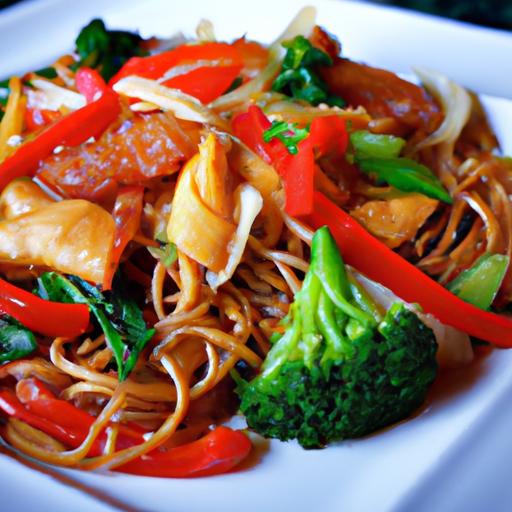

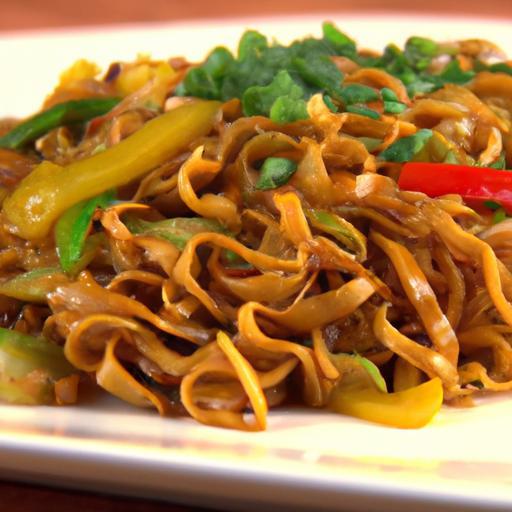
In the world of culinary delights, few dishes capture the imagination quite like chow mein-a sizzling symphony of textures and flavors that dances on the palate with every bite. Beyond its status as a beloved staple in Chinese cuisine, chow mein is an artful celebration of crispy fried noodles, infused with layers of savory ingredients and mastery passed down through generations. This article peels back the layers of chow mein’s rich heritage, revealing the secrets behind its irresistible crunch and the vibrant medley of tastes that make it a timeless favorite. Join us as we journey into the heart of this iconic dish, uncovering the craft, culture, and creativity that bring chow mein to life on the plate.
Chow Mein Unveiled: The Art & Flavor of Crispy Fried Noodles is more than just a dish; it’s a culinary journey weaving rich history with vibrant textures and savory layers. Originating from northern China, chow mein-literally meaning “fried noodles”-has evolved through centuries, embracing regional nuances and cultural influences. Whether enjoyed as a bustling street food in Beijing or a family favorite in San Francisco’s chinatown, its universal appeal lies in the delicate balance of crispy edges and fluffy interiors that make every bite a textural celebration.
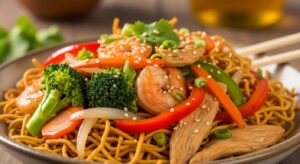
prep and Cook Time
Planning: 25 minutes | Cooking: 15 minutes | Total Time: 40 minutes
Yield
Serves 4 generous portions
Difficulty Level
Medium – Ideal for home cooks with basic to intermediate kitchen skills aiming to master perfect noodle textures
Ingredients
- 8 oz fresh egg noodles, preferably thin and medium-width
- 3 tablespoons vegetable oil, divided
- 1 cup shredded cabbage
- 1/2 cup julienned carrots
- 1/2 cup sliced shiitake mushrooms, soaked if dried
- 3 cloves garlic, minced
- 2 green onions, thinly sliced
- 1/4 cup soy sauce, low sodium
- 1 tablespoon oyster sauce
- 1 teaspoon toasted sesame oil
- 1/2 teaspoon white pepper
- 1 teaspoon sugar
- Optional protein: 1 cup cooked chicken, shrimp, or tofu, chopped
Instructions
- Prepare noodles: Blanch fresh noodles in boiling water for 30 seconds until pliable but not fully cooked. Drain and rinse under cold water to stop cooking. Toss with 1 teaspoon vegetable oil to prevent sticking.
- Sauté vegetables: Heat 1 tablespoon vegetable oil in a large wok over medium-high heat. Add garlic and mushrooms, stirring for 1 minute until fragrant.
- Add shredded cabbage and carrots, stir-frying until just tender, about 3 minutes. remove vegetables and set aside to maintain crispness.
- Fry noodles: Wipe the wok clean, add remaining 1 tablespoon oil, and increase heat to high. Carefully spread noodles in an even layer,pressing slightly to promote crisping. Let cook undisturbed for 3-4 minutes until the bottom golden crust forms.
- Flip and steam: Using a large spatula, flip half of the noodles over to expose the uncooked side. Add 2 tablespoons water around the edges, cover promptly to steam the noodles and keep them fluffy inside, cooking 2-3 minutes.
- Return vegetables (and protein, if using) to the wok, stirring gently to combine with noodles.
- Season: Mix soy sauce, oyster sauce, sesame oil, white pepper, and sugar in a small bowl. Drizzle evenly over the noodles and vegetables, tossing gently to coat and caramelize lightly for 1-2 minutes.
- Finish with sliced green onions for a fresh pop of flavor and serve immediately.
Tips for Success
- For perfect crispy noodles, avoid overcrowding the pan and use high heat to crisp the bottom layer quickly.
- Fresh egg noodles yield the best texture, but dried can be substituted-just adjust blanching time accordingly.
- Steaming after flipping is key to achieving that unique harmony of crispy exterior and tender interior.
- Customize proteins and vegetables based on seasonality or preference; shrimp adds a delicate sweetness, while tofu keeps it vegetarian-amiable.
- Make ahead: Prepare noodles and veggies separately and combine them in the wok just before serving for freshest texture.
Serving Suggestions
Plate the chow mein on warm dishes to maintain crispness. Garnish with toasted sesame seeds and thinly sliced chili peppers for a mild kick. Serve alongside a dipping sauce made from soy sauce, rice vinegar, and freshly grated ginger for contrast. Pair this dish with light, crisp white wines or jasmine tea to complement its savory complexity.
| Nutrient | Per Serving |
|---|---|
| Calories | 320 kcal |
| Protein | 14 g |
| Carbohydrates | 40 g |
| Fat | 10 g |

For a deeper dive into noodle techniques and Asian culinary traditions, visit Serious Eats. Also,we offer a detailed guide on perfect pan-fried dumplings to complement your chow mein experience.
Q&A
Q&A: Chow Mein Unveiled: The Art & Flavor of Crispy Fried Noodles
Q1: What exactly is Chow Mein?
A1: Chow Mein, translating to “stir-fried noodles” in Cantonese, is a beloved Chinese dish that centers around noodles pan-fried to a tantalizingly crispy texture.It’s a symphony of textures and flavors where crunchy edges meet tender noodles, all coated in a savory sauce and tossed with fresh vegetables, proteins, or tofu. Think of it as a culinary dance between wok-fired heat and ingredient harmony.
Q2: What makes Chow Mein’s noodles crispy?
A2: The secret to Chow Mein’s signature crispiness lies in the cooking technique. Traditionally, the noodles are parboiled until just tender, then drained and sometimes tossed in a little oil. they’re then fried in a blazing hot wok or pan, allowing the bottom layer to caramelize and crisp up beautifully. This contrast between the crunchy base and the soft, saucy toppings creates an irresistible texture play.
Q3: Are there different styles of Chow Mein?
A3: Absolutely! Chow Mein shines in many regional avatars. As a notable example, in cantonese cuisine, Chow Mein typically features thin egg noodles that are pan-fried until golden and crispy. Meanwhile, in American-Chinese eateries, you might find softer, thicker noodles stir-fried with a generous heap of stir-fried vegetables and meat. There’s also the Northern Chinese style that frequently enough incorporates a noodle stew base, making it softer and saucier. Each style tells a unique story of local tastes and culinary traditions.
Q4: What ingredients elevate the flavor of Chow Mein?
A4: A balance of fresh,vibrant ingredients is key. Crisp bean sprouts, crunchy bok choy, tender julienned carrots, and aromatic green onions add layers of freshness. Protein options like juicy chicken, succulent shrimp, or earthy mushrooms complement the noodles perfectly. The flavor magic happens with soy sauce, oyster sauce, a hint of sesame oil, and sometimes a whisper of ginger and garlic.The wok’s intense heat is the final ingredient that brings everything together in smoky harmony.
Q5: Can Chow Mein be adapted for dietary preferences?
A5: Certainly! Chow Mein’s versatility makes it a perfect canvas for all diets. For vegetarians or vegans,simply swap meats for tofu or tempeh and load up on colorful vegetables. Gluten-free noodles can replace conventional wheat varieties to accommodate sensitivities. Lighten it up with a splash of vegetable broth instead of heavy sauces, or turn up the spice with chili oil for those who crave a fiery kick.Chow Mein invites creativity while honoring its crispy roots.
Q6: How can home cooks master the art of crispy chow Mein?
A6: Mastery begins with preparation and heat control. Use noodles that hold up well to frying, avoid overcooking them beforehand, and make sure the pan or wok is hot enough to instantly sizzle the noodles upon contact. Work quickly, spreading the noodles in an even layer so they crisp evenly. Layer in your sautéed veggies and sauce just before serving to preserve that irresistible crunch.With practice, each wok session becomes a crispy, fragrant celebration.
Q7: Why does Chow mein continue to captivate taste buds globally?
A7: Chow Mein boldly straddles the line between comforting and exciting. Its crispy noodles offer a textural thrill, while its adaptable flavors resonate across palates and cultures. It tells a story of tradition and innovation, inviting eaters to savor the alchemy of simple ingredients transformed by skillful technique. In every crackle of those golden noodles lies a heritage that’s both timeless and ever-evolving.
Concluding Remarks
As the last strands of crispy, golden chow mein disappear from your plate, you’re left with more than just a satisfying crunch-you carry with you a story of tradition, technique, and timeless flavor. The art of crafting the perfect fried noodle dish is a harmonious blend of careful preparation, skilled wok mastery, and a deep thankfulness for balance in texture and taste. Whether enjoyed as a humble street food or a centerpiece at a celebratory feast, chow mein invites us to savor not only its delightful layers but also the rich cultural tapestry it represents. So next time you tuck into those irresistible noodles, remember: each bite is a delicious tribute to a culinary craft perfected over generations.