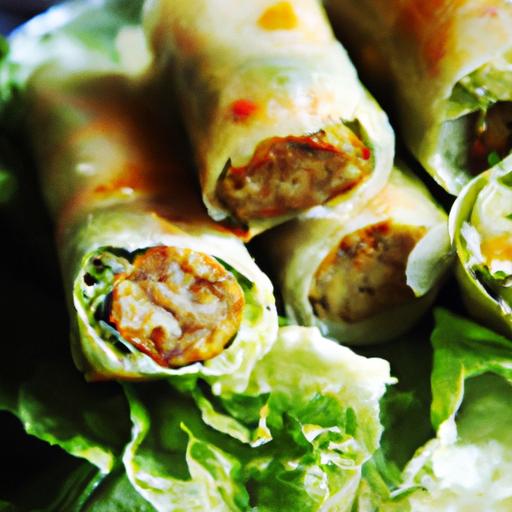

In the vibrant tapestry of Vietnamese cuisine,few dishes capture the essence of street food culture quite like Bun Cha Gio. This crispy vermicelli delight, known for its harmonious blend of textures and flavors, invites food lovers on a sensory journey through bustling markets and family gatherings alike. Beneath its golden, crunchy exterior lies a symphony of savory fillings, perfectly complemented by fresh herbs and tangy dipping sauces. In this article, we’ll unwrap the story, ingredients, and irresistible appeal of Bun Cha Gio-Vietnam’s beloved crispy vermicelli that continues to enchant palates around the world.
Bun Cha Gio is much more than just a meal; it is indeed a vibrant celebration of Vietnam’s culinary heritage. This dish combines crispy spring rolls with fresh vermicelli noodles, creating a symphony of textures and flavors that dance on the palate. rooted in Hanoi’s bustling street food culture, Bun Cha Gio Unwrapped draws from generations of tradition, offering a taste that is both nostalgic and refreshingly contemporary.
Prep and Cook time
- Preparation: 25 minutes
- Cooking: 15 minutes
- Total Time: 40 minutes
Yield
- Serves 4 hungry guests
Difficulty Level
- Medium – Perfect for adventurous home cooks
Ingredients
- Spring Rolls:
- 20 sheets rice paper (bánh tráng), softened
- 1 cup ground pork
- ½ cup shrimp, chopped finely
- 1 cup shredded carrot
- ½ cup diced wood ear mushrooms, soaked and chopped
- 2 cloves garlic, minced
- 2 tablespoons fish sauce
- 1 teaspoon black pepper
- 1 egg, beaten
- Vermicelli Noodles and Accompaniments:
- 200g dry vermicelli rice noodles
- 1 cup fresh baby lettuce leaves
- ¼ cup fresh mint leaves
- ¼ cup fresh cilantro
- 1 cucumber, julienned
- 1 cup pickled daikon and carrot
- Dipping Sauce (Nước chấm):
- 3 tablespoons fish sauce
- 3 tablespoons lime juice
- 2 tablespoons sugar
- 1 clove garlic, minced
- 1 small red chili, finely sliced
- ½ cup warm water
- Oil for deep frying
Instructions
- Prepare the spring roll filling: In a large bowl, combine ground pork, chopped shrimp, shredded carrot, wood ear mushrooms, garlic, fish sauce, black pepper, and beaten egg. Mix thoroughly until all ingredients are well incorporated.
- Roll the spring rolls: Lay a softened rice paper sheet on a clean surface. Place about 2 tablespoons of filling near one edge. Fold the sides tightly inward, then roll firmly from the filling edge to the opposite end, creating a compact cylinder. Repeat with remaining sheets and filling.
- Cook the vermicelli noodles: Bring a pot of water to a boil. Add vermicelli noodles and cook according to package instructions (about 3-4 minutes). Drain and rinse under cold water to prevent sticking. Set aside.
- Heat oil for frying: Fill a deep pan with vegetable oil about 2 inches deep and heat to 350°F (175°C). To test the oil, drop a small piece of rice paper; it should sizzle promptly.
- Fry spring rolls: carefully add spring rolls in batches, frying for 3-4 minutes or until golden brown and crisp, turning occasionally. remove and drain on paper towels to eliminate excess oil.
- Make the dipping sauce: Whisk fish sauce, lime juice, sugar, minced garlic, chili, and warm water until sugar dissolves. Adjust sweetness or acidity to your taste preference.
- Assemble the bowls: Divide vermicelli noodles into serving bowls. Top with fresh herbs, lettuce, cucumber, and pickled vegetables. Arrange fried spring rolls on top or on the side.
- Serve: Pour dipping sauce over the bowl or serve on the side for dipping. Encourage diners to combine all elements in each bite for the perfect harmony of crispy, fresh, and savory flavors.
Tips for Success
- Spring Roll Wrapping: ensure rice papers are just softened – overly wet sheets tear easily.
- Frying Temperature: Keep oil between 340°F-350°F to achieve a crisp, non-greasy finish.
- Make-Ahead: Roll spring rolls up to a day ahead and refrigerate. Fry them fresh for best texture.
- Ingredient Substitutions: Swap pork with chicken or tofu for variation, but keep texture balanced with finely chopped vegetables.
- Balancing Flavors: Adjust sauce components to fit your palate-more lime for tang,sugar for sweetness,or chili for heat.
- Fresh Herbs: Don’t skimp on fresh mint, cilantro, and lettuce; they brighten every bite.
Serving Suggestions
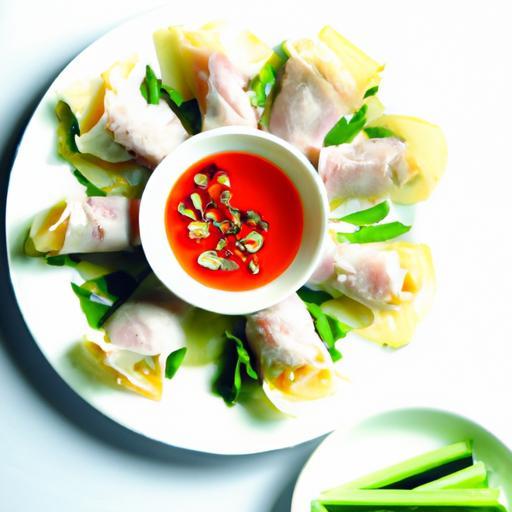
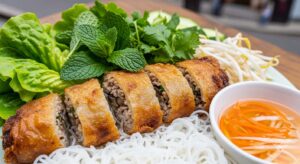
For an authentic presentation, serve the crispy spring rolls atop a bed of tangled vermicelli noodles and a vibrant mix of fresh herbs and crunchy vegetables. Provide small bowls of dipping sauce on the side, allowing your guests to dip generously or drizzle over their bowls. Garnish with crushed roasted peanuts and thinly sliced red chili for an added crunch and pop of color. Pair with a chilled jasmine tea or a light Vietnamese lager to complete the experience.

| Nutrient | Per Serving |
|---|---|
| Calories | 420 kcal |
| Protein | 28 g |
| Carbohydrates | 45 g |
| Fat | 14 g |
Explore further the rich world of Vietnamese flavors by checking out our Vietnamese Fresh Herb Guide for perfect herb pairings. For an in-depth historical outlook, visit Vietnam online, a trusted source on Vietnam’s culinary traditions.
Q&A
Q&A: Bun Cha Gio Unwrapped – Vietnam’s Crispy Vermicelli Delight
Q1: What exactly is Bun Cha Gio?
A1: bun Cha Gio is a beloved Vietnamese dish that melds crispy fried spring rolls (cha gio) with fresh vermicelli noodles (bun) in a harmonious bowl of textures and flavors. Think of it as a delightful fusion of crunchy, fresh, savory, and sweet – each bite a journey through Vietnam’s culinary artistry.
Q2: Were does Bun Cha Gio originate from?
A2: Bun Cha gio hails from the vibrant streets of Vietnam, where street vendors have perfected this dish over decades. It’s a staple in Vietnamese households and eateries, reflecting the nation’s love for fresh herbs, delicate noodles, and crispy delights.
Q3: What makes Bun Cha Gio unique compared to other Vietnamese dishes?
A3: while Vietnamese cuisine frequently enough highlights fresh herbs and simple preparations, Bun Cha gio stands out for its crispy fried spring rolls nestled atop soft vermicelli noodles. The contrast between crunchy and tender, combined with fresh vegetables and a tangy fish sauce dressing (nuoc cham), creates a multi-layered experience that dances on the palate.
Q4: What are the main ingredients?
A4: The star ingredients include:
- Cha gio (fried spring rolls), typically stuffed with a savory mix of ground pork, mushrooms, glass noodles, and sometimes shrimp.
- Fresh rice vermicelli noodles (bun), light and delicate.
- Crisp lettuce and fresh herbs like mint, cilantro, and Vietnamese basil.
- Pickled carrots and daikon for a sweet-tart crunch.
- Nuoc cham,a tangy dipping sauce made of fish sauce,lime,sugar,garlic,and chili.
Q5: How is Bun Cha Gio traditionally served?
A5: Bun Cha Gio is traditionally presented as a bowl of vermicelli noodles topped with lettuce, herbs, and a generous pile of crispy spring rolls, accompanied by pickled vegetables.The nuoc cham is either poured over the bowl or served on the side for dipping, allowing each diner to adjust the flavour to their liking.
Q6: Can Bun cha Gio be customized for different tastes or dietary preferences?
A6: Absolutely! The filling of cha gio can be adapted with chicken, tofu, or mushrooms for vegetarians. The dish’s fresh herbs can be swapped or added to taste, and the nuoc cham sauce can be altered in sweetness or spice level. It’s a flexible dish that welcomes creativity while honoring tradition.
Q7: What’s the best way to enjoy Bun Cha Gio?
A7: The magic lies in layering bites to capture every element – a bit of noodle, a crunchy spring roll segment, a leaf of herb, and a splash of nuoc cham. Eating it fresh and immediately ensures the cha gio stays crisp, enhancing the delightful textural contrast that defines the dish.
Q8: Why has Bun Cha Gio gained popularity internationally?
A8: Bun Cha Gio resonates beyond Vietnam’s borders because it offers a perfect balance of comfort and complexity. Its approachable ingredients and unique crunch make it a favorite among food lovers seeking authentic flavors wrapped in an inviting form. Plus, with the global rise of Vietnamese cuisine, Bun Cha Gio is a crunchy ambassador of Vietnam’s rich food heritage.Q9: Can I make Bun cha Gio at home?
A9: Yes! While it requires some technique-especially frying cha gio to golden perfection-numerous recipes and cooking tutorials break down the process into manageable steps. Homemade versions allow fans to tailor fillings and fresh herbs, making it a rewarding kitchen adventure.
Q10: Any tips for first-timers trying Bun Cha Gio?
A10: Embrace the contrasts-don’t be shy to mix crunchy and soft, sweet and sour, spicy and fresh.Use plenty of herbs, keep your spring rolls crisp, and enjoy the nuoc cham sauce as the unifying flavor. Most importantly,savor each bite slowly-it’s not just food; it’s a story on a plate.
Concluding Remarks
As we peel back the layers of Bun Cha Gio, what emerges is more than just a dish-it’s a vibrant tapestry of Vietnam’s culinary heritage, where crispy spring rolls meet delicate vermicelli noodles in perfect harmony. Each bite tells a story of tradition, texture, and tantalizing flavors that have captivated taste buds for generations. Whether you’re savoring it on a bustling Hanoi street or crafting it in your own kitchen, Bun Cha Gio invites you to unwrap a delicious chapter of Vietnamese culture. So next time you seek a meal that’s both comforting and crisp, flavorful and fresh, let this crispy vermicelli delight be your guide to a truly unforgettable dining experience.