
In the bustling heart of China’s capital lies a culinary treasure that has enchanted palates for centuries-the Beijing duck.More than just a dish,this iconic delicacy weaves together history,artistry,and flavor in a way that tells the story of a city and a culture. From imperial banquets to street-side vendors, the journey of beijing duck is a rich tapestry of tradition and innovation. in this article, we unveil the fascinating history behind this famed roast, explore the meticulous techniques that create its signature crispy skin and succulent meat, and immerse ourselves in the savory flavors that have made Beijing duck a beloved symbol of Chinese gastronomy. join us as we embark on a flavorful voyage into the heart of one of China’s most iconic culinary traditions.
Beijing Ducks captivate with their storied origin, evolving through centuries into a culinary masterpiece known worldwide for their crispy skin and succulent meat. this iconic dish began as a luxurious treat enjoyed by emperors and nobles during the Yuan Dynasty, slowly transforming through careful craftsmanship into today’s beloved delicacy. The secret lies in its richly layered flavors-combining skillful roasting, aromatic seasonings, and traditional rituals that honor the dish’s cultural legacy.
Prep and Cook Time
- readiness: 30 minutes (plus 24 hours air-drying)
- Cooking: 1 hour
- Total Time: 25 hours 30 minutes
Yield
Serves 4-6 guests
Difficulty Level
Advanced – Requires patience and attention to detail
Ingredients
- 1 whole duck (about 5-6 lbs), cleaned and patted dry
- 3 tablespoons maltose or honey
- 2 tablespoons soy sauce
- 2 teaspoons five-spice powder
- 1 tablespoon Shaoxing wine (Chinese cooking wine)
- 1 teaspoon salt
- 1/2 teaspoon white pepper
- 2 cups boiling water
- 1 cucumber, thinly julienned
- 6 scallions, cut into 3-inch strips
- 24 chinese pancakes (Mandarin pancakes)
- 1/2 cup hoisin sauce
Instructions
- Prepare the duck: Rinse and pat dry the duck thoroughly. Using a sharp skewer, carefully prick the skin all over but avoid piercing the meat. This step helps render fat and achieve the signature crispiness.
- Blanch the skin: Pour the boiling water evenly over the duck’s surface to tighten the skin. Pat it dry instantly with paper towels.
- Glaze the duck: Mix maltose (or honey), soy sauce, and Shaoxing wine in a bowl. brush this glaze evenly on the duck’s skin.
- Air-dry: Hang the duck in a well-ventilated, cool place or place it on a rack in the refrigerator uncovered. Let it air dry for at least 24 hours. The skin will become taut and dry-essential for crisp roasting.
- Season the cavity: Before roasting, rub salt, five-spice powder, and white pepper inside the duck’s cavity, enhancing the aromatic profile during cooking.
- Roast the duck: Preheat your oven to 375°F (190°C). Place the duck breast-side up on a roasting rack over a tray to catch drippings. Roast for 45-60 minutes until the skin is crispy and golden brown, basting occasionally with drippings.
- Rest the duck: Let the duck rest for 10 minutes after roasting. This allows the juices to redistribute, tenderizing the meat.
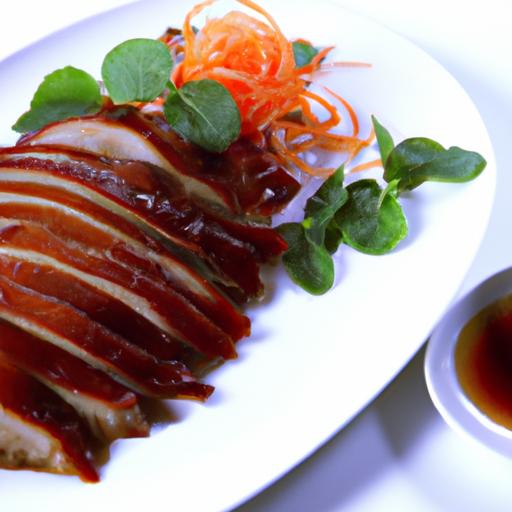
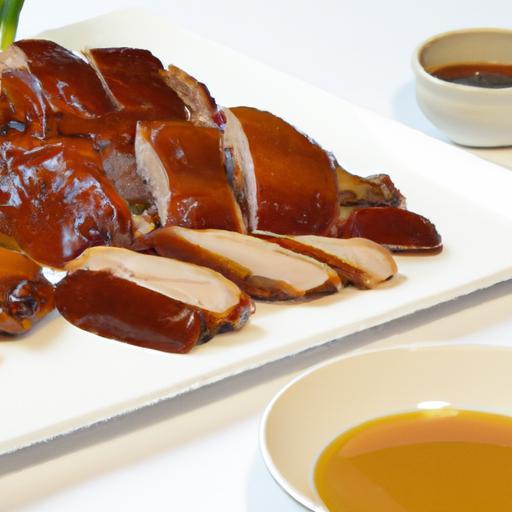
- Serve traditionally: Using a sharp knife, expertly slice the skin and meat into thin pieces. Arrange on a platter alongside Mandarin pancakes, cucumber, scallions, and hoisin sauce.
Tips for Success
- Air Drying is Key: The longer the duck dries (up to 24 hours), the crisper the skin becomes. If time allows, opt for overnight air drying in the fridge.
- Use Maltose for authenticity: Maltose creates a lacquered finish and deep mahogany sheen on the skin; honey is an acceptable substitute but less traditional.
- Skewer Carefully: Pricking the skin without breaking the meat ensures rendered fat beneath the crispy surface, enhancing texture and flavor.
- Skillful Carving: Master the slicing technique by cutting thin slices of skin and meat together-it’s said the crispy skin paired with tender meat are the soul of Beijing Duck.
- Make Ahead: Roast duck can be prepared a few hours in advance and gently reheated in a low oven. Serve immediately with warm Mandarin pancakes for the best experience.
Serving Suggestions
Present your Beijing duck with stacks of warm Mandarin pancakes and small plates of julienned cucumber and scallions. Let guests spread hoisin sauce on the pancakes, layer with crisp duck skin and tender meat, and roll it up like a delicate wrap. Garnish the platter with fresh cilantro sprigs and a drizzle of toasted sesame oil for added aroma. Pair with light Chinese tea or a subtly chilled Riesling to complement the rich flavors.

Nutrition Information
| per Serving | Calories | Protein | Carbs | Fat |
|---|---|---|---|---|
| Beijing Duck with Pancakes and sauce | 620 kcal | 42 g | 25 g | 38 g |
Explore other traditional Chinese recipes to complement your Beijing Duck feast. To delve deeper into authentic Beijing Duck’s ancient roots,visit China Highlights.
Q&A
Q&A: Beijing Ducks – History, Flavor, and Culinary Tradition Unveiled
Q1: What is the origin story of Beijing Duck?
A1: beijing Duck, often known as Peking Duck, traces its roots back to the imperial kitchens of the Ming Dynasty (14th-17th century). Originally a delicacy reserved for emperors and nobles,this dish was crafted to showcase culinary artistry and the grandeur of the royal court. Over centuries, it evolved from a symbol of elite refinement to a beloved national treasure enjoyed by people from all walks of life.
Q2: What makes Beijing Duck different from other roasted ducks?
A2: The key to Beijing Duck’s uniqueness lies in its preparation and presentation. The duck is air-dried after being coated with a sweet maltose syrup, which helps achieve its signature crispy, golden skin. Roasted in a special oven,the skin becomes irresistibly crisp while the meat stays juicy and tender. Served with thin pancakes, hoisin sauce, and scallions, each bite is a harmonious blend of texture and flavor unlike any other duck dish.
Q3: How is the culinary tradition of Beijing Duck preserved today?
A3: Master chefs meticulously guard the techniques passed down through generations, maintaining strict standards for duck selection, preparation, and roasting times. Many renowned restaurants in Beijing and beyond have earned prestigious reputations by honoring these traditions. Additionally, cultural festivals and cooking classes celebrate the dish, inviting new generations to appreciate its rich heritage and refine the skill of carving and serving.
Q4: What flavor profiles define the Beijing Duck experience?
A4: The essence of Beijing Duck lies in contrast and balance. the crispy skin delivers a sweet, caramelized crunch while the tender meat beneath offers savory, succulent richness. Accompanied by the mildly spicy hoisin sauce and fresh scallions wrapped in a delicate, warm pancake, the dish dances between sweet, salty, aromatic, and slightly smoky notes, creating a multi-dimensional feast for the palate.
Q5: Can Beijing Duck be enjoyed outside of Beijing?
A5: Absolutely! While Beijing remains the spiritual home of this dish, many cities worldwide proudly feature authentic Beijing Duck in their Chinese culinary scenes. Tho, the experience is frequently enough considered most genuine in Beijing due to the use of locally raised ducks, traditional ovens, and age-old roasting techniques. For culinary adventurers, savoring beijing Duck in its birthplace is an unforgettable cultural and gastronomic journey.Q6: Why has Beijing Duck endured as a culinary icon for centuries?
A6: Beyond its exquisite flavor, Beijing Duck embodies cultural pride, craftsmanship, and communal dining traditions. It tells a story of history and innovation, blending imperial prestige with everyday joy. Its ritualistic carving and serving turn a meal into a shared experience, celebrating hospitality and the art of food. This enduring legacy ensures that Beijing Duck remains not just a dish, but a living heritage of chinese cuisine.
Future Outlook
As the crispy skin melts on the tongue and the tender meat reveals layers of tradition, the story of Beijing Duck comes alive-an emblem of culinary artistry woven through centuries of Chinese culture. From imperial banquets to modern dining tables, this dish is more than a meal; it’s a flavorful bridge connecting history, community, and craftsmanship. Weather savored in a bustling Beijing eatery or recreated in kitchens worldwide, the legacy of Beijing Duck continues to unfold, inviting each of us to taste a piece of China’s rich heritage with every appetizing bite.