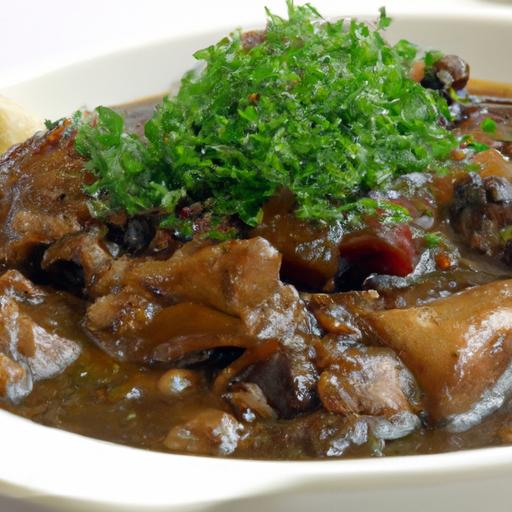

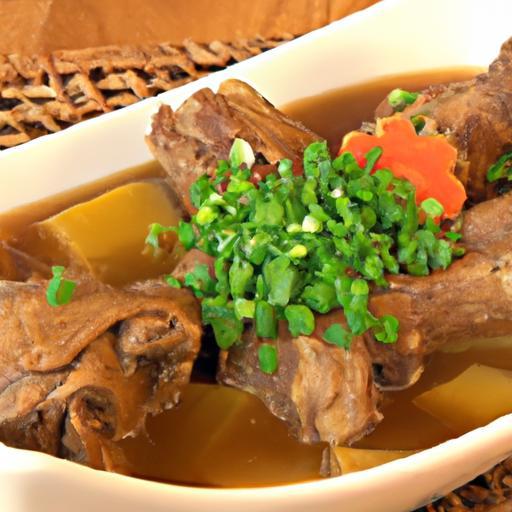
In the vibrant tapestry of Filipino cuisine, few dishes resonate with the warmth and history of adobo. Frequently enough hailed as the unofficial national dish of the Philippines,adobo is much more than a recipe-it is indeed a culinary story steeped in centuries of tradition,adaptation,and love. “Adobo Unveiled: The Heartwarming Filipino Chicken & Beef Stew” invites you to explore the rich layers of flavor and culture that define this iconic stew. From tender chicken thighs to succulent beef chunks, slow-cooked in a symphony of vinegar, soy sauce, garlic, and indigenous spices, adobo offers a comforting taste of home with every savory bite. Join us as we unravel the secrets behind this beloved dish, celebrating its enduring presence on Filipino tables and its universal appeal to food lovers around the world.
Adobo Unveiled: The Heartwarming Filipino Chicken & Beef Stew is a culinary journey to the Philippines, where this iconic dish represents much more than just a meal. Rooted deeply in history, adobo is the quintessential comfort food that reflects Filipino ingenuity, resourcefulness, and the harmonious blend of indigenous and colonial influences. Traditionally stewed in vinegar, soy sauce, garlic, and peppercorns, every simmering pot tells stories passed through generations-each Filipino household adding its own twist, making adobo a truly personal and cherished recipe.
Prep and Cook Time
- Preparation: 15 minutes
- Cooking: 1 hour 15 minutes
- Total Time: 1 hour 30 minutes
Yield
Serves 6 generous portions
Difficulty Level
Medium - Perfect for both adventurous beginners and seasoned home cooks eager to master authentic Filipino flavors
Essential Ingredients and Techniques for Authentic Adobo
- 2 lbs bone-in chicken thighs, skin-on for extra flavor
- 2 lbs beef brisket, cut into large cubes
- 1 cup soy sauce, Filipino brand preferred for depth
- 1 cup cane vinegar, adds signature tanginess
- 8 cloves garlic, smashed generously
- 2 bay leaves
- 1 tbsp whole black peppercorns
- 1 large onion, sliced (optional but recommended)
- 2 tbsp brown sugar, to balance acidity
- 1 cup water or beef broth
- 2 tbsp cooking oil
- Steamed jasmine or plain white rice, for serving
mastering the Perfect Balance of Flavors in Chicken and Beef Adobo
- Marinate the meat: Combine the chicken, beef, soy sauce, vinegar, garlic, bay leaves, and half the peppercorns in a large bowl. Cover and let marinate for at least 30 minutes, preferably 2 hours or overnight for deeper flavor infusion.
- Sear the meats: Heat the oil in a heavy-bottomed pot over medium heat. Remove the chicken and beef from the marinade (reserve the liquid) and brown them until golden on all sides, about 6-8 minutes. This caramelization builds intense flavor.
- Sauté aromatics: In the same pot, add the sliced onions and sauté until translucent, 3-4 minutes. This soft sweetness complements the tangy sauce.
- Simmer: Return the browned chicken and beef to the pot. Pour in the reserved marinade along with 1 cup of water or broth. Add the remaining peppercorns and brown sugar. Bring to a gentle boil, then lower to a simmer.
- cook low and slow: Cover and simmer for about 1 hour, or until the beef is tender and the chicken is cooked through. Stir occasionally and adjust liquid as needed.
- Reduce sauce: Remove the lid and cook for an additional 10-15 minutes to thicken the sauce slightly. Taste and adjust seasoning – add a splash of vinegar or a pinch of sugar to achieve that perfect harmony of salty, sour, and sweet.
Tips for Serving and Pairing Adobo to Elevate Your Dining Experience
Plate the steaming stew atop a bed of fluffy steamed rice, allowing the rich sauce to soak in wonderfully. Garnish with freshly chopped green onions or fried garlic bits for an added textural contrast. Pair adobo with a crisp acho and atchara or a side of sautéed greens like kangkong (water spinach) to brighten the palate. For drinks, a chilled light white wine or a cold San Miguel beer complements the tangy richness perfectly.
Chef’s Notes
- Variations: Feel free to swap beef brisket for pork belly or pork shoulder for a fattier, melt-in-your-mouth option.
- Vinegar choice matters: Filipino cane vinegar keeps the authentic profile, but apple cider vinegar is a reasonable substitute if unavailable.
- Make-ahead advantage: Adobo tastes even better the next day as the flavors continue to meld.
- Adjust heat: Add sliced chili or a pinch of chili flakes at step 4 for a spicy kick.
- Clarifying the sauce: for a clearer sauce,strain the softened garlic cloves before reducing.
| Nutrition (per serving) | Calories | Protein | Carbs | fat |
|---|---|---|---|---|
| Chicken Adobo | 420 kcal | 38g | 6g | 24g |
| Beef Adobo | 460 kcal | 40g | 7g | 26g |

Unlock the soulful essence of the Philippines in your kitchen by mastering this stew’s magical interplay of vinegar, soy, and garlic-a true culinary treasure that invites comfort, family, and festivity with every bite.
Q&A
Q&A: Adobo Unveiled – The Heartwarming Filipino Chicken & Beef Stew
Q1: What is adobo, and why is it considered the heart of Filipino cuisine?
A: Adobo is a beloved Filipino stew that marries chicken or beef with tangy vinegar, savory soy sauce, garlic, and aromatic spices. It’s frequently enough called the heart of Filipino cuisine as it encapsulates the country’s history and spirit-simple ingredients transformed through tradition into a comforting dish that unites families and friends across generations.
Q2: How did adobo come to be a staple in Filipino homes?
A: Adobo’s roots trace back to pre-colonial times, when indigenous Filipinos preserved meat using vinegar and salt.When Spanish colonizers arrived, the dish evolved, incorporating soy sauce and other influences.This evolution reflects the Filipino people’s resilience and creativity in adapting flavors that satisfy both need and nostalgia.
Q3: What makes the chicken and beef versions of adobo distinct yet equally special?
A: Chicken adobo is tender and subtly sweet, soaking up the marinade’s tang with every bite, making it perfect for everyday meals. Beef adobo, on the other hand, offers a richer, heartier taste with longer cooking times that melt the meat into a luscious stew. Both invite warmth and comfort, but each tells its own delicious story on the palate.
Q4: Can you describe the essential ingredients that define an authentic adobo?
A: At its core, adobo balances four main pillars: vinegar’s sharp tang, soy sauce’s salty depth, garlic’s pungent warmth, and bay leaves’ subtle earthiness. Black peppercorns add a gentle bite, while the slow simmering melds these elements into a harmonious symphony that sings ”home” with every savory note.
Q5: How is cooking adobo an experience beyond just making a meal?
A: Preparing adobo is an act of storytelling and love.It’s about layering flavors patiently, allowing time to deepen the essence of each ingredient. Sharing adobo turns into sharing memories-the laughter around the dinner table,the stories passed down,and the comfort of a dish that nourishes both body and soul.
Q6: Are there regional or familial twists that make adobo uniquely personal?
A: Absolutely! Some families add coconut milk for creaminess, others toss in potatoes or hard-boiled eggs for heartiness. Regions may prefer pork over beef, or double down on vinegar for extra tang. These variations celebrate the diversity of Filipino culture, each variant adding its brushstroke to the vibrant adobo canvas.
Q7: Why should someone outside the Philippines try making or tasting adobo?
A: Trying adobo is like tasting a piece of Filipino history and hospitality. Its bold yet balanced flavors invite curiosity and comfort concurrently. Making adobo at home is accessible and rewarding-a delicious way to connect with a culture that values warmth, adaptability, and the simple joy of a shared meal.
Adobo isn’t just food-it’s an edible embrace, a warm story simmered slowly in a pot, waiting to welcome you home.
The Way forward
As the rich aroma of Adobo lingers long after the last bite, it’s clear that this humble stew is much more than just a dish-it’s a vibrant thread woven into the tapestry of Filipino culture and history. Whether simmered slowly with tender chicken or hearty beef, Adobo captures the essence of communal warmth, resilience, and flavor mastery. By unveiling its layers-from tangy vinegar to fragrant garlic-we not only taste a beloved recipe but also savor a story of heritage passed down through generations. In every savory spoonful, Adobo invites us to connect, celebrate, and embrace the comforting heart of filipino cuisine.