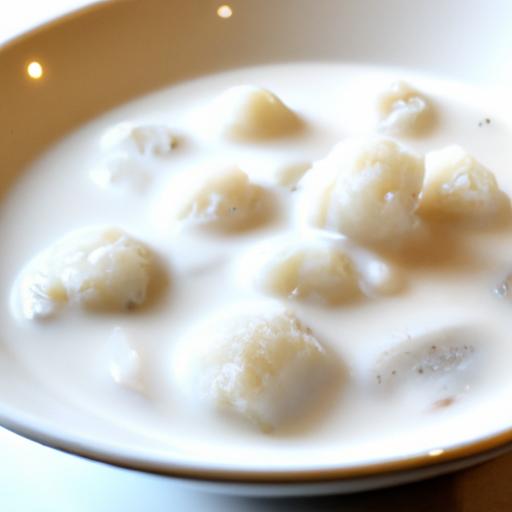

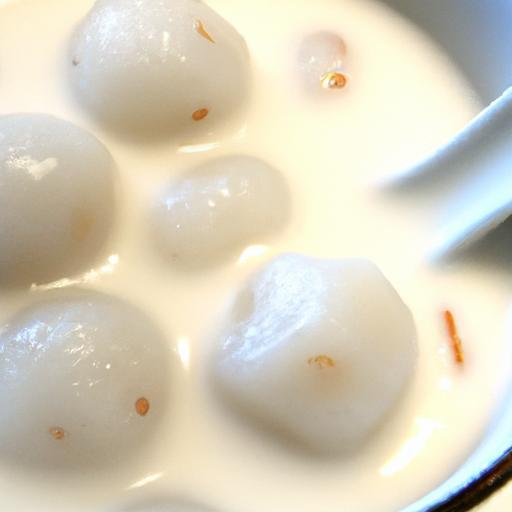
in teh vibrant tapestry of Southeast Asian desserts, few treats capture the heart quite like Bua Loy – tender, chewy taro balls swimming in a luxuriously creamy pool of coconut milk. This humble yet exquisite dish invites us on a sensory journey, where earthy taro flavors meld seamlessly with the rich sweetness of coconut, creating a blissful harmony of texture and taste.As we explore the origins, readiness, and cultural significance of Bua Loy, prepare to uncover why this comforting dessert continues to enchant palates and warm souls across generations. Whether you’re a seasoned foodie or a curious newcomer, join us in savoring the delicate magic of taro balls in creamy coconut milk – a true Bua Loy bliss.
Bua Loy Bliss: Exploring Taro Balls in Creamy Coconut Milk
Bua Loy Bliss invites you on a sensory journey into one of Thailand’s most cherished desserts-a harmonious blend of soft, chewy taro balls nestled in a luxuriously creamy coconut milk base. This beloved Thai classic is not only a comforting treat but also a beautiful festivity of texture and flavor that embodies the warmth of Thai hospitality.
Origins and Cultural Significance of Bua Loy in Thai Cuisine
Bua Loy, which translates to “floating lotus,” is a traditional dessert that has been enjoyed in Thailand for centuries. It was originally influenced by Chinese tangyuan, small glutinous rice flour balls served in sweet broth. However, Thai cuisine adapted the dish by incorporating local ingredients like taro, sweet potato, and pandan leaves, highlighting the country’s rich agricultural bounty.
In Thai culture, Bua Loy is often prepared during family gatherings and festive occasions, symbolizing unity and harmony.The act of crafting the delicate taro balls together fosters connection, while the creamy coconut milk base represents purity and prosperity. Experiencing this dessert is like tasting a cherished fragment of Thai heritage, deeply rooted in tradition yet endlessly versatile.
Prep and Cook Time
- Preparation: 25 minutes
- Cooking: 20 minutes
- Total: 45 minutes
Yield
Serves 4 generously,perfect for sharing or indulging on yoru own.
Difficulty Level
Medium – Requires some patience in shaping the taro balls and balancing textures.
Crafting the Perfect Taro Balls: Ingredients and Techniques Explained
- 200g taro root (peeled and cubed)
- 100g glutinous rice flour
- 2 tbsp sugar
- 2 tbsp tapioca starch (optional, for extra chewiness)
- Water (as needed to form dough)
- 1/4 tsp salt
Begin by steaming the taro cubes until tender-this step ensures the natural sweetness and earthy flavor develop fully.Once cool,mash the taro until smooth but not watery. Mixing the taro with glutinous rice flour and tapioca starch is crucial: the rice flour provides elasticity while the tapioca starch adds bounce. Add sugar and salt to balance sweetness and enhance overall flavor.
Slowly add water, just enough to bring the mixture into a pliable dough. Avoid adding too much to prevent sticky, fragile balls. Roll small pieces into 1-1.5cm balls, ensuring uniform size for even cooking. A trick for cleaner hands is dipping fingertips in water during shaping.
The Creamy Coconut Milk Base: Balancing Flavors and Textures
- 400ml coconut milk (full-fat for richness)
- 250ml water
- 100g palm sugar (or brown sugar as substitute)
- 2 pandan leaves, knotted
- Pinch of salt
The coconut milk base is where Bua Loy Bliss truly shines. The full-fat coconut milk lends a velvety mouthfeel, while palm sugar introduces deep caramel notes and gentle sweetness that complement the taro balls’ earthiness. Simmering with pandan leaves infuses a subtle floral aroma characteristic of Thai desserts.
Combine the coconut milk, water, and pandan leaves in a saucepan, then gently simmer over medium heat. Stir in palm sugar and salt, adjusting sweetness to taste. Remove pandan before serving to preserve a silky texture without bitterness.
Instructions
- Steam the taro: Place cubed taro in a steamer basket over boiling water. Cover and steam for 15 minutes until soft; confirm doneness by piercing with a fork.
- Mash the taro: Let cooled taro cool slightly,then mash in a large bowl until smooth but still with a bit of texture.
- Make taro dough: add glutinous rice flour, tapioca starch, sugar, and salt. Mix thoroughly.
- Add water gradually: Pour cold water slowly into the mixture, kneading gently until the dough feels soft and pliable, not overly sticky.
- Shape taro balls: Pinch small dough pieces and roll between palms into 1-1.5cm balls. Place on a lightly floured tray to prevent sticking.
- Cook taro balls: Bring a large pot of water to a rolling boil. Add taro balls and cook until they float to the surface, then simmer for 2 more minutes to finish cooking.
- Prepare coconut milk base: In a separate pot, combine coconut milk, water, and knotted pandan leaves. Warm gently over medium-low heat.
- Add sugar and salt: Stir in palm sugar and a pinch of salt until fully dissolved.
- Combine and serve: Remove pandan leaves, drain taro balls with a slotted spoon, and transfer into the coconut milk base. Serve warm or at room temperature.
Chef’s Notes and Tips for Success
- Consistency is key: If dough crumbles,add a teaspoon of water at a time. If dough is sticky, lightly dust hands with rice flour.
- Variations: Experiment with sweet potato or pumpkin for colorful taro ball alternatives.
- Make-ahead: Taro balls can be refrigerated for 1 day; reheat by boiling briefly before serving.
- Sweetener swaps: Use coconut sugar or maple syrup if palm sugar is unavailable.
- Presentation: Serve in beautiful bowls topped with toasted sesame seeds or a drizzle of pandan syrup for an elevated touch.
Serving Suggestions and Creative Twists for Taro Ball Desserts
Enjoy this dish as a comforting dessert after a spicy Thai meal or as a light afternoon snack. Try serving the taro balls chilled with crushed ice for a refreshing summertime treat.
For an elegant presentation, garnish with edible flowers, crushed peanuts, or a sprinkle of coconut flakes for added texture and visual flair. Incorporate other tropical fruits such as mango cubes or lychee for amplified flavor complexity.
Looking to innovate? stir in small tapioca pearls or add a splash of rose water to the coconut milk base for subtle floral notes that delight the palate. Pairing with other coconut-based Thai desserts like Khanom Krok offers a full spectrum of creamy, chewy, and crispy experiences.
| Nutrient | Per Serving | % daily Value |
|---|---|---|
| Calories | 280 kcal | 14% |
| protein | 3 g | 6% |
| Carbohydrates | 45 g | 15% |
| Fat | 8 g | 12% |
Discover more about Thai culinary traditions and appetizing coconut treats at Serious eats for an authoritative guide.

Q&A
Q&A: Bua Loy Bliss – exploring Taro Balls in Creamy Coconut Milk
Q: What exactly is Bua Loy?
A: Bua Loy is a beloved traditional Thai dessert that translates to “floating lotus.” It features small, chewy rice flour dumplings that drift gracefully in a warm, sweet coconut milk broth. The name evokes a serene image of lotus blossoms nestled on a tranquil pond-just like these delightful morsels bobbing in their creamy bath.
Q: How do taro balls change the classic Bua Loy experience?
A: Introducing taro balls into Bua Loy adds a gentle earthiness and a subtly nutty flavor, creating a charming twist on the classic. These velvety purple orbs lend a captivating hue and a tender chewiness that perfectly balances the silky coconut milk, offering both visual appeal and texture harmony.
Q: What is the significance of coconut milk in this dessert?
A: coconut milk is the soul of bua Loy-it imparts rich creaminess,natural sweetness,and a fragrant aroma that envelopes the delicate dumplings. The luscious coconut broth acts as a cozy blanket, enhancing the dessert’s comforting and indulgent qualities while tying all the flavors together.
Q: How are taro balls made for Bua Loy?
A: Taro balls are traditionally crafted by mashing cooked taro root,then mixing it with glutinous rice flour to form a pliable dough.The dough is rolled into small spheres and boiled until they float,signaling their perfect chewy texture. This process requires patience and a bit of artistry to achieve those perfectly round, tender bites.Q: Can Bua Loy be customized with other ingredients?
A: Absolutely! While taro balls are a popular favorite, bua Loy often features colorful variations like pumpkin, sweet potato, or pandan-infused dumplings. Some versions include a soft poached egg, adding rich creaminess and complexity. The dessert’s beauty lies in its versatility-inviting creativity with colors and flavors while maintaining that quintessential coconut milk base.
Q: Why has bua Loy remained a cherished dessert through the ages?
A: Bua Loy’s enduring appeal comes from its harmonious balance of textures and flavors-chewy balls, velvety coconut broth, and subtle sweetness. It evokes nostalgia and comfort, frequently enough enjoyed in family gatherings or festive celebrations. this dessert is a beautiful reminder of Thai culinary heritage, embodying both simplicity and elegance in every spoonful.
Q: Where can one best enjoy authentic Bua Loy with taro balls?
A: To taste the true magic of Bua Loy, exploring local Thai markets or traditional dessert stalls is ideal-where recipes have been lovingly passed down for generations. However, with the global rise of Thai cuisine, many modern cafes and restaurants also craft this dessert with authentic ingredients, bringing a little slice of bliss to your table wherever you are.
Q: Any tips for making bua Loy at home?
A: Start with high-quality glutinous rice flour and fresh taro for the best texture and flavor.Don’t rush the boiling-wait until the balls float and then cook them a bit longer for chewiness.Use full-fat coconut milk for that rich,creamy broth,and sweeten gently with palm sugar or cane sugar to preserve the natural flavors. Most importantly, enjoy the process-it’s as much about the experience as the delicious result!
Concluding Remarks
As the final spoonful of creamy coconut milk melts away, leaving behind the subtle sweetness of taro balls, one can’t help but appreciate the delicate harmony within Bua Loy Bliss. This humble Thai dessert, with its chewy taro morsels and velvety coconut embrace, is more than just a treat-it’s a comforting ritual, a taste of culture steeped in tradition and joy. Whether enjoyed on a breezy afternoon or as a soothing end to a vibrant meal, exploring the world of taro balls in creamy coconut milk invites us all to savor life’s simple pleasures, one blissful bite at a time.