
In the vibrant tapestry of Asian cuisine, few dishes embody the spirit of balance and mindfulness quite like Buddha’s Delight. Known for its colorful medley of vegetables, tofu, and delicate seasonings, this classic dish is more than just a flavorful meal-it is indeed a culinary reflection of harmony, simplicity, and spiritual tradition. originating from Buddhist vegetarian practices, Buddha’s Delight invites us to explore the subtle art of combining nature’s bounty into a dish that nourishes both body and soul. Join us as we delve into the origins, ingredients, and cultural significance of this timeless recipe, uncovering the harmony simmering within every fragrant bite.
Buddha’s Delight, a beloved vegetarian medley, traces its roots to Buddhist culinary traditions, symbolizing purity, harmony, and nourishment for both body and spirit. This dish, often enjoyed during Lunar New Year celebrations, embodies more than flavors-it represents balance, auspiciousness, and respect for natural bounty. Preparing Buddha’s Delight is a journey into vibrant textures, earthy aromas, and deeply satisfying umami notes, making it a timeless classic for any home cook seeking a wholesome feast.
Prep and Cook Time
- Preparation: 20 minutes
- Cooking: 25 minutes
- Total Time: 45 minutes
Yield
Serves 4 to 6, perfect for sharing as a main or a hearty side dish.
Difficulty Level
Medium – A comforting challenge for those ready to build flavor layers and master balanced vegetables.
key Ingredients That Define the Classic Flavor profile
The soul of Buddha’s Delight lies in a harmonious blend of fresh and dried vegetables, delicate seasonings, and hearty mushrooms. Classic ingredients include dried shiitake mushrooms, which impart deep umami; bamboo shoots for crispness; and wood ear fungus adding captivating texture. The subtle sweetness of soy sauce and the gentle warmth of ginger marry these elements beautifully. Aromatics like garlic and scallions enhance depth without overpowering the dish’s gentle profile.
Ingredients
- 10 dried shiitake mushrooms, soaked until soft and sliced
- 1 cup dried wood ear fungus, soaked and drained
- 1 cup bamboo shoots, sliced
- 2 cups napa cabbage, chopped
- 1 cup snow peas, trimmed
- 1 medium carrot, julienned
- 1 block (14 oz) firm tofu, pressed and cubed
- 3 cloves garlic, minced
- 2 scallions, sliced thinly
- 1 tbsp fresh ginger, minced
- 3 tbsp light soy sauce
- 1 tbsp dark soy sauce
- 1 tsp sesame oil
- 2 cups vegetable broth
- 2 tbsp vegetable oil
- 1 tsp cornstarch mixed with 2 tbsp water (optional, for thickening)
- Salt and white pepper, to taste
Step by Step Guide to Crafting an Authentic Buddha’s Delight
- Prepare dried mushrooms and fungus: Soak the dried shiitake mushrooms and wood ear fungus in warm water for 20-30 minutes until fully softened. Drain and slice mushrooms; tear wood ear into bite-sized pieces.
- Press and cube tofu: Remove excess moisture by pressing tofu between plates with a weight for 15 minutes. Cut into 1-inch cubes and set aside.
- Sauté aromatics: Heat vegetable oil in a large wok over medium-high heat. Add minced garlic,ginger,and scallions. Stir-fry until fragrant, about 1 minute, careful not to burn the garlic.
- Add mushrooms and bamboo shoots: Toss in the sliced shiitake mushrooms and bamboo shoots. Stir-fry for 3-4 minutes until the mushrooms start releasing their flavor.
- Cook tofu: gently add tofu cubes and stir carefully to avoid breaking. Let them brown lightly for 3 minutes, enhancing texture without frying.
- Incorporate vegetables: Add napa cabbage, snow peas, and carrot julienne. Stir-fry for 5 minutes, retaining slight crunch to maintain textural harmony.
- Season and simmer: Pour in vegetable broth,soy sauces,and sesame oil. Stir to combine and bring to a gentle simmer.Cover and cook for 7-8 minutes, letting flavors meld.
- Thicken sauce (optional): If a slightly thicker sauce is preferred, stir in the cornstarch slurry gradually while stirring continuously.Cook for 2 more minutes until glossy and slightly thickened.
- Finish and adjust seasoning: Taste carefully. Add salt or white pepper for seasoning balance to your liking.
- Serve with care: Transfer to a large serving bowl and garnish with fresh scallion slices or toasted sesame seeds for an elegant finish.
Tips for Customizing Buddha’s Delight to Suit Your Taste and Lifestyle
Buddha’s Delight is wonderfully adaptable. For added protein, consider tossing in roasted cashews or tempeh. Those seeking gluten-free options can replace soy sauce with tamari. To amp up spice, add fresh sliced chili or a drizzle of chili oil after cooking. Vegetables can be customized seasonally – baby corn, snap peas, or enoki mushrooms pair beautifully.
For a lighter version, use less oil or steam the vegetables prior to stir-frying. If you prefer a heartier meal, serve Buddha’s Delight over steamed jasmine rice or a bed of soba noodles. Leftovers also reheat well, making this dish perfect for meal prep without sacrificing flavor.
Serving Suggestions
Present buddha’s Delight in a wide, shallow bowl to showcase its vibrant colors and textures. Garnish with a handful of fresh cilantro leaves or sliced scallions for freshness. Accompany with steamed rice or a fragrant jasmine tea to balance the meal. This dish shines at celebratory tables and casual weekday dinners alike, inviting guests to savor a peaceful moment of culinary harmony.
| Nutrient | Per Serving |
|---|---|
| Calories | 210 kcal |
| Protein | 14 g |
| carbohydrates | 20 g |
| Fat | 8 g |
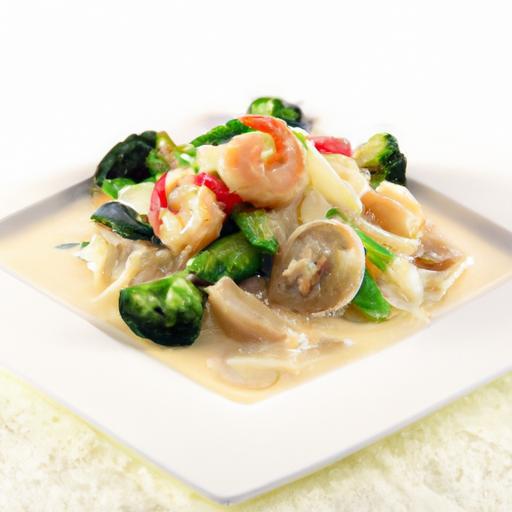
Image: Vibrant Buddha’s Delight sizzling in a wok, showcasing the rich colors and textures of fresh vegetables and tofu, perfectly embodying the harmony of this classic dish.

For an in-depth exploration of vegetable stir-fry techniques similar to Buddha’s Delight, visit our Vegetable Stir-Fry Basics Guide. To understand more about customary Chinese vegetarian dishes and their health benefits, national center for Complementary and Integrative Health offers authoritative insights.
Q&A
Q&A: Buddha’s Delight – Exploring the harmony of a Classic Dish
Q1: What exactly is Buddha’s Delight?
A1: Buddha’s Delight, or Luo Han Zhai (罗汉斋), is a traditional Chinese vegetarian dish celebrated for its harmonious blend of flavors, textures, and symbolism. Often enjoyed during Lunar New Year or Buddhist festivals,it combines an array of vegetables,tofu,and sometimes fungi or seaweed into a vibrant,nourishing medley.Q2: Why is it called “Buddha’s Delight”?
A2: The name evokes both the culinary and spiritual essence of the dish.It’s said to honor the Buddha’s teachings of compassion and non-violence by abstaining from meat.”Delight” reflects the joyful balance and subtlety of the ingredients,creating a dish that delights the palate-and the soul.
Q3: What ingredients make Buddha’s Delight so special?
A3: The magic comes from a thoughtful medley: crisp bamboo shoots, fragrant shiitake mushrooms, tender tofu, crunchy water chestnuts, sweet lotus seeds, and vibrant snow peas. Each component brings a unique texture and depth, resulting in a layered dish that’s both wholesome and deeply satisfying.
Q4: is there symbolism behind the ingredients?
A4: Absolutely! in Chinese culture, the ingredients often carry auspicious meanings-lotus seeds symbolize fertility and purity, carrots bring good luck, and cloud ear fungus represents wealth and longevity. The dish itself embodies harmony and balance, mirroring Buddhist ideals.
Q5: How is Buddha’s Delight traditionally prepared?
A5: Traditionally, the ingredients are carefully blanched or pre-cooked and then gently braised together in a savory broth infused with soy sauce, ginger, and sometimes a hint of sweetness. The slow cooking melds the flavors without overpowering the natural essence of each ingredient.Q6: Can Buddha’s Delight be adapted for modern diets?
A6: Certainly! While rooted in tradition, this dish is incredibly versatile. Vegan and gluten-free versions are easy to create by using tamari or coconut aminos in place of soy sauce, and swapping in seasonal vegetables. Its balance of nutrition and flavor makes it a perfect fit for contemporary lifestyles.
Q7: What can we learn from Buddha’s Delight beyond its recipe?
A7: Beyond being a appetizing meal,Buddha’s Delight teaches mindfulness,respect,and the beauty of harmony-both on the plate and in life. Each ingredient contributes without overshadowing, reminding us that true delight arises when diverse elements coexist thoughtfully.
Q8: Where can one experiance authentic Buddha’s Delight?
A8: This dish can be found at many authentic Chinese vegetarian restaurants, especially in buddhist temple kitchens where it’s served as a special offering. For those eager to explore its nuances, preparing it at home can be a meditative practice connecting culinary art with spiritual reflection.
Embracing Buddha’s Delight is not just about eating-it’s about savoring centuries of tradition, culture, and wisdom served in every bite.
In Retrospect
As we close the chapter on buddha’s Delight, it becomes clear that this humble dish is far more than a simple medley of vegetables and tofu. It is a vibrant tapestry woven from centuries of tradition, spirituality, and culinary artistry. Each ingredient tells a story of balance and intention, mirroring the harmony that lies at the heart of Buddhist philosophy. Whether enjoyed during festive celebrations or as a comforting everyday meal, Buddha’s Delight invites us to savor not just flavors, but a deeper connection to mindfulness and well-being. In honoring this classic dish,we celebrate a timeless harmony that nourishes both body and soul.