
There’s something almost magical about a steaming bowl of chicken soup-a timeless remedy that transcends cultures and generations, offering warmth and comfort when we feel our most vulnerable.But beyond its comforting aroma and savory taste lies a fascinating blend of science and nature working in harmony. From the rich nutrients simmered into its broth to the subtle healing compounds in its ingredients,chicken soup isn’t just a nostalgic comfort food; it’s a soothing elixir with genuine therapeutic powers. In this article, we’ll dive into the soothing science behind healing chicken soup, exploring how this humble dish supports recovery, eases inflammation, and nourishes the body from the inside out.
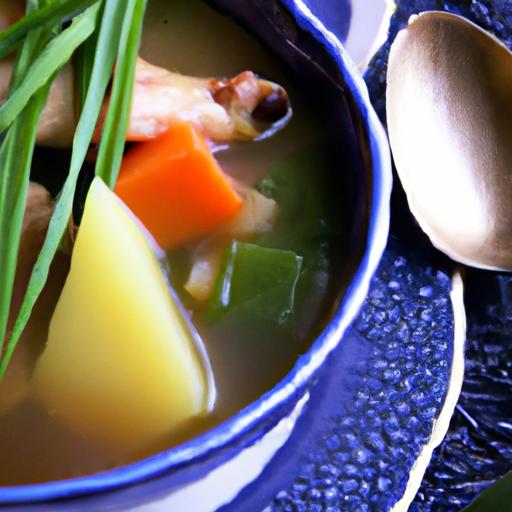
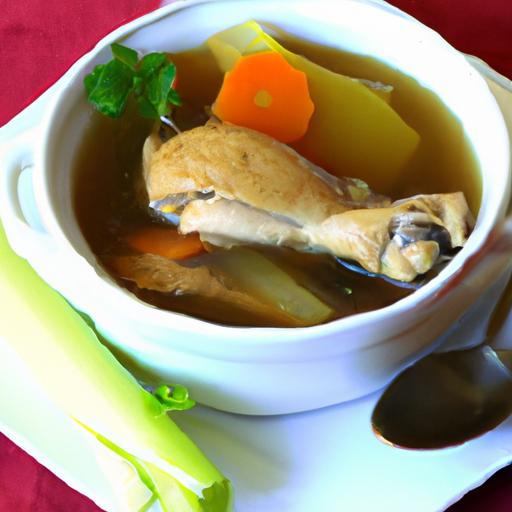
The soothing science behind healing chicken soup reveals why this humble bowl has stood the test of time as a natural remedy. Rooted in centuries-old traditions and modern research alike, chicken soup is far more than comfort food. Packed with immune-boosting nutrients and powerful anti-inflammatory compounds, this recipe taps into nature’s pharmacy to soothe ailments and revitalize your body. The gentle simmer of tender chicken, vibrant vegetables, and aromatic herbs creates a symphony of flavors and healing benefits, making every spoonful a nourishing experience.
Prep and Cook Time
Readiness: 20 minutes
Cooking: 1 hour 15 minutes
Total Time: 1 hour 35 minutes
Yield
Serves 6 hearty bowls
Difficulty Level
Easy – Perfect for a cozy weekend meal or a restorative weekday dinner
Ingredients
- 1 whole organic chicken (about 3-4 lbs), cleaned and quartered
- 2 medium carrots, peeled and sliced into rounds
- 2 stalks celery, chopped
- 1 large yellow onion, quartered
- 4 garlic cloves, smashed
- 1-inch piece of fresh ginger, peeled and sliced
- 2 sprigs fresh rosemary
- 3 sprigs fresh thyme
- 2 bay leaves
- 1 bunch fresh flat-leaf parsley, stems separated
- 1 teaspoon whole black peppercorns
- 8 cups filtered water or low-sodium chicken broth
- Salt to taste
- 1 cup baby spinach leaves (optional)
- 1 cup cooked egg noodles or rice (optional)
Instructions
- Combine the chicken and aromatics: In a large heavy-bottomed pot, place the quartered chicken, carrots, celery, onion, garlic, ginger, rosemary, thyme, bay leaves, parsley stems, and black peppercorns. Pour in the filtered water or chicken broth to cover everything.
- Bring to a gentle simmer: Heat over medium-high until just boiling, then promptly reduce to low heat to maintain a gentle simmer. Skim off any foam or impurities that rise to the surface within the first 10 minutes for a clear broth.
- Slow-cook for flavor and healing: Let the soup simmer uncovered for 1 to 1½ hours, stirring occasionally. this long, low simmer extracts collagen, minerals, and antioxidants, building a nutrient-dense base.
- Remove the chicken: Carefully lift out the chicken pieces and place them on a cutting board to cool slightly. Remove and discard the skin and bones, then shred the tender meat into bite-sized pieces.
- Strain the broth: Using a fine mesh sieve,strain the broth into a clean pot to remove vegetables and herbs. Reserve the strained vegetables to add back if desired.
- Season and enrich: Return the shredded chicken to the clear broth. Add salt to taste and stir in baby spinach leaves or cooked noodles/rice if using. Heat gently until warmed through.
- Final touch: Chop fresh parsley leaves and sprinkle on top before serving for a burst of color and freshness.
Tips for Success
- use organic, free-range chicken: this enhances both flavor and nutritional value, including higher omega-3 fatty acids.
- Don’t rush the simmer: Slow cooking extracts gelatin from bones, vital for soothing inflamed tissues.
- Optional Immunity Boost: add a teaspoon of turmeric or a small pinch of cayenne in step 3 for extra anti-inflammatory firepower.
- Make ahead: Soup flavor deepens after 24 hours chilled. Freeze leftovers in portions for ready-made healing meals.
- Skip noodles for lower carbs: replace with spiralized zucchini or extra greens for a lighter option.
Serving Suggestions
Serve this healing chicken soup in deep bowls, garnished with a fresh sprig of parsley or a thin lemon wedge for a citrusy bright note that complements the broth’s warmth. Pair with crusty whole-grain bread or gluten-free crackers for soaking every drop. For an elevated touch, drizzle a teaspoon of extra virgin olive oil or add a dollop of plain Greek yogurt to cool and enrich the experience.
| Nutrition Per Serving | Calories | Protein (g) | Carbs (g) | Fat (g) |
|---|---|---|---|---|
| healing Chicken Soup | 220 | 25 | 10 | 8 |
Discover more immune boosting herbs to complement your healing journey. For additional scientific insights on chicken soup’s medicinal properties, visit this NIH study.

Q&A
Q&A: The Soothing Science Behind Healing Chicken Soup
Q1: Why has chicken soup been considered a “healing” food for centuries?
A1: Chicken soup’s reputation as a healing elixir dates back thousands of years, woven into cultures around the globe. Its comforting warmth and nourishing ingredients create a sensory experience that not only soothes the soul but also supports the body’s recovery. Scientifically, the blend of nutrients and compounds in chicken soup can help reduce inflammation, ease congestion, and provide essential hydration, making it a timeless remedy.
Q2: What components in chicken soup contribute to its healing properties?
A2: Chicken soup is a nutritional powerhouse. The broth contains amino acids like cysteine, which has a mucolytic effect-meaning it helps thin mucus in the lungs, easing congestion. The warm liquid promotes hydration and circulation, aiding immune function. Vegetables such as carrots, celery, and onions add vitamins, minerals, and antioxidants that combat oxidative stress and support immune cells.
Q3: How does the temperature of chicken soup enhance its therapeutic effect?
A3: The warmth of chicken soup plays a crucial role in its soothing nature. Steam from the hot soup helps open nasal passages, improving airflow and relieving sinus pressure. Warm liquids also help soothe sore throats and facilitate digestion. This gentle heat encourages relaxation and comfort,creating a psychological boost that complements the physical benefits.
Q4: Does chicken soup have anti-inflammatory qualities?
A4: Yes. Research has shown that chicken soup can inhibit the movement of neutrophils-a type of white blood cell involved in inflammation. by moderating this response, the soup helps reduce the body’s inflammatory processes, alleviating symptoms like nasal congestion and throat irritation.This subtle anti-inflammatory action supports quicker recovery from common colds and infections.
Q5: Can chicken soup boost the immune system?
A5: While chicken soup isn’t a magical cure, it certainly supports the immune system. The combination of hydration, electrolytes, vitamins (notably vitamin A and C from vegetables), and protein from chicken creates an ideal environment for immune cells to thrive and function effectively. Moreover, its comforting nature reduces stress, which can otherwise impair immune response.
Q6: Are all chicken soups created equal in terms of healing?
A6: Not quite. Homemade chicken soup, simmered slowly with fresh ingredients, usually offers the most health benefits. Commercial or instant varieties may contain high levels of sodium, preservatives, and lack the rich nutrient profile of fresh broth and vegetables. The quality and preparation method influence how much healing goodness the soup can deliver.
Q7: Beyond physical healing, how does chicken soup affect emotional well-being during illness?
A7: Chicken soup’s power extends beyond the physical. Its aroma,warmth,and familiarity can evoke feelings of comfort and safety-frequently enough linked to childhood memories or caregiving moments. This emotional nourishment can reduce feelings of loneliness, anxiety, and discomfort, which are common during sickness, thereby promoting overall wellness.
Q8: Can chicken soup be beneficial for other ailments besides colds and flu?
A8: Absolutely.Its hydrating and nutrient-rich nature makes chicken soup helpful for a variety of conditions such as digestive disturbances, mild dehydration, and postoperative recovery.The easy-to-digest broth provides sustenance when appetite is low, helping maintain strength and energy during convalescence.
Q9: How can one maximize the healing potential of chicken soup at home?
A9: To unlock the full healing magic, use quality ingredients: free-range chicken, fresh organic vegetables, and natural herbs like thyme, parsley, and garlic for added antioxidants and immune support. Simmer gently to extract nutrients without breaking down delicate compounds. Avoid excessive salt, and consider adding a squeeze of lemon for vitamin C and zest.
Q10: Is the healing power of chicken soup just a placebo effect?
A10: While the comforting psychological impact of chicken soup is undeniable, science confirms that its components actively contribute to symptom relief and immune support. So, it’s both-a beautiful blend of tangible nutritional benefits and the warming embrace of a familiar comfort food that soothes body and soul alike.
In Retrospect
As we’ve uncovered, chicken soup is far more than a comforting remedy passed down through generations-it’s a harmonious blend of science and tradition, simmering with nutrients and compounds that quietly rally our bodies toward healing. Whether it’s the delicate warmth of the broth easing congestion or the savory medley delivering vitamins and minerals,this humble dish serves as a natural ally in our quest for wellness. So next time you find yourself under the weather, remember that behind each steaming spoonful lies a symphony of soothing science, ready to nurture you back to health one comforting sip at a time.