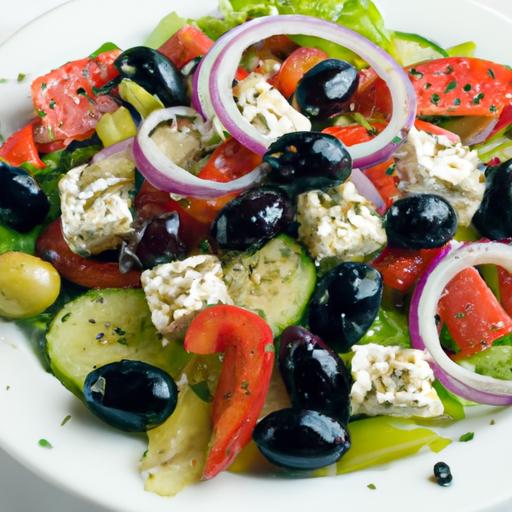

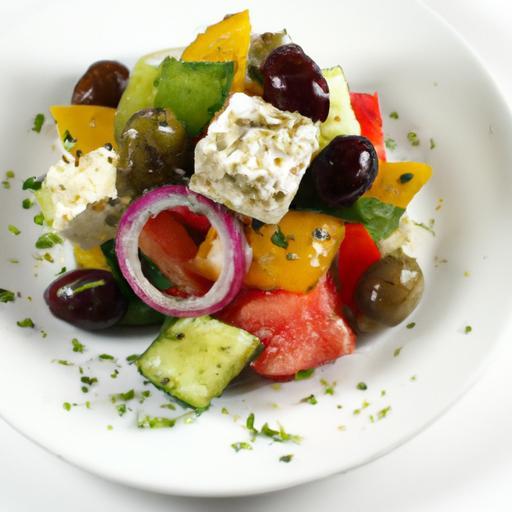
Imagine a dish that perfectly captures the sun-soaked landscapes of the Mediterranean,where every bite bursts with vibrant color and crisp,refreshing flavors. Welcome to the world of the classic Greek salad-a timeless culinary treasure that combines simplicity and sophistication in one bowl. More then just a salad, it’s a festivity of fresh, wholesome ingredients like ripe tomatoes, crunchy cucumbers, briny olives, and tangy feta cheese, all harmonized by a drizzle of fragrant olive oil and a sprinkle of herbs. In this article, we’ll take you on a flavorful journey to discover the fresh and invigorating essence of the classic Greek salad delight, unlocking tips and secrets to elevate this humble dish into an unforgettable taste experience.
Discover the Fresh Flavors of Classic Greek Salad Delight begins with a perfect harmony of bold, crisp vegetables and luscious, creamy feta. This emblematic dish from the sun-drenched Mediterranean effortlessly combines simplicity and vibrancy, capturing the essence of Greek cuisine in every bite. Growing up near the Aegean Sea,I vividly remember the anticipation of sharing a refreshing salad after a long day of fishing-each ingredient telling a story of seasons,terroir,and tradition.
Prep and Cook Time
- Preparation: 15 minutes
- Cook Time: 0 minutes
- Total Time: 15 minutes
Yield
- Serves 4 generous portions
Difficulty Level
- Easy
Ingredients
- 3 cups ripe chopped tomatoes, medium sized and firm
- 1 large cucumber, peeled, seeded, and sliced into half-moons
- 1 medium red onion, thinly sliced
- 1 green bell pepper, seeded and sliced into rings
- 1 cup pitted Kalamata olives
- 200g block of authentic greek feta cheese, cut into thick cubes
- 1 tablespoon dried oregano, preferably hand-crushed
- 5 tablespoons extra virgin olive oil (see Chef’s Notes)
- 1 tablespoon red wine vinegar
- Freshly ground black pepper, to taste
- Coarse sea salt, as needed
- Optional: handful of fresh flat-leaf parsley, chopped
Instructions
- Prepare the produce: Wash all fresh vegetables thoroughly. Start by chopping the tomatoes into chunky wedges to preserve their juiciness. Slice the cucumber into half-moons after peeling and removing seeds-this prevents excess wateriness.
- Layer ingredients harmoniously: In a large bowl, combine tomatoes, cucumber, sliced red onion, and green bell pepper rings. Add the kalamata olives, distributing them evenly for bursts of salty brine.
- Craft the dressing: in a small bowl, whisk together extra virgin olive oil, red wine vinegar, dried oregano, and a pinch of coarse sea salt. Embrace the richness and earthiness of high quality olive oil to truly elevate the salad.
- Toss gently: Drizzle the dressing over the vegetables and toss with care to avoid bruising the delicate tomatoes and feta cubes.
- Add feta last: Place the thick feta cubes atop the salad, sprinkling lightly with additional oregano and freshly ground black pepper. This ensures the cheese remains a creamy centerpiece rather than being broken down.
- Optional garnish: Sprinkle fresh parsley over the salad for a final burst of color and herbaceous freshness.
- Serve promptly: Transfer to your favorite serving bowl or platter and enjoy the ensemble at room temperature for the best flavor.
Chef’s Notes: Tips for Success
- Olive Oil Matters: The heart of your dressing lies in the olive oil. choose a cold-pressed, grassy, and peppery extra virgin olive oil for an authentic experience that sings on your taste buds.
- Seasonal Surprises: Depending on availability, incorporate heirloom tomatoes or freshly picked basil for unique seasonal twists.
- Salt with Caution: Since feta and olives add briny saltiness naturally, taste before adding any extra salt.
- Make-Ahead: For busy days, prepare the dressing in advance but toss just before serving to keep ingredients crisp and fresh.
- Variation Ideas: Try adding capers, roasted red peppers, or replacing green pepper with mild pickled pepperoncini for an exciting flavor curve.
Serving Suggestions
Arrange your Greek salad alongside warm, freshly baked pita bread or crunchy artisan baguette slices.for an authentic touch, accompany with grilled lamb skewers or a chilled glass of retsina wine. Garnish with a few lemon wedges to brighten the palette or add a sprinkling of toasted pine nuts for texture contrast. This salad thrives on vibrant, deconstructed charm-serve on a rustic ceramic dish to enhance the Mediterranean aesthetic.

Unlocking the Fresh Flavors: Nutritional Snapshot
| Nutrient | Per Serving |
|---|---|
| calories | 180 |
| Protein | 6g |
| Carbohydrates | 8g |
| Fat | 15g |
For more mediterranean inspirations, explore our Mediterranean recipes collection and transform your kitchen into an oasis of fresh flavors.
Q&A
Q&A: Discover the Fresh Flavors of Classic Greek Salad Delight
Q1: What makes a Greek salad “classic”?
A1: The classic Greek salad,or Horiatiki,is a vibrant mix of fresh,crisp ingredients – ripe tomatoes,crunchy cucumbers,sharp red onions,briny Kalamata olives,tangy feta cheese,and fragrant oregano,all dressed simply with extra virgin olive oil and a splash of red wine vinegar.It’s the harmony of these fresh, quality components that creates the timeless flavor we love.
Q2: Why is Greek salad considered a healthy choice?
A2: Greek salad is a nutritional powerhouse! It’s packed with antioxidants from fresh vegetables, healthy fats from olive oil, and protein and calcium from feta cheese. It’s naturally gluten-free, low in calories, and full of Mediterranean goodness that supports heart health and vibrant energy.
Q3: Can I customize the classic Greek salad without losing its essence?
A3: Absolutely! While the core ingredients define its character, feel free to add bell peppers, capers, or a sprinkle of fresh herbs like mint or dill for a personal twist. Just remember: the key is balance – keep the fresh, luminous flavors in harmony.
Q4: What’s the secret to the perfect Greek salad dressing?
A4: Simple is best! A traditional dressing is just quality extra virgin olive oil, red wine vinegar, and a pinch of oregano. The secret lies in using top-notch olive oil – it should be fruity and robust enough to tie all the flavors together without overpowering them.Q5: When is the best time to enjoy Greek salad?
A5: Greek salad shines brightest in warm months, offering a refreshing, light accompaniment to grilled meats or as a standalone meal on hot days. But realy, its vibrant flavors and wholesome ingredients make it a delightful choice all year round.
Q6: How can I make a Greek salad truly authentic at home?
A6: Use fresh, in-season vegetables and authentic Greek Kalamata olives. Choose a creamy block of feta cheese rather than pre-crumbled versions, and opt for a good quality olive oil. Assemble everything gently, and toss just before serving to preserve textures and flavors.
Q7: Is Greek salad suitable for all dietary preferences?
A7: The traditional Greek salad is vegetarian and can easily be made vegan by omitting feta or replacing it with a plant-based choice. It’s also naturally gluten-free, making it versatile and accessible to many dietary lifestyles.
With its crisp textures and bright mediterranean flavors, the classic Greek salad is a tasty way to celebrate freshness and simplicity. Ready to bring a burst of sunshine to your table? Dive into this delightful dish and savor each bite!
In Conclusion
As you savor the vibrant medley of crisp cucumbers, ripe tomatoes, briny olives, and tangy feta, the classic Greek salad reveals itself as more than just a dish-it’s a celebration of tradition, freshness, and simplicity. whether enjoyed as a light lunch or a colorful side, this timeless salad invites you to experience the essence of the Mediterranean in every bite. So next time you crave something bright and wholesome, remember that the fresh flavors of a classic Greek salad are always ready to transport your taste buds on a delicious journey to sun-kissed shores.