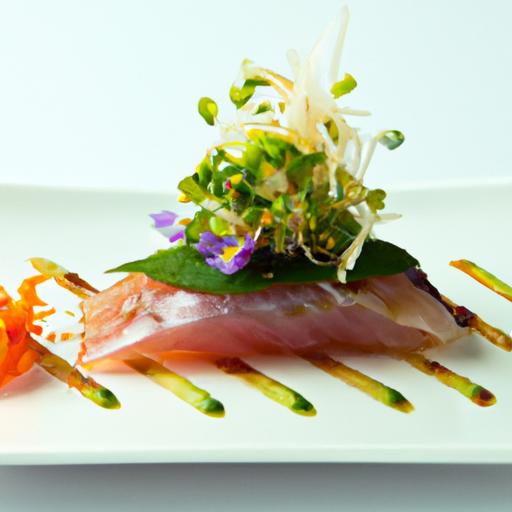

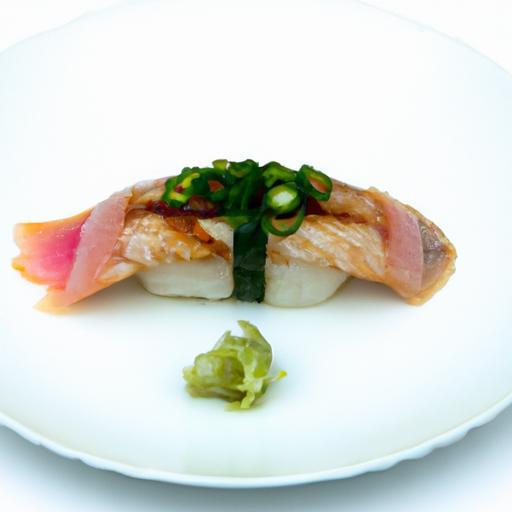
beneath the shimmering surface of ocean waves lies a culinary treasure prized by sushi lovers around the world: mackerel nigiri. This unassuming slice of silvery fish, perched delicately atop vinegared rice, carries with it centuries of tradition, flavor, and maritime heritage. More than just a sushi staple, mackerel nigiri embodies a savory story of preservation techniques, cultural nuances, and a celebration of the sea’s bounty. In this article, we dive deep into the origins, readiness, and unique taste profile of mackerel nigiri-unraveling why this ocean jewel continues to captivate palates and preserve the essence of sushi craftsmanship.
Origins and Cultural Significance of Mackerel Nigiri in Japanese Cuisine
Mackerel nigiri holds a cherished place in japanese culinary heritage, embodying centuries of tradition and the contry’s deep reverence for the seasons and the ocean’s bounty. Originating from Edo-era Tokyo, this sushi variety celebrates the robust flavor of saba (mackerel), a fish prized for its rich oil content and vibrant taste. Traditionally, mackerel nigiri was not only a delight for the palate but also a testament to the skill of sushi chefs who mastered the delicate balance between freshness and preservation-with techniques like curing and lightly pickling to enhance flavor while ensuring safety. Over time, mackerel nigiri has evolved from a simple street-food favorite into an iconic dish that graces sushi counters from humble neighborhood shops to Michelin-starred restaurants, symbolizing a savory slice of ocean tradition that connects modern diners to the rich cultural tapestry of Japan.
Mastering the Art of selecting and Preparing Fresh Mackerel for Nigiri
Mastery begins with selecting the perfect fish.When preparing mackerel nigiri at home, freshness is paramount-look for firm flesh with a glossy silver sheen and clear eyes if buying whole fish. If opting for fillets, choose those with a mild ocean aroma and no discoloration. Proper preparation involves a careful balance: mackerel is oily and prone to rapid spoilage, so it’s customary to cure the fillets briefly with salt and a splash of rice vinegar. This step not only extends shelf life but also elevates flavor by mellowing the fish’s natural pungency while preserving its tender texture. Before pressing it atop sushi rice, pat the fillets dry and gently slice against the grain to reveal the fish’s glistening marbled interior. This meticulous prep work is the foundation for achieving a truly authentic nigiri experience.
Flavor Profiles and Pairing Suggestions to Elevate Your Mackerel Nigiri Experience
Mackerel nigiri bursts with a complex flavor profile-rich umami, briny ocean notes, and a subtle, invigorating tang from the curing process. To highlight its savory depth, consider pairing it with crisp accompaniments like thinly sliced daikon radish or a touch of fresh yuzu zest that brightens every bite with citrusy freshness.Customary condiments like a dab of freshly grated ginger and a light brush of soy sauce complement the fish’s natural oils without overpowering them. For beverages, chilled sake with a clean, slightly acidic finish or a dry white wine (think Sauvignon Blanc or a crisp Riesling) can masterfully balance the oiliness while enhancing the dish’s layered flavors, creating a harmonious dining experience.
Step-by-Step guide to Crafting Perfectly Balanced Mackerel Nigiri at Home
Prep and Cook Time
- Prep Time: 30 minutes (plus 1 hour curing time)
- Cook Time: None (served raw but cured)
Yield
- 6 servings (12 pieces of mackerel nigiri)
Difficulty level
- Medium – requires basic knife skills and understanding of sushi rice preparation
Ingredients
- 500g fresh mackerel fillet, skin-on, pin-boned
- 2 tbsp kosher salt
- 3 tbsp rice vinegar
- 2 cups sushi rice, cooked and seasoned with sushi vinegar
- Freshly grated ginger, for garnish
- Soy sauce, for brushing and dipping
- Wasabi (optional)
- Thinly sliced shiso leaves or daikon radish (optional, for garnish)
- Yuzu zest (optional, for brightness)
Instructions
- Prepare the mackerel: Rinse the fillet under cold water and pat dry. Sprinkle evenly with kosher salt and let cure for 30 minutes in the fridge. This draws out excess moisture, firms the flesh, and begins flavor development.
- Rinse and vinegar bath: Gently rinse the salt off under cold water and pat dry again.Submerge the fish in rice vinegar for 30 minutes in the fridge. This step adds subtle acidity that balances the mackerel’s oiliness.
- Slice the mackerel: Remove from vinegar and pat dry thoroughly. Using a sharp knife, slice the mackerel diagonally into 2-3 mm thick pieces, about 3 inches long-thin enough to be delicate yet significant.
- Shape the sushi rice: Wet your hands to prevent sticking. Take a small ball of sushi rice (about 20g) and gently mold it into an oblong shape, compact but not too dense.
- Assemble the nigiri: Place a slice of mackerel over each rice bed. Optionally, dab a sliver of wasabi between the fish and rice.Lightly brush the top with soy sauce for gloss and extra flavor.
- Garnish and serve: Finish with a touch of freshly grated ginger, a small shiso leaf or thin daikon slices, and a few grains of yuzu zest if using. Serve immediately for optimal freshness and texture.
Tips for Success
- Freshness is key: Purchase mackerel from a trusted fishmonger and use it within a day to prevent any overpowering fishiness.
- rice matters: Perfectly seasoned sushi rice is the foundation-take time to achieve the ideal texture: sticky yet light.
- Knife skill tip: Keep your knife extremely sharp and clean with a damp cloth between slices to ensure clean cuts.
- Make-ahead: Cure the mackerel slices a day ahead and store tightly wrapped in the fridge to deepen flavor.
- Substitute vinegar: Try adding a drop of mirin or a light brush of ponzu for a subtle twist.
Serving Suggestions
Present your mackerel nigiri on a sleek wooden sushi board or a simple ceramic plate to highlight the fish’s gleaming silver skin and the vibrant rice beneath.Garnish with edible flowers or microgreens for elegance. Serve alongside small bowls of warm miso soup and pickled ginger to refresh the palate. Pair with a delicate sake or a chilled glass of dry white wine to elevate the full experience. Encourage diners to enjoy the nigiri in one bite to savor the perfect balance of textures and flavors-creamy, tangy, and oceanic, all at once.

| Nutrient | Per Serving (2 pieces) |
|---|---|
| Calories | 110 kcal |
| Protein | 13 g |
| Carbohydrates | 15 g |
| Fat | 3 g |
For more insights on sushi rice techniques, check out our Ultimate Guide to Sushi Rice and learn from Japan’s foremost food authority at Japan Guide.
Q&A
Q&A: Mackerel Nigiri – A Savory slice of Ocean Tradition Explained
Q1: What exactly is mackerel nigiri?
A: Mackerel nigiri is a traditional Japanese sushi creation that pairs a delicate, vinegared slice of mackerel-known for its rich, oily flavor-with a small mound of seasoned sushi rice. It’s a harmony of textures and tastes, where the ocean’s boldness meets the subtle sweetness of rice, hand-formed into an elegant bite.
Q2: How does mackerel nigiri differ from other nigiri varieties?
A: Unlike milder white fish or tuna nigiri,mackerel offers a punchier,more savory profile,thanks to its naturally oily flesh. Often lightly cured or marinated with vinegar and salt before serving, it has a layered flavor that tells a story of preservation techniques used by coastal japanese fishers over centuries.Q3: Why is mackerel cured before being used in nigiri?
A: Mackerel is a highly perishable fish, so curing it with salt and vinegar not only extends its shelf life but also mellows out the strong fishiness while enhancing the depth of its flavor. This method transforms the fish, making it both safe and delicious-a practice rooted deeply in Japanese culinary tradition.
Q4: What makes mackerel nigiri so beloved in Japanese cuisine?
A: Mackerel nigiri embodies the spirit of umami, the savory taste that captivates the palate.It’s a respectful nod to the sea’s bounty-simple, unpretentious, but incredibly flavorful. Plus, its rich oils offer a satisfying texture and mouthfeel that sushi lovers crave.
Q5: How should one eat mackerel nigiri to fully appreciate its flavor?
A: the best way is to savor it in a single bite,allowing the interplay of vinegared rice and marinated mackerel to awaken your palate. Traditionally, it can be dipped lightly in soy sauce-fish side down-to complement but not overpower its delicate seasoning. Some enthusiasts add a touch of grated ginger or a sprinkle of shiso leaf for a refreshing contrast.
Q6: Are there regional variations of mackerel nigiri in japan?
A: Yes! In places like Kansai, where sushi rice is often seasoned sweeter, mackerel nigiri tends to be a bit milder. Meanwhile,coastal regions may serve it fresher or with different curing methods,reflecting local tastes and fish availability. These subtle differences celebrate Japan’s diverse sushi heritage.
Q7: Can beginners enjoy mackerel nigiri, or is it an acquired taste?
A: While its bold flavor might surprise some first-timers, mackerel nigiri is well worth trying. Its rich, tangy notes can quickly win over anyone curious about sushi beyond the common tuna or salmon. Approach it with an open mind-it’s a flavorful journey into ocean tradition.
Q8: Where can one find authentic mackerel nigiri outside Japan?
A: High-quality sushi restaurants around the world often showcase mackerel nigiri on their menus, especially those specializing in Edomae-style sushi. Look for places that emphasize fresh, properly cured fish and expert rice preparation to experience the true essence of this ocean treasure.
Q9: What beverages pair well with mackerel nigiri?
A: Crisp, dry sake or a light, citrusy white wine can balance the rich oils of mackerel perfectly. For a non-alcoholic option, green tea’s slight bitterness and refreshing quality cleanse the palate, allowing each bite of nigiri to shine anew.
Q10: is there a deeper cultural meaning behind mackerel nigiri in Japan?
A: Beyond a culinary delight, mackerel nigiri symbolizes the ingenuity and respect for nature found in Japanese food culture. Its preservation techniques honour sustainability and tradition, transforming a humble fish into an artful expression of ocean heritage-serving both flavor and history on a small bed of rice.
Wrapping Up
From the glistening silver skin to the tender, flavorful bite, mackerel nigiri is more than just a sushi choice-it’s a savory slice of ocean tradition that carries centuries of japanese culinary artistry onto your plate. Whether you’re a seasoned sushi lover or a curious newcomer, savoring mackerel nigiri invites you to taste the sea’s rich history, craftsmanship, and bold flavors all at once. Next time you reach for a piece, remember: it’s not just sushi, but a story waiting to be enjoyed, one delightful morsel at a time.