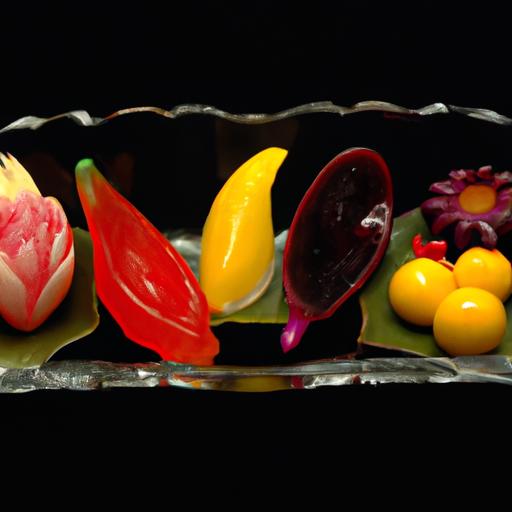

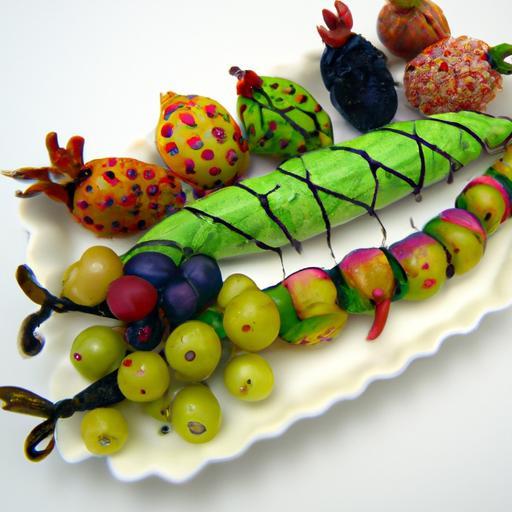
Nestled within the vibrant tapestry of Thai cuisine lies a charming delicacy that is as much a feast for the eyes as it is indeed for the palate: Luk Chup. These tiny, jewel-like miniature fruits are not mere sweets-they are masterpieces of edible artistry, painstakingly crafted from mung bean paste and glazed to a glossy perfection. Originating from royal kitchens centuries ago, Luk Chup has evolved from an exclusive treat into a beloved dessert that captures the essence of Thailand’s rich cultural heritage. In this article, we unveil the fascinating story, intricate craftsmanship, and delightful flavors behind Luk chup, inviting you to discover how this petite dessert continues to enchant gourmands around the world.
Luk Chup, Thailand’s artful miniature fruit desserts unveiled, capture the essence of Thai culinary artistry in tiny, vibrant sculptures made from mung bean paste. These exquisite treats, steeped in history and symbolism, have long been a symbol of wealth, festivity, and meticulous craftsmanship. Their delicate appearance and delightful sweetness make them a feast for both the eyes and the palate, inviting home cooks and food enthusiasts alike to explore the fascinating world of traditional Thai confectionery.
Prep and Cook Time
- Preparation: 45 minutes
- Cooking: 30 minutes
- Drying time (optional glazing): 1 hour
Yield
Approximately 40-50 miniature pieces
Difficulty Level
Advanced: Requires patience and delicate handwork
Ingredients
- 1 cup mung beans, peeled and split
- 1 cup granulated sugar
- 1/2 cup coconut milk (full fat)
- 1 tablespoon agar-agar powder or gelatin
- Food coloring: natural or gel-based (red, yellow, green, orange)
- Vegetable oil, for brushing and molding
- Water, as needed
- Optional: edible gold leaf or luster dust for garnish
Instructions
- Prepare the mung bean paste: Soak mung beans in water for at least 4 hours or overnight. Drain and steam or boil until soft, about 20 minutes. Drain again and mash or blend into a smooth paste.
- Cook the paste: In a non-stick pan,combine the mung bean paste,sugar,and coconut milk. Cook over medium-low heat, stirring constantly to prevent sticking, until the mixture thickens and forms a dough-like consistency, about 10-15 minutes.
- Knead and cool: Transfer the cooked paste onto a clean surface lightly greased with vegetable oil. Knead until smooth and pliable. Let it cool to room temperature.
- Shape the fruit: Pinch small amounts of mung bean dough and mold into miniature fruit shapes-mangoes, cherries, grapes, or chili peppers. Use tweezers or toothpicks to texture and shape details.
- Color the fruit: Dilute food coloring with a little water to create paint-like colors. Use fine brushes to apply vibrant hues layer by layer,blending shades for realism. Allow each color to dry slightly before adding the next.
- Glaze and dry: Dissolve agar-agar or gelatin in warm water as per package instructions to create a clear glaze. Dip each colored fruit carefully,allowing excess to drip off,and place on parchment paper to dry,about 30-60 minutes,until shiny and firm.
- serve and enjoy: Arrange your miniature fruit on a decorative plate or banana leaf to highlight their vivid colors and craftsmanship.
Tips for Success
- Consistency is key: The mung bean paste should be pliable but not sticky. If too dry, add a teaspoon of coconut milk; if too wet, cook longer until dough forms.
- Work quickly with colors: Mix food coloring in small amounts to prevent wastage and keep brushes clean for crisp details.
- Practice shaping: Use small cookie cutters or molds if hand-shaping feels intimidating.
- Store carefully: Keep Luk Chup in an airtight container in a cool place. Avoid refrigeration as it may cause condensation and dull colors.
- Make ahead: Prepare the mung bean paste a day before to allow flavors to meld and reduce the workload when shaping and coloring.
Serving Suggestions
These jewel-like mini fruits shine best when served at room temperature on flat, decorative dessert plates lined with banana leaves or colorful silk cloths.garnish with edible gold leaf or a light dusting of edible shimmer powder to elevate their festive appearance. Pair Luk Chup with a cup of Thai tea or jasmine tea to balance sweetness and cleanse the palate.For celebrations, arrange them in miniature bamboo baskets or glass jars to showcase their intricate beauty and cultural heritage.

| Nutrient | Per Serving (1 piece) |
|---|---|
| Calories | 30 kcal |
| Protein | 1.2 g |
| Carbohydrates | 5 g |
| Fat | 0.5 g |
For more insight into Thai desserts, explore our comprehensive Thai Desserts Guide. To deepen your understanding of mung beans and their nutritional benefits, visit the Harvard T.H. Chan School of Public Health.
Q&A
Q&A: Luk Chup – Thailand’s Artful Miniature Fruit Desserts Unveiled
Q1: What exactly is Luk Chup?
A1: Luk Chup is a traditional Thai dessert that dazzles the eyes and delights the palate. These are tiny, vividly colored sweets crafted to resemble miniature fruits and vegetables-so realistic, you might hesitate before taking a bite! Made primarily from mung bean paste, sugar, and coconut milk, each piece is carefully molded and painted with natural food coloring, then glazed with a shiny coating to mimic the fresh allure of nature’s bounty.
Q2: How did Luk Chup originate?
A2: Luk Chup has roots tracing back to the Portuguese influence in Thailand during the Ayutthaya period (14th to 18th centuries). Originally inspired by a similar Portuguese confection, Thai cooks adapted the recipe and transformed it using local ingredients and artistry, elevating it into a unique expression of Thai culinary craftsmanship.
Q3: What makes Luk Chup so special compared to other desserts?
A3: beyond its delightful taste, luk chup captivates with its meticulous artistry. Each miniature fruit-be it a cherry, mango, chili, or lime-is hand-shaped and hand-painted with astonishing detail. This fusion of artistry and dessert turns eating into an experience,merging food with visual wonder. It’s a feast for both the eyes and the tongue!
Q4: What ingredients are used in Luk Chup?
A4: The heart of Luk chup is smooth mung bean paste, blended with sugar and coconut milk for sweetness and creaminess. Natural food colorings derived from plants and vegetables give the fruits their vibrant hues. a thin layer of agar or gelatin gives the desserts their signature glossy finish.
Q5: how is Luk Chup traditionally made?
A5: The process begins by cooking mung beans until soft, then blending them into a fine paste. This paste is mixed with coconut milk and sugar until smooth. Once cooled, the paste is shaped into tiny fruits using molds or skilled hands, then delicately painted with colorful dyes. The final touch is a gentle dip in a clear glaze, which hardens into a shiny shell.
Q6: Are Luk Chup desserts widely available today?
A6: While once considered a royal dessert reserved for special occasions, Luk Chup has found its way into markets, festivals, and boutique sweet shops across Thailand. Chefs continue to innovate with shapes and flavors, keeping the tradition alive and introducing it to new generations and international enthusiasts.
Q7: Can Luk Chup be made at home?
A7: Absolutely! Though it requires patience and a steady hand, making Luk Chup at home is a rewarding adventure. Many home cooks enjoy experimenting with fruit shapes and colors, turning the kitchen into a miniature art studio. With practice, anyone can bring these little edible jewels to life.
Q8: What cultural significance does Luk chup hold?
A8: Luk chup embodies Thailand’s reverence for beauty, patience, and hospitality. Offering these intricate sweets symbolizes care and respect, frequently enough served during festivals and celebrations. they remind us that food is not just nourishment but a form of artistic expression and a bridge connecting tradition with joy.
Q9: How should Luk Chup be stored and enjoyed?
A9: Due to their delicate nature and moisture content, Luk Chup is best kept in a cool, dry place and eaten fresh within a day or two.When serving, their glossy finish and vivid colors make them perfect for gifting or as conversation starters at gatherings.Taste-wise, they offer a subtly sweet, creamy flavor with a melt-in-your-mouth texture.
Q10: Why should one try Luk Chup?
A10: Trying Luk Chup is like tasting a piece of Thai heritage wrapped in miniature artistry. It’s a unique blend of culture, craftsmanship, and flavor that transcends ordinary dessert experiences. for both food lovers and art aficionados alike, Luk Chup is a tiny treasure worth discovering and savoring.
In Conclusion
As we peel back the layers of Luk Chup, Thailand’s enchanting miniature fruit desserts, we discover more than just sugar and skill-they are edible art pieces that capture the vibrant spirit and intricate craftsmanship of Thai culture. Each tiny mango, cherry, or lime is a testament to the patience and creativity passed down through generations, inviting us not only to savor their delicate sweetness but also to appreciate the storytelling embedded in every bite. Whether you stumble upon Luk Chup in a bustling Bangkok market or recreate them in your own kitchen,these diminutive delights offer a charming glimpse into a world where food becomes both muse and masterpiece. Luk chup reminds us that sometimes, the smallest things hold the most delightful surprises.