
there’s something undeniably magical about sushi-the delicate balance of flavors, the artful presentation, and the satisfying ritual of rolling and slicing.While it might seem like a skill reserved for seasoned chefs behind sushi bars, mastering sushi at home is both achievable and incredibly rewarding. whether you’re a curious beginner or a seasoned foodie looking to expand your culinary repertoire, this guide will take you on a flavorful journey through 15 of the best sushi recipes. From classic favorites to inventive twists, you’ll learn not just how to recreate these dishes but also the secrets behind perfect rice, expert rolling techniques, and essential tips that turn ordinary ingredients into exceptional bites. Ready to roll up your sleeves and dive into the world of sushi? Let’s transform your kitchen into a sushi haven-one roll at a time.
Master sushi at home starts with understanding the foundation: clean,perfectly seasoned sushi rice and quality nori sheets. These essentials, combined with inspired fillings and precise rolling techniques, transform your kitchen into a sushi haven.Whether you’re emulating a Tokyo sushi bar or crafting your own fusion rolls, the right ingredients and tools elevate every bite.
Prep and Cook time
- Preparation: 40 minutes
- Cooking: 20 minutes
- Total Time: 1 hour
yield
serves 4 sushi enthusiasts (approximately 12 rolls).
Difficulty Level
Medium - perfect for beginners ready to embrace authentic sushi-making techniques with confidence.
Ingredients
- 2 cups sushi rice (short-grain Japanese rice)
- 2 1/2 cups water (for cooking rice)
- 1/3 cup rice vinegar, seasoned (or mix 3 tbsp rice vinegar, 1 tbsp sugar, 1 tsp salt)
- 10 sheets nori (roasted seaweed)
- 1 cucumber, julienned
- 1 ripe avocado, sliced
- 200g sashimi-grade salmon, thinly sliced (optional)
- 150g imitation crab sticks, shredded
- 2 tbsp toasted white sesame seeds
- Soy sauce, for serving
- Pickled ginger and wasabi, for garnish
- Bamboo sushi rolling mat (covered with plastic wrap)
Instructions
- Rinse and soak the sushi rice: Place the rice in a fine-mesh sieve and rinse under cold water until the water runs clear to remove excess starch. Soak the rice in 2 cups fresh water for 30 minutes before cooking to improve texture.
- Cook the sushi rice: Drain the soaked rice and combine with 2 1/2 cups water in a heavy-bottomed pot or rice cooker. Bring to a boil,then cover and simmer over low heat for 15 minutes. remove from heat and let it steam for 10 minutes without lifting the lid.
- Season the rice: Transfer cooked rice to a wooden or wide shallow bowl. Gently fold in the seasoned rice vinegar mixture using a wooden paddle or spatula,fanning simultaneously to cool the rice quickly for that glossy finish-avoid mashing the grains.
- Prepare your fillings: While the rice cools, julienne cucumber, slice avocado, shred crab, and prepare fish slices. Have all fillings ready to assemble.
- Lay out nori and spread rice: place a nori sheet shiny-side down on the bamboo mat. With wet hands (to prevent sticking), spread a thin, even layer of sushi rice on the nori, leaving a 1-inch border at the top.
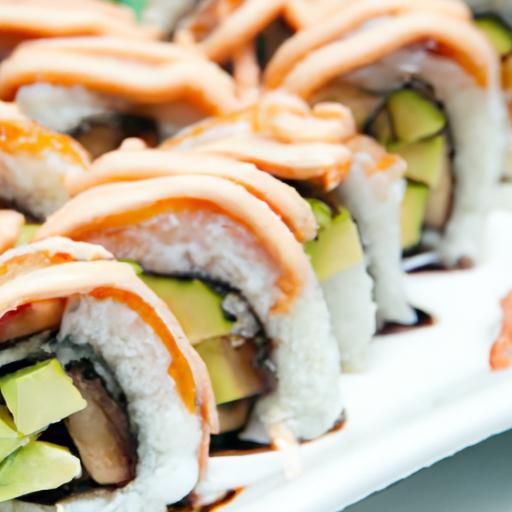
- add creative fillings: Arrange your choice of fillings in a line across the center of the rice. For a classic California roll, use crab, cucumber, and avocado. For a more adventurous roll, try spicy tuna mixed with mayo and sriracha.
- Roll it tightly: Lift the edge of the bamboo mat, tucking the nori over the fillings tightly. Press gently but firmly as you roll forward, shaping a compact log. Use the mat to apply even pressure.
- Cut the sushi rolls: Use a sharp knife dipped in water to slice the roll into 6 to 8 equal pieces. Wiping the blade clean between cuts ensures pristine edges.
- Garnish and serve: Sprinkle toasted sesame seeds on top or pipe a line of spicy mayo. Serve with soy sauce, pickled ginger, and wasabi on the side.
Tips for Success
- Rice perfection: Short-grain rice is essential for stickiness. Avoid rinsing post-cooking to preserve seasoning.
- Nori quality matters: Use fresh, crispy nori sheets; damp or old sheets will tear and compromise rolling.
- Wet your hands often: Prevent rice from sticking during spreading by dipping fingers in water mixed with a touch of rice vinegar.
- Try variety with fillings: mix textures and flavors with crunchy tempura, creamy avocado, fresh herbs like shiso, or tangy pickled vegetables.
- Make ahead: Prepare sushi rice and fillings up to 2 hours in advance. Keep rice covered with a damp cloth at room temperature.
Serving Suggestions
Plate your sushi rolls creatively on a bamboo sushi platter or slate board. Use fresh edible flowers or thinly sliced cucumber ribbons as garnishes. Pair with chilled sake or green tea to complete the authentic experience. For a crowd, create a DIY sushi bar with multiple fillings and dipping sauces.

| Nutritional Data (per roll) | Calories | Protein | Carbs | Fat |
|---|---|---|---|---|
| California Roll (avg) | 250 | 9g | 38g | 5g |
| Spicy Tuna Roll | 280 | 15g | 36g | 8g |
| vegetarian Roll | 200 | 5g | 40g | 3g |
For further inspiration on creating delectable homemade Japanese dishes, explore our Ultimate Japanese Ramen Guide. Also, learn more about rice types and sushi history at Japan Guide.
Q&A
Q&A: Master Sushi at Home – 15 Best Recipes & How to Make Them
Q1: Why should I try making sushi at home instead of ordering from a restaurant?
A: Making sushi at home is a rewarding adventure that lets you customize flavors, experiment with fresh ingredients, and impress friends with your culinary skills. Plus, it’s frequently enough healthier, more affordable, and-you get the fun of rolling your own creations!
Q2: what are the essential tools needed to start making sushi at home?
A: To master sushi, you’ll want a sharp sushi knife (or any sharp kitchen knife), a bamboo sushi rolling mat (makisu), a rice cooker or pot for perfect sushi rice, a bowl of water to keep your hands wet while handling sticky rice, and plastic wrap to help with rolling certain types.
Q3: How do I prepare the perfect sushi rice?
A: Sushi rice is the heart of every roll.Rinse your short-grain rice until the water runs clear, cook it until fluffy, then season with a mixture of rice vinegar, sugar, and salt while it’s still warm. Let it cool to room temperature before rolling – sticky, shiny, and subtly tangy is the goal.
Q4: What are some beginner-friendly sushi recipes to try first?
A: Start simple! Classic California rolls, cucumber maki, spicy tuna rolls, and avocado sushi are excellent beginner recipes. They use easy-to-handle ingredients and help you get cozy with rolling techniques.
Q5: Can I use cooked ingredients instead of raw fish?
A: Absolutely! Cooked shrimp,crab sticks,grilled eel (unagi),or tempura vegetables make fantastic fillings. This is a great option for those hesitant about raw fish or seeking a different taste profile.
Q6: How do I prevent my sushi rolls from falling apart?
A: The secret lies in properly seasoned rice-not too wet or dry-and the right rolling technique. Use gentle but firm pressure with your bamboo mat, keep your hands damp to prevent rice sticking, and avoid overfilling your rolls.
Q7: What are some creative sushi recipes beyond the classic rolls?
A: Explore dragon rolls with avocado and eel, rainbow rolls topped with assorted sashimi, temaki (hand rolls) for easy handheld sushi, or vegan sushi bowls using vibrant veggies and flavorful sauces. The possibilities are endless!
Q8: How should I store homemade sushi if I can’t eat it immediately?
A: Sushi is best enjoyed fresh. However, if you must store it, wrap rolls tightly in plastic wrap and refrigerate for up to 24 hours. Avoid freezing as it can affect the rice’s texture. When ready, let it come to room temperature for better taste.
Q9: can kids get involved in making sushi at home?
A: Definitely! Kids love rolling their own sushi and creating fun combinations. Just supervise when using knives and handle raw fish carefully. Sushi-making is a great way to introduce children to new flavors and cooking skills.
Q10: Where can I find high-quality ingredients for making sushi at home?
A: Manny grocery stores carry sushi-grade fish, but Asian markets often offer the best selection of fresh fish, nori (seaweed), and specialty sauces. Online specialty stores are also great for authentic rice and condiments.Q11: How long does it typically take to make sushi at home?
A: Once you get the hang of it, making sushi rolls can take between 30 to 60 minutes from rice preparation to rolling and slicing. Some intricate recipes may take longer, but the process itself is part of the fun!
Q12: What are some common mistakes to avoid when making sushi?
A: Avoid overfilling your rolls, using overly wet rice, or rolling too loosely. Also, ensure your knife is sharp when slicing rolls to prevent squashing. Lastly, don’t rush the rice cooling process-it’s crucial for good texture.
Q13: How do I serve sushi at home for an authentic experience?
A: Serve sushi with small dishes of soy sauce, pickled ginger, and wasabi. Use chopsticks or even your fingers, and pair with green tea, sake, or chilled Japanese beer for the full ambiance.
Q14: what are some tips for mastering sushi rolling technique?
A: Practice makes perfect! Use the bamboo mat to apply even pressure, keep your rice layer thin, and roll away from you smoothly. don’t press too hard-aim for a tight yet delicate roll. Watching tutorial videos can help visualize the motions.
Q15: Is mastering sushi at home tough?
A: Like any culinary art, sushi takes patience and practice, but it’s absolutely doable with the right guidance. Our 15 best recipes and step-by-step instructions will have you rolling like a pro in no time-turn your kitchen into your favorite sushi bar!
Insights and Conclusions
Embarking on the journey to master sushi at home is more then just following a recipe-it’s about embracing an art form that combines tradition,precision,and creativity. With these 15 carefully curated recipes and step-by-step guidance,you’re now equipped to transform simple ingredients into stunning,flavorful creations right in your own kitchen. Whether you’re crafting delicate nigiri, rolling vibrant maki, or experimenting with inventive fillings, each bite is a celebration of skill and passion. So gather your tools, invite friends and family, and dive into the joyful ritual of sushi making. Your homemade sushi adventure awaits-ready to impress both your palate and your guests time and time again.