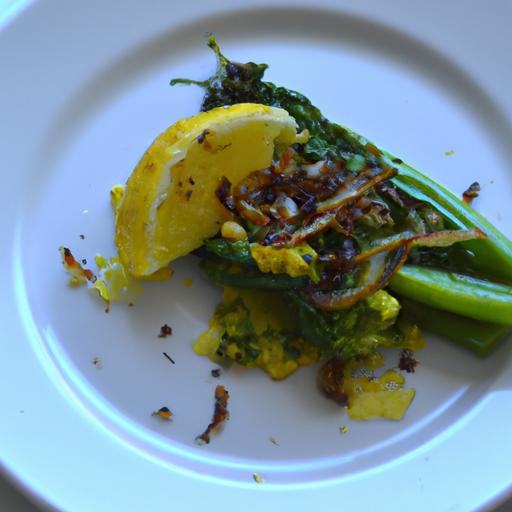

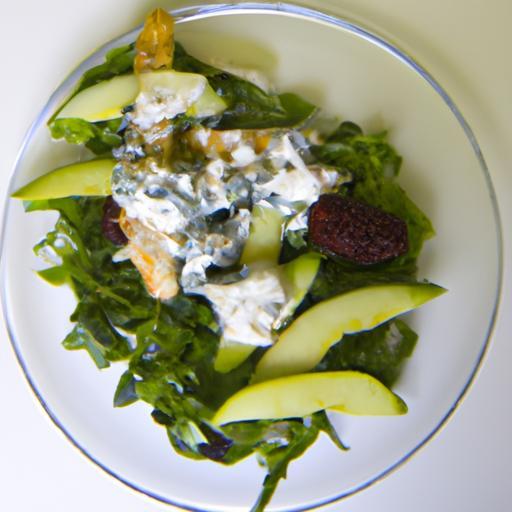
In a world increasingly conscious of health, sustainability, and compassion, the allure of plant-powered plates has never been stronger.Vegan and vegetarian living isn’t just a dietary choice-it’s a vibrant lifestyle that celebrates nature’s bounty in all it’s colorful, nutrient-rich glory. From the crunch of fresh greens to the hearty satisfaction of legumes and grains, embracing plant-based meals invites us to rediscover food as a source of vitality and connection. This article journeys through the vibrant landscapes of vegan and vegetarian living, exploring how these mindful eating habits nourish our bodies, honor the planet, and inspire a new way of savoring every bite.
Plant-Powered Plates open the door to vibrant, nutrient-dense meals that not only nourish the body but also delight the senses. One dish that embodies this essence is the hearty and colorful Rainbow quinoa Buddha Bowl, a festivity of fresh vegetables, protein-packed quinoa, and bold flavors that can brighten any table. Inspired by global flavors and my travels through vibrant farmer’s markets,this bowl is as visually stunning as it is indeed satisfying-perfect for any occasion,from a quick lunch to a festive dinner.
Prep and Cook Time
Readiness: 20 minutes
Cooking: 25 minutes
Total: 45 minutes
Yield
Serves 4 generously
Difficulty Level
Easy to Medium
Ingredients
- 1 cup quinoa, rinsed thoroughly
- 2 cups water or vegetable broth for extra flavor
- 1 medium sweet potato, peeled and diced into ½-inch cubes
- 1 cup cherry tomatoes, halved
- 1 cup shredded red cabbage
- 1 small avocado, sliced
- 1 cup cooked chickpeas (canned or home-cooked)
- 2 cups fresh spinach, roughly chopped
- 2 tablespoons extra virgin olive oil
- 1 teaspoon smoked paprika
- ½ teaspoon ground cumin
- Salt and freshly ground black pepper, to taste
- 1 tablespoon tahini
- Juice of 1 lemon
- 2 tablespoons chopped fresh parsley
- 1 clove garlic, minced
- Optional: toasted pumpkin seeds or hemp seeds for garnish
Instructions
- Cook the quinoa: In a medium saucepan, bring 2 cups water or vegetable broth to a boil. Add rinsed quinoa, reduce heat, cover, and simmer for 15 minutes until the water is absorbed and quinoa is fluffy. Remove from heat and let sit covered for 5 minutes.
- Roast the sweet potato: Preheat oven to 400°F (200°C). Toss diced sweet potato with 1 tablespoon olive oil, smoked paprika, cumin, salt, and pepper. Spread on a baking sheet and roast for 20 minutes, flipping halfway until tender and golden.
- Prepare the tahini dressing: Whisk together tahini, lemon juice, minced garlic, 1 tablespoon olive oil, and a pinch of salt with 2-3 tablespoons warm water until smooth and creamy. Adjust consistency with water as needed.
- Assemble the bowl: Divide quinoa equally into four bowls. Top each with roasted sweet potato, cherry tomatoes, red cabbage, spinach, chickpeas, and avocado slices. Drizzle generously with tahini dressing.
- Garnish: sprinkle fresh parsley and optional toasted pumpkin or hemp seeds for a delightful crunch and enhanced nutrition.
- Final touch: Serve promptly, or chill for 30 minutes for a refreshing cold bowl perfect on warm days. Leftovers store well refrigerated up to 3 days.
Tips for Success
- For extra protein, swap chickpeas with grilled tofu or tempeh cubes.
- Use quinoa’s water absorption time to roast your vegetables-multitasking saves time and keeps flavors vibrant.
- To avoid bitter tahini dressing, use well-stirred, creamy tahini and always add lemon juice gradually while whisking.
- Make this bowl ahead-just keep avocado slices separate to maintain freshness.
Serving Suggestions
Serve this Plant-Powered Plates-inspired Buddha Bowl with warm whole-grain flatbreads or a side of fermented sauerkraut for gut-friendly goodness. A crisp sparkling water with lemon complements its freshness beautifully, while an elegant sprinkle of edible flowers can elevate presentation for special occasions.

| Nutrient | Per Serving |
|---|---|
| Calories | 420 kcal |
| Protein | 15 g |
| Carbohydrates | 55 g |
| Fat | 14 g |
Hungry for more Plant-Powered Plates inspiration? Explore our Top Vegan Brunch Recipes for fresh, creative ideas to energize your mornings. For additional nutrition tips tailored to plant-based eaters, visit the NutritionFacts.org vegan diet section.
Q&A
Q&A: Plant-Powered Plates - Exploring Vegan and Vegetarian Living
Q: What exactly does “plant-powered” mean in the context of vegan and vegetarian diets?
A: “Plant-powered” is a vibrant way to describe eating that is fueled primarily by plant-based foods-fruits, vegetables, grains, legumes, nuts, and seeds. It celebrates the natural energy and nutrients these foods provide, emphasizing vitality and sustainability. Whether you’re vegan (excluding all animal products) or vegetarian (excluding meat but possibly including dairy and eggs), being plant-powered means your plate is bursting with nature’s colors and goodness.
Q: Why are more people gravitating toward vegan and vegetarian lifestyles today?
A: Several factors fuel this green revolution. Environmental concerns top the list-plant-based diets generally have a lower carbon footprint and conserve water and land resources. Health plays a starring role too; many find that reducing meat intake can lower risks of chronic diseases. Ethical considerations for animal welfare and a desire for culinary adventure also inspire many to explore plant-powered living.It’s not just a diet-it’s a lifestyle with a purpose.
Q: How can someone new to plant-based eating make the transition without feeling overwhelmed?
A: Start small and play creatively.Begin by introducing “Meatless Mondays,” swapping one animal-based meal a week with a plant-powered alternative. Experiment with familiar dishes reinvented-think lentil Bolognese rather of beef, or chickpea curry rather than chicken. Focus on whole foods and explore spices, herbs, and textures to keep meals exciting. Remember, it’s about progress, not perfection.Q: What are some essential nutrients to watch for on vegan and vegetarian diets?
A: Plant-powered diets can be incredibly nourishing,but mindful attention to certain nutrients ensures vibrant health. Key players include protein (from beans, lentils, tofu, nuts), vitamin B12 (frequently enough supplemented or found in fortified foods), iron (lentils, spinach, pumpkin seeds), omega-3 fatty acids (flaxseeds, walnuts, chia), calcium (fortified plant milks, kale, broccoli), and vitamin D. Diversity on your plate is the best insurance policy.
Q: Can plant-based eating support an active lifestyle and athletic performance?
A: Absolutely! Many elite athletes thrive on vegan and vegetarian diets, proving that plants provide ample protein, energy, and recovery power. Foods like quinoa, black beans, tempeh, and nuts combine to meet the demands of training and competition. The key is balanced meals with sufficient calories and nutrients to fuel your unique activity level.
Q: What are some common misconceptions about vegan and vegetarian diets?
A: One myth is that these diets are automatically bland or limiting-far from it! Plant-based cooking unlocks a world of vibrant flavors and textures.Another misconception is that you can’t get enough protein, but nature’s pantry is packed with protein-rich options. Some fear vitamin deficiencies, but with smart choices or supplements, it’s entirely manageable. The biggest truth? Plant-powered living is as varied and flavorful as you make it.
Q: How does embracing a plant-powered lifestyle impact the environment?
A: Choosing plants over animal products dramatically reduces greenhouse gas emissions, conserves precious water, and preserves biodiversity. Livestock farming is resource-intensive, contributing considerably to deforestation and pollution. By shifting toward plant-focused diets,we lighten our ecological footprint and nurture the planet’s future-one vibrant plate at a time.
Q: What role does cultural diversity play in plant-based eating?
A: Cultural traditions worldwide offer a rich tapestry of plant-powered dishes-from Indian dals and Ethiopian stews to Mediterranean salads and Japanese vegetable sushi. Exploring these cuisines invites excitement and accessibility into vegan and vegetarian living,making it a joyful journey rather than a restrictive choice.Food becomes a bridge connecting us to global heritage and community.
Q: Where can readers find inspiration and resources to dive deeper into plant-powered living?
A: The plant-based movement is buzzing with vibrant communities, cookbooks, blogs, and documentaries. Look for vegan and vegetarian recipe collections, online forums, local cooking classes, and apps that provide meal plans and nutritional info. Connecting with like-minded individuals keeps motivation high and ideas flowing. Remember, every green step begins with curiosity and an open palate!
In Conclusion
As we’ve journeyed through the vibrant world of plant-powered plates, it’s clear that embracing vegan and vegetarian living is more than just a dietary choice-it’s a celebration of life’s freshest flavors, a commitment to sustainability, and an invitation to nurture both body and planet. Whether you’re a curious newcomer or a seasoned herbivore,the colorful spectrum of fruits,vegetables,grains,and legumes offers endless possibilities to inspire your meals and elevate your well-being.So, next time you sit down to eat, consider letting plants take centre stage-and discover how deliciously transformative a plant-powered lifestyle can be.