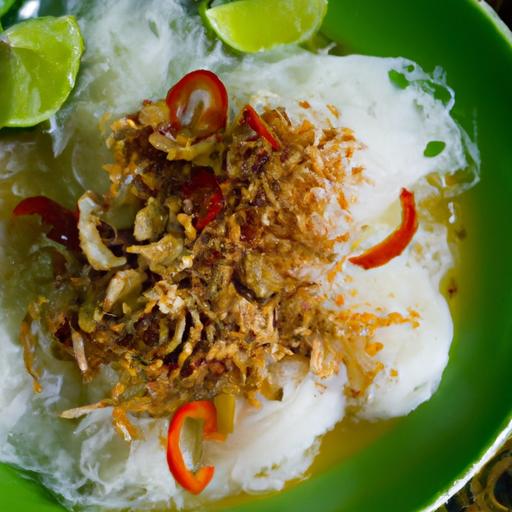

In teh vibrant tapestry of Thai cuisine, few dishes capture the essence of tradition and taste as vividly as Khanom Jeen. These delicate,fermented rice noodles are more than just a staple-they are a culinary journey steeped in history,culture,and communal party. From bustling street markets to serene temple festivals, Khanom Jeen transforms simple ingredients into a feast of flavors, textures, and colors that tell the story of Thailand’s rich gastronomic heritage. Join us as we unravel the mysteries behind this beloved fermented noodle dish, exploring its origins, regional variations, and the unique rituals that make Khanom Jeen a sensory experience unlike any other.
Khanom Jeen holds an enchanting place in thailand’s culinary tapestry, blending tradition, community, and an artful mastery of fermentation. This beloved fermented rice noodle feast,originally influenced by southern Thai culture and intertwined with neighboring Burmese and mon cuisines,is more than just a dish-it’s a celebration of history and flavour. On my first encounter with Khanom Jeen, the vibrant bowls brimming with tangy curries, crunchy fresh herbs, and the elegant chewiness of fermented rice noodles left a lasting impression that’s inspired countless kitchen adventures since.
Prep and Cook Time
- Preparation: 1 hour (includes fermentation time)
- Cooking: 30 minutes
- Total time: Approximately 1 hour 30 minutes (plus fermentation overnight)
Yield
Serves 4 generous portions
Difficulty Level
Medium – Requires patience for fermentation and multiple components,but straightforward with guided steps.
Ingredients
- For the Khanom Jeen noodles:
- 2 cups long-grain white rice, soaked overnight
- 1/2 teaspoon salt
- Water, as needed
- For the Green curry Topping (Gaeng Kiew Wan):
- 2 tablespoons green curry paste
- 1 cup coconut milk
- 200g chicken breast, sliced thinly
- 1/2 cup Thai eggplants, quartered
- 2 kaffir lime leaves, torn
- 1 tablespoon fish sauce
- 1 teaspoon palm sugar
- for Garnishes and Accompaniments:
- Fresh Thai basil leaves
- Sliced green beans
- Bean sprouts
- Thinly sliced cabbage
- Chopped cilantro
- Lime wedges
Instructions
- Prepare the fermented rice dough: Drain the soaked rice and grind it into a smooth, slightly watery batter using a blender or food processor. add salt and stir well.
- Ferment the rice batter: Cover the batter with a cloth, and leave it to ferment at room temperature for 12-24 hours until a slightly sour aroma develops. This fermentation is key to authentic khanom jeen flavor and texture.
- Cook the noodles: bring a large pot of water to a boil. Using a spoon, drop small portions of fermented batter into boiling water, forming thin noodle strands or little dumplings. Cook until noodles float to the surface, about 2-3 minutes.
- Remove and rinse: Transfer cooked noodles into ice water to stop cooking and firm up texture. Drain well and set aside.
- Make the green curry topping: Heat a pan over medium heat and add the green curry paste to dry-fry gently for 1 minute, releasing its fragrant oils.
- Add coconut milk: Gradually stir in the coconut milk, mixing thoroughly to combine with the curry paste.
- Add chicken and vegetables: Simmer chicken slices, Thai eggplants, kaffir lime leaves. Cook until chicken is tender and eggplants soften, about 10 minutes.
- Season the curry: Stir in fish sauce and palm sugar, balancing savory and sweet until curry tastes rich and harmonious.
- Assemble the dish: Place chilled fermented noodles in serving bowls, ladle generously with hot green curry, and garnish with fresh herbs, sliced green beans, bean sprouts, cabbage, cilantro, and lime wedges.
Tips for Success
- Fermentation timing: Warmer climates shorten fermentation; adjust timing to avoid over-souring.
- Rice selection: Use Thai fragrant rice or jasmine rice for subtle floral notes.
- Forming noodles: Using a piping bag or squeeze bottle produces uniform noodle strands,improving presentation.
- Curry variations: Try other classic Thai toppings like Nam Ya (fish-based curry) or Massaman for regional diversity.
- Make ahead: Fermented rice dough can be refrigerated for up to 2 days; bring back to room temperature before cooking.
Serving Suggestions
Present your vibrant bowls with crunchy vegetable heaps on the side to contrast the silky, fermented noodles. A scattering of fresh Thai basil and a few lime wedges enhance brightness. For an authentic experience, accompany with small fish sauce dips or homemade chili-paste relishes (Nam Prik), and serve family-style for a communal Thai feast.

| Nutritional Facts (per serving) | Calories | Protein | Carbohydrates | Fat |
|---|---|---|---|---|
| Khanom Jeen with Green Curry | 450 kcal | 25 g | 45 g | 15 g |
For those intrigued by the art of fermentation and rich taste of authentic Thai noodles, explore more fermentative delights here.To dive deeper into fermented foods worldwide, the National Geographic overview offers an insightful resource.
Q&A
Q&A: Khanom jeen – Exploring Thailand’s Fermented Rice Noodle Feast
Q1: What exactly is Khanom Jeen?
A: Khanom Jeen (ขนมจีน) refers to a conventional Thai dish featuring freshly made, thin rice noodles that have undergone a unique fermentation process. Unlike typical rice noodles that are simply boiled, Khanom Jeen noodles are fermented overnight, giving them a subtly tangy flavor and a delightfully chewy texture. They’re often served cold or at room temperature, accompanied by an array of flavorful curries and fresh herbs.
Q2: How is the fermentation process crucial to Khanom Jeen?
A: The fermentation is the heart and soul of Khanom Jeen. Overnight soaking allows naturally occurring friendly bacteria to transform the rice dough, developing a gentle sourness and enhancing digestibility. This subtle fermentation sets khanom Jeen apart from regular rice noodles, imparting a complex depth that elevates every bite and balances rich, spicy sauces perfectly.
Q3: What are some popular ways to enjoy Khanom Jeen?
A: Khanom Jeen is a versatile canvas for Thailand’s vibrant flavors. In the south, it’s frequently enough paired with Nam Ya – a spicy fish-based curry; in the central region, servings with Nam Prik or green curry are common. In northern Thailand, Khanom Jeen might accompany a rich peanut curry or a piquant fermented bean sauce.Fresh garnishes like bean sprouts, pickled vegetables, boiled eggs, and fragrant herbs complete the experience.
Q4: Is Khanom Jeen eaten for breakfast or other meals?
A: Absolutely! Khanom jeen is a beloved breakfast dish across Thailand, especially among locals seeking a hearty yet refreshing start to the day. However, it’s equally popular for lunch and dinner, thanks to its lightness combined with intense flavors. Street vendors and markets bustle with Khanom Jeen stalls from dawn till dusk – a true testament to its all-day appeal.Q5: What cultural meaning does Khanom Jeen hold in Thailand?
A: Beyond being a dish, khanom Jeen symbolizes community and tradition. The time-intensive fermentation and noodle-making processes are frequently enough passed through generations, highlighting craftsmanship and patience. Khanom Jeen festivals and local markets celebrating the noodle are common, reinforcing its status as not just food but an edible heritage connecting Thai people with their regional roots.
Q6: Can Khanom Jeen be made at home?
A: Yes, but it requires dedication! Authentic khanom Jeen needs quality rice, meticulous grinding to a batter, and careful fermentation to achieve the right balance of sourness and texture. While pre-made Khanom Jeen noodles are widely available, homemade versions reward cooks with fresher taste and customizable ferment times. Pair it with homemade curry, and you’ve got a culinary adventure right in your kitchen.
Q7: How does Khanom Jeen reflect Thailand’s broader culinary landscape?
A: Khanom Jeen beautifully encapsulates the essence of Thai cuisine: balance, boldness, and respect for fresh ingredients. Its fermented noodles bring subtle sourness; the accompanying curries and herbs layer sweetness, spice, saltiness, and bitterness into a harmonious dance. This dish exemplifies Thailand’s love for complex flavors and textures that nourish both body and soul.
Ready to embark on a sensory journey? Dive into a bowl of Khanom Jeen and savor the fermented magic that’s cherished across Thailand!
Insights and Conclusions
as the last strands of Khanom Jeen slip from your chopsticks,you’re left not just with the lingering flavors of fermented rice noodles and aromatic curries-but with a deeper appreciation for a dish that embodies Thailand’s rich culinary heritage. More than just a meal, Khanom Jeen is a festive tapestry woven from history, culture, and community, inviting each diner to partake in an age-old tradition. Weather enjoyed at a bustling market stall or a quiet family gathering, this fermented delicacy continues to celebrate the artistry of Thai cooking-proving that sometimes, the simplest ingredients, nurtured by time and technique, create the most unforgettable feasts. So the next time curiosity strikes, dive into a bowl of Khanom Jeen and savor the story behind every savory, tangy bite.