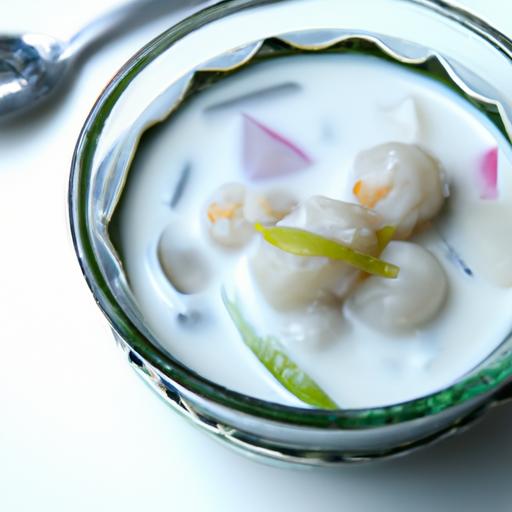

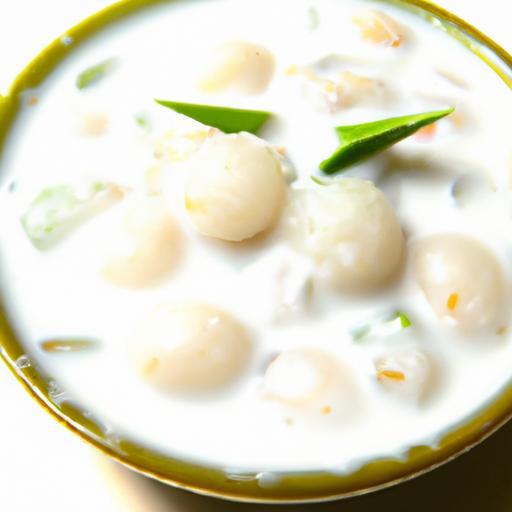
Nestled within the heart of Thai dessert culture lies a humble yet enchanting treat that captivates both the eye and the palate: Bua Loy, or taro balls swimming in luscious, creamy coconut milk. This delightful dessert weaves together the natural sweetness of taro with the rich, velvety texture of coconut, offering a comforting indulgence that feels both timeless and fresh. In this article, we embark on a flavorful journey to explore the origins, ingredients, and sensory pleasures of Bua Loy Delight-a simple dish that transforms everyday ingredients into a harmonious dance of taste and tradition. Whether you are a curious foodie or a seasoned dessert lover, prepare to uncover the subtle magic behind this creamy coconut classic.
Bua Loy Delight: Exploring Taro Balls in Creamy coconut milk
Bua Loy Delight is a cherished Thai dessert that embodies the warmth and richness of traditional home cooking. This comforting treat, featuring chewy taro balls gently simmered in a velvety coconut milk broth, carries centuries of cultural importance across Thailand. Each spoonful reveals a balance of textures and flavors that celebrate the tropical ingredients and skilled craftsmanship involved in its preparation, inspiring cooks worldwide to recreate this authentic experience in their own kitchens.
Prep and Cook Time
- Preparation Time: 30 minutes
- Cooking Time: 15 minutes
- Total Time: 45 minutes
Yield
Serves 4 generous portions
Difficulty Level
Medium – Requires attention to dough consistency and balance of coconut milk sweetness
Ingredients
- For the Taro Balls:
- 1 cup taro root, peeled and diced
- 1/2 cup glutinous rice flour
- 2 tablespoons sugar
- 1-2 tablespoons tapioca starch (for binding, optional)
- For the Coconut Milk Base:
- 2 cups full-fat coconut milk
- 1/2 cup water
- 1/2 cup palm sugar (or brown sugar), adjust to taste
- 1/4 teaspoon salt
- 1 pandan leaf, knotted (optional, for fragrance)
- To Garnish:
- toasted sesame seeds or crushed roasted peanuts
- Extra pandan leaves (for serving, optional)
Instructions
- Prepare the Taro: Steam the diced taro root until soft, about 15 minutes. Alternatively, boil in water until tender and drain well. Let it cool slightly.
- Make the Dough: mash the steamed taro until smooth. Add the sugar and gradually mix in glutinous rice flour. depending on the moisture, add tapioca starch a little at a time to achieve a pliable dough that’s non-sticky yet soft enough to shape.
- Form the Balls: Pinch small portions of dough and roll them between your palms into balls about 1 cm in diameter. Set aside on a parchment-lined tray.
- Cook Taro Balls: Bring a pot of water to a rolling boil. Gently drop the balls into the water and cook until they float to the surface plus an additional 2 minutes for full chewiness. scoop them out with a slotted spoon and rinse with cold water to stop cooking and maintain bounce.
- Prepare the Coconut Milk Base: In a saucepan, combine coconut milk, water, palm sugar, salt, and pandan leaf. Gently heat on medium-low, stirring frequently until the sugar dissolves fully. Avoid boiling vigorously to prevent curdling.
- Combine and Simmer: Add the cooked taro balls into the sweetened coconut milk. Let them simmer gently for 3-5 minutes so the flavors meld and the balls warm through.
- Serve Warm: Remove pandan leaf and ladle the dessert into bowls. Garnish with toasted sesame seeds or crushed peanuts for added texture and aroma.
Tips for Success
- Consistency is Key: The dough should be soft but not sticky; adjust flour and starch as needed to achieve this balance.
- Pandan Leaf Magic: Including pandan leaf adds a subtle, sweet fragrance that elevates the coconut milk base significantly.
- Sugar Substitutes: palm sugar provides an authentic caramel-like depth, but brown sugar can be an accessible option.
- Make-Ahead: taro balls can be refrigerated after shaping for up to one day; re-poach briefly before serving to refresh their texture.
- Creative Twists: Incorporate natural food coloring from butterfly pea flower or pumpkin puree to create colorful variants that delight the eye.
Serving Suggestions
Serve the warm Bua Loy Delight in traditional ceramic bowls for an authentic presentation. A drizzle of thick coconut cream on top adds an extra dimension of creaminess. For a vibrant twist, sprinkle toasted coconut flakes or edible flower petals. This dessert pairs beautifully with a cup of strong Thai iced tea or freshly brewed jasmine tea to cleanse the palate.
| Nutrient | Per Serving |
|---|---|
| Calories | 280 kcal |
| protein | 3 g |
| Carbohydrates | 38 g |
| Fat | 12 g |
Discover more traditional Thai desserts to complement your culinary journey with Bua Loy Delight. For deeper insights into Thai culinary heritage,visit the Tourism Authority of Thailand.

Q&A
Q&A: Bua Loy Delight – exploring Taro balls in Creamy Coconut Milk
Q1: What exactly is Bua Loy, and why is it called a “delight”?
A: Bua Loy, which translates to “floating lotus,” is a traditional Thai dessert featuring chewy, colorful rice flour balls-frequently enough made from taro, sweet potato, or other natural flavors-simmered in a luscious, creamy coconut milk broth. It’s called a “delight” because of its harmonious balance between the smooth, rich coconut cream and the satisfyingly soft, slightly chewy taro balls, creating a comforting treat that feels both nostalgic and indulgent.
Q2: What makes taro balls special in this dessert?
A: Taro balls bring a subtle earthiness and natural sweetness that perfectly complements the creamy coconut milk. Their tender, slightly springy texture makes each bite enjoyable, offering a gentle contrast to the silky soup. When made fresh, thes little orbs hold a hint of nuttiness and a delightful purple hue, elevating the dish visually and texturally.
Q3: How is the creamy coconut milk prepared for Bua Loy?
A: The coconut milk in Bua Loy Delight is gently simmered with a touch of palm sugar and a pinch of salt to enhance its natural sweetness and create a velvety, aromatic base.sometimes, pandan leaves or a hint of vanilla are added while cooking to infuse subtle floral notes, enriching the sensory experience without overpowering the taro.
Q4: Are there any cultural or symbolic meanings behind Bua Loy?
A: Indeed! In Thai culture, bua Loy is often enjoyed during special occasions and festivals as a symbol of good fortune. The round, smooth balls represent unity, wholeness, and harmony-akin to lotus petals floating serenely on water-making it a dessert that’s as thoughtful as it is indeed tasty.
Q5: Can Bua Loy be customized or adapted for different tastes?
A: Absolutely. While taro is a beloved classic, bua Loy can feature a rainbow of variations-sweet potato, pumpkin, matcha, or black sesame balls are popular alternatives. The coconut milk can also be enriched with soy milk for a lighter twist or spiced up with ginger for warmth.Each adaptation offers a fresh take on an old favorite, inviting creativity with every bowl.
Q6: What’s the best way to enjoy Bua Loy Delight?
A: Bua Loy is best savored warm, served fresh to showcase the tender chew of the taro balls against the creamy coconut broth. It’s a comforting dessert perfect after a spicy meal or as an afternoon pick-me-up.Pair it with a cup of jasmine tea to cleanse the palate and amplify the soothing flavors.
Q7: Where can adventurous food lovers find authentic Bua Loy?
A: Authentic Bua Loy is a gem frequently enough found in traditional Thai markets, street stalls, and cozy family-run eateries. For those cooking at home, taro balls can be made from simple ingredients-taro, glutinous rice flour, sugar-bringing a piece of Thailand’s sweet heritage right to your kitchen.
Q8: Why should dessert enthusiasts add Bua Loy Delight to their culinary bucket list?
A: As it’s a sensory journey-combining vibrant color, rich aroma, and contrasting textures into a humble bowl that tells a story of culture, comfort, and creativity.Bua Loy Delight isn’t just dessert; it’s an invitation to explore the soul-soothing magic of thai flavors through the unassuming allure of taro balls in creamy coconut milk.
The Way Forward
as the last spoonful of warm, velvety coconut milk slips away, leaving behind the gentle sweetness of tender taro balls, your reminded that Bua Loy Delight is more than just a dessert-it’s a simple festivity of texture, tradition, and tropical taste. Whether you’re a seasoned foodie or a curious newcomer, exploring this creamy concoction offers a delicious glimpse into the heart of Southeast Asian comfort food. So next time you seek a treat that’s both soothing and satisfying, let the humble taro ball in coconut milk whisk you away on a flavorful journey worth savoring.