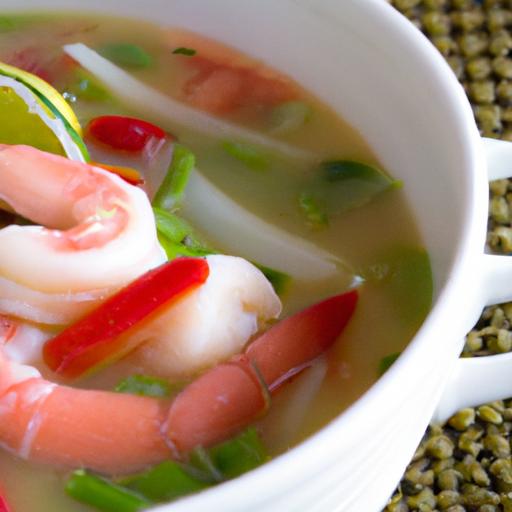

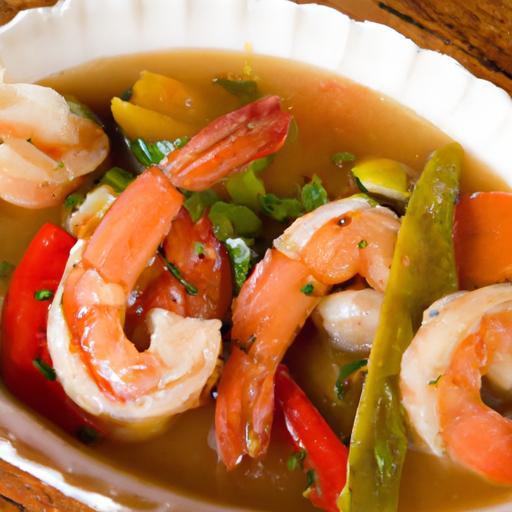
Ther’s a particular kind of magic that simmers in a pot of sinigang na hipon-a beloved Filipino shrimp soup known for its unmistakable tangy embrace. More than just a dish, sinigang na hipon is a vibrant party of flavors that dances between sour and savory, capturing the essence of the Philippines’ rich culinary heritage. Each spoonful tells a story of coastal abundance and time-honored traditions, where fresh shrimp meet a symphony of tamarind and native vegetables. In this article, we’ll dive deep into the heart of sinigang na hipon, uncovering its ingredients, cultural importance, and why this tangy soup continues to warm the tables and hearts of Filipino families around the world.
Sinigang na Hipon is a beloved Filipino shrimp soup that bursts with vibrant, tangy flavors cherished across generations. Originating from the heart of Filipino culinary traditions, this sour broth infused with fresh shrimp offers a perfect harmony of savory, sour, and umami, embodying the warmth and comfort of Filipino home-cooked meals. Growing up, I remember the aroma of tamarind simmering on the stove mixed with the ocean-fresh scent of shrimp, a scent that instantly gathered family around the table. This dish is not just nourishment but a celebration of Filipino heritage and the bounty of the sea.
prep and Cook Time
- Preparation: 15 minutes
- Cooking: 25 minutes
- Total Time: 40 minutes
Yield
Serves 4 hearty portions
Difficulty Level
Easy – perfect for both beginners and seasoned home cooks
Key Ingredients and Flavor Profiles that Define the Tangy Broth
The foundation of Sinigang na Hipon lies in its distinctively tangy broth, traditionally soured using fresh tamarind pods or tamarind paste. This sourness is perfectly balanced by the natural sweetness of succulent shrimp and the earthy notes of fresh vegetables. The broth’s complexity is heightened with aromatics like onion and tomato, while a splash of fish sauce adds depth and savory richness.Common vegetables include radish, long beans, and kangkong (water spinach), each contributing crunchy textures and freshness that enliven every spoonful.
Ingredients
- 1 lb fresh shrimp, cleaned and deveined
- 8 cups water
- 1 large onion, quartered
- 2 medium ripe tomatoes, quartered
- 1 cup tamarind pulp or 1/3 cup tamarind paste
- 1 medium daikon radish, sliced into ½-inch rounds
- 1 cup long green beans, trimmed to 3-inch pieces
- 2 cups kangkong (water spinach), roughly chopped
- 2 tbsp fish sauce (patis)
- 2 cloves garlic, crushed
- Salt and freshly ground black pepper, to taste
- 1 small green chili (optional, for mild heat)
Step-by-Step Guide to Preparing Authentic Sinigang na Hipon at Home
- Prepare the broth: In a large pot, add water, onion, tomatoes, and garlic. Bring to a gentle boil and simmer for 10 minutes until the flavors meld and the broth is aromatic.
- Add the tamarind: Stir in the tamarind pulp or paste. Simmer for another 5 minutes, allowing the sourness to infuse the broth. Taste and adjust to your preferred tanginess.
- Cook the vegetables: Add the radish slices and long beans. Simmer for 7-8 minutes, or until the vegetables are tender but not mushy.
- Season the broth: Pour in fish sauce, and season with salt and pepper to balance the flavors. If using, drop in the green chili for warmth and subtle heat.
- add the shrimp: Lower the heat to medium and add the shrimp. Cook for 3-5 minutes or until shrimp turn pink and opaque. Avoid overcooking for succulent,juicy shrimp.
- Finish with greens: Toss in the kangkong. Stir gently and simmer for 1-2 minutes until wilted, vibrant, and fresh.
- Final taste check: Adjust seasoning if necessary. Remove from heat and let the soup rest for 2 minutes before serving.
Tips and Variations to Customize Your Sinigang Experience
- Broth base: For a more complex flavor, substitute half the water with pork or fish stock.
- Souring agents: Explore alternatives like calamansi juice, green mango, or bilimbi to diversify the tang.
- Shrimp options: Use whole shrimp with shells for added depth,peeling after cooking.
- vegetable swaps: Include okra, eggplant, or mustard greens for texture and color variation.
- Heat level: Add more green chilies or fresh red chili slices for a spicier broth.
- Make it swift: Use tamarind concentrate or sinigang mix powders when short on time-but fresh ingredients always yield the best flavor.
- Storage: Store broth and shrimp separately. Shrimp can get rubbery if overcooked when reheated.
Serving Suggestions
Traditionally served steaming hot alongside steamed white rice, this soup blossoms when garnished with fresh chopped green onions and a wedge of calamansi or lemon for a fresh zing. A side of grilled pork skewers or crispy fried fish complements the savory tang perfectly. For added richness, try dipping shrimp in a mixture of soy sauce and vinegar with minced garlic and chili flakes. Present in a rustic bowl to celebrate its humble origins and invite diners to savor each spoonful.
| Nutrient | Per Serving |
|---|---|
| Calories | 180 kcal |
| Protein | 22 g |
| Carbohydrates | 12 g |
| Fat | 3 g |

Explore more Filipino soup recipes to complement your culinary journey by checking out our detailed Sinigang Recipe Variations. For the health benefits and deeper history of tamarind, visit the Encyclopaedia Britannica tamarind entry.
Q&A
Q&A: Sinigang na Hipon – Exploring the Tangy Filipino Shrimp Soup
Q: What is Sinigang na Hipon?
A: Sinigang na Hipon is a beloved Filipino soup known for its bold tangy flavor,featuring fresh shrimp (hipon) simmered in a savory,sour broth. It’s a heartwarming dish that combines the natural sweetness of shrimp with the zing of tamarind or other souring agents, making it a staple comfort food in Filipino households.
Q: What makes Sinigang na Hipon distinct from other Filipino soups?
A: Unlike richer, creamier soups, Sinigang na Hipon stands out with its radiant, sour broth that awakens the palate. The distinctive tanginess-often derived from tamarind, calamansi, or even green mango-paired with fresh vegetables creates a layered balance of flavors that celebrate freshness and acidity.
Q: Which ingredients are essential to Sinigang na Hipon?
A: At its core, Sinigang na Hipon requires fresh shrimp and a souring agent like tamarind pulp or sinigang mix. Customary vegetables include gabi (taro root), kangkong (water spinach), sitaw (string beans), radish, and tomatoes. Aromatics like onions and garlic build the savory base, while fish sauce adds depth and umami.
Q: How is Sinigang na Hipon traditionally prepared?
A: The process begins by boiling water with onions and tomatoes to form the broth base. The tamarind or souring agent is added to achieve the signature sourness. Vegetables are than introduced and simmered until tender,followed by the shrimp,which cooks quickly.Seasoning with fish sauce ties all the flavors together, resulting in a vibrant, comforting bowl.Q: Can Sinigang na Hipon be customized?
A: Absolutely! Sinigang is incredibly versatile. Some families add a touch of chili for heat or experiment with different sour fruits like green calamansi or kamias. You can also swap the vegetables based on availability or preference. whether you prefer it vegetarian-friendly or with extra shrimp, the soup easily adapts.
Q: Why is Sinigang na Hipon considered a comfort food in the Philippines?
A: Its warm, sour broth is both refreshing on a hot day and soothing during cooler weather or rainy seasons. The comforting aroma and the balance of flavors evoke memories of family gatherings and home-cooked meals, making it a timeless dish that pulls at the heartstrings.
Q: Are there any regional variations of Sinigang na Hipon?
A: Yes! Different regions may tweak souring agents or vegetable choices.Some areas favor tamarind, while others use kamias or bilimbi. The shrimp might be shelled or cooked whole. These regional twists add unique character while honoring the dish’s core identity.
Q: What drinks complement Sinigang na Hipon?
A: The soup’s bright acidity pairs wonderfully with sweet or mildly spiced beverages. Traditional Filipino sago’t gulaman (sweet tapioca drink), iced calamansi juice, or even a cold beer can balance the tangy notes perfectly.
Q: How can beginners best enjoy making Sinigang na Hipon at home?
A: Start simple: use a quality sinigang mix if fresh tamarind isn’t accessible,choose fresh shrimp and vegetables you like,and follow a trusted recipe. Focus on balancing sourness and seasoning to suit your taste. Cooking sinigang is as much about tuning flavors as it is indeed about familiarizing yourself with the ingredients.Q: What is the cultural significance of Sinigang na Hipon?
A: Sinigang na Hipon exemplifies Filipino culinary values-using fresh local ingredients, celebrating bold flavors, and creating dishes meant for sharing.It reflects the Filipino love for sourness, family dining, and adaptability in the kitchen, making it more than a meal, but a cultural icon.
Whether you’re a curious foodie or a seasoned cook,diving into Sinigang na Hipon offers a flavorful journey into Filipino tradition,tang,and comfort-all in one appetizing bowl.
In Retrospect
From its vibrant medley of sour tamarind broth to the tender, juicy shrimp that dance with every spoonful, Sinigang na Hipon is more than just a dish-it’s a heartfelt story simmering in Filipino kitchens nationwide. This tangy shrimp soup encapsulates the essence of Filipino comfort food, where simplicity meets a burst of bold, refreshing flavors. Whether you’re tasting it for the first time or revisiting a beloved classic, Sinigang na Hipon invites you to savor a culinary tradition steeped in culture, warmth, and a touch of sour magic.So next time your taste buds crave something lively and nourishing, remember this humble bowl of tangy goodness, and let it transport you straight to the heart of the Philippines.